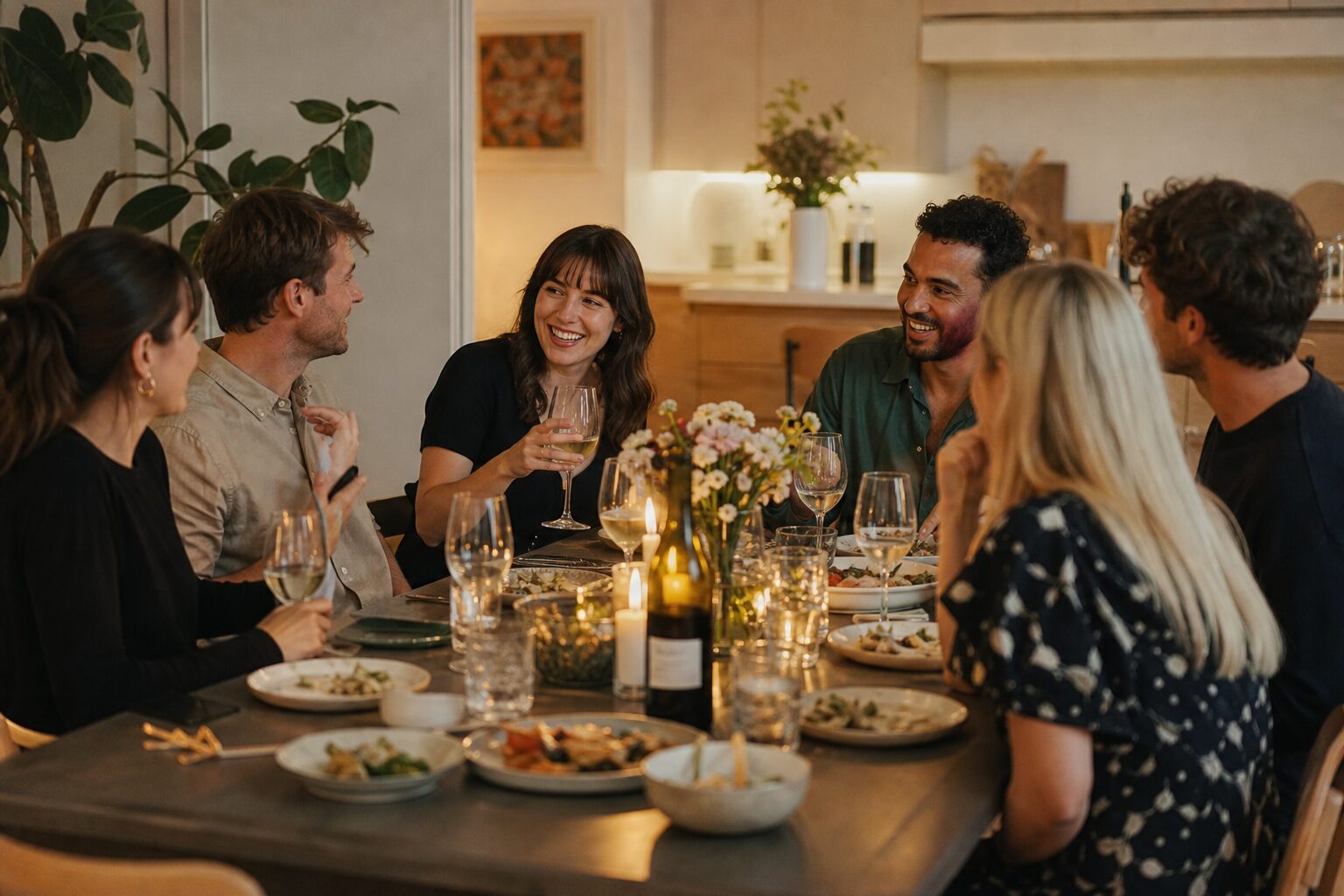

Why are dinner parties becoming popular again? For many UK consumers and businesses, the answer sits at the crossroads of value, connection and experience. After years of disrupted routines, rising costs and digital overload, people are rediscovering the pleasure of gathering around a table. For B2B audiences, this shift matters. It influences hospitality trends, retail buying, food and drink planning, workplace culture, brand partnerships and the way premium experiences are packaged.
Why are dinner parties becoming popular again? The business context
Dinner parties are not new, but their renewed appeal feels very current. Consumers are looking for social occasions that feel personal, flexible and meaningful. A dinner party offers all three. It can be modest or luxurious, formal or relaxed, planned weeks ahead or shaped around what is already in the fridge.
For businesses, the trend is important because it sits between home entertaining and hospitality. It affects how people spend on food, tableware, drinks, flowers, lighting, music, private dining and catering. It also reflects a wider preference for experiences over simple transactions.
In the UK market, the dinner party has become a practical alternative to more expensive nights out. Guests can enjoy good food and conversation without booking fees, transport pressures or crowded venues. Hosts can create an occasion that feels considered, without needing restaurant-level formality.
The appeal of meaningful social connection
One of the strongest reasons behind the return of dinner parties is the desire for better conversation. Many people are tired of rushed catch-ups, noisy venues and evenings dominated by phones. A shared meal gives people time to settle, talk and listen.
Dinner parties also suit smaller groups. That matters because many consumers now favour intimate gatherings over large, high-energy events. A group of six or eight can feel easier to manage, more affordable and more inclusive.
For employers and B2B brands, this preference is worth noting. It reflects a broader shift towards depth over scale. In corporate hospitality, client entertainment and internal team events, the best experiences often feel curated rather than crowded.
A slower style of entertaining
The dinner party encourages slower hosting. Guests arrive, drinks are poured, food is served in stages and the evening develops naturally. That rhythm is attractive because it contrasts with fast digital communication and busy working weeks.
This slower style also creates opportunities for businesses. Food producers, drinks brands, florists, designers and caterers can all support the mood of the occasion. The focus is not only on the meal, but on the atmosphere around it.
A sense of control and comfort
Home-based entertaining gives hosts more control over cost, setting, timing and guest list. This is especially appealing when budgets are under pressure. People can choose where to invest, whether that is a better bottle of wine, seasonal ingredients or simple but elegant table styling.
Comfort matters too. A private setting can feel more relaxed than a packed restaurant. Guests may stay longer, talk more openly and enjoy a less transactional experience.
How cost-conscious consumers are reshaping the trend
Economic pressure has not reduced the desire to socialise. Instead, it has changed the format. Dinner parties allow people to trade down in some areas and trade up in others. A host might cook a simple main course but buy premium cheese, good bread or carefully chosen drinks.
This mixed approach is relevant across many sectors. Rather than assuming consumers are only cutting back, businesses can look at where they still want quality. Dinner parties often encourage selective spending.
Common areas of spend include:
- Seasonal ingredients that feel fresh, local and good value
- Sharing dishes, grazing boards and simple desserts that serve groups easily
- Wine, low-alcohol drinks and premium soft drinks suited to mixed preferences
- Candles, linens, glassware and table decorations that can be reused
- Prepared elements, such as sauces, sides or bakery items, that reduce effort
For foodservice and retail suppliers, convenience is part of the opportunity. Hosts often want to look capable without spending the whole evening in the kitchen. Products that save time while still feeling authentic fit this mood well.
What this means for hospitality, retail and brands
The popularity of dinner parties does not necessarily compete with hospitality. Instead, it expands the idea of hospitality into the home. Restaurants, hotels, caterers and food brands can learn from what consumers are recreating privately: warmth, flexibility and a sense of occasion.
For hospitality businesses, private dining and supper-club-style formats can mirror the appeal of home entertaining. Smaller tables, set menus and relaxed service can feel more personal than a traditional large event.
Retailers can support customers by merchandising around occasions rather than only categories. A dinner party is not just “food”; it includes drinks, candles, napkins, music ideas and perhaps a small gift for the host. Clear, joined-up thinking makes planning easier.
Brands should also recognise the visual side of hosting. Dinner parties are often shared through photos, even when the mood is informal. Attractive packaging, colourful ingredients and well-designed serveware can all contribute to the experience.
The role of food culture and personal expression
Food has become a way for people to express taste, values and identity. A dinner party allows hosts to show care through what they serve and how they serve it. That does not mean everything must be elaborate. In fact, relaxed confidence is often more appealing than perfection.
Menus are becoming more adaptable. Hosts may need to consider vegetarians, vegans, allergies, religious dietary needs and guests who do not drink alcohol. This has encouraged more thoughtful planning and a wider range of products.
Informal formats are lowering the barrier
The modern dinner party is less rigid than its older image. It may involve sharing plates, one-pot cooking, takeaway dishes presented well, or a bring-a-dish approach. This informality makes hosting feel possible for more people.
For businesses, this creates space for products and services that support real life. Not every customer wants a formal three-course structure. Many want ideas that are stylish, manageable and forgiving.
The table as a brand experience
In B2B terms, the table has become a small but powerful stage. It brings together product, service, design and emotion. A beautifully plated dessert, a memorable non-alcoholic drink or a clever centrepiece can shape how an evening is remembered.
That is why dinner parties matter beyond domestic life. They reveal what people value in experiences: comfort, taste, atmosphere, generosity and ease.
Frequently Asked Questions
Why are dinner parties becoming popular again in the UK?
Dinner parties are returning because they offer sociable, affordable and personal experiences in a comfortable setting. They also suit people who want meaningful conversation without the pressure of busy venues.
Are dinner parties replacing restaurant visits?
Not entirely. Many people still enjoy restaurants, but dinner parties offer a different type of occasion. They are more private, flexible and often easier to manage around budgets and guest preferences.
What should B2B brands learn from this trend?
B2B brands should note the demand for curated, intimate and practical experiences. Products and services that help hosts create atmosphere, save time or add quality can feel highly relevant.
Which sectors benefit from the rise of dinner parties?
Food and drink, hospitality, homeware, floristry, catering, events and gifting can all benefit. The trend connects everyday consumption with special-occasion spending, which makes it commercially interesting.
Do dinner parties need to be formal to feel successful?
No. Modern dinner parties are often relaxed, simple and personal. Guests usually remember warmth, good conversation and thoughtful details more than strict etiquette or complicated menus.