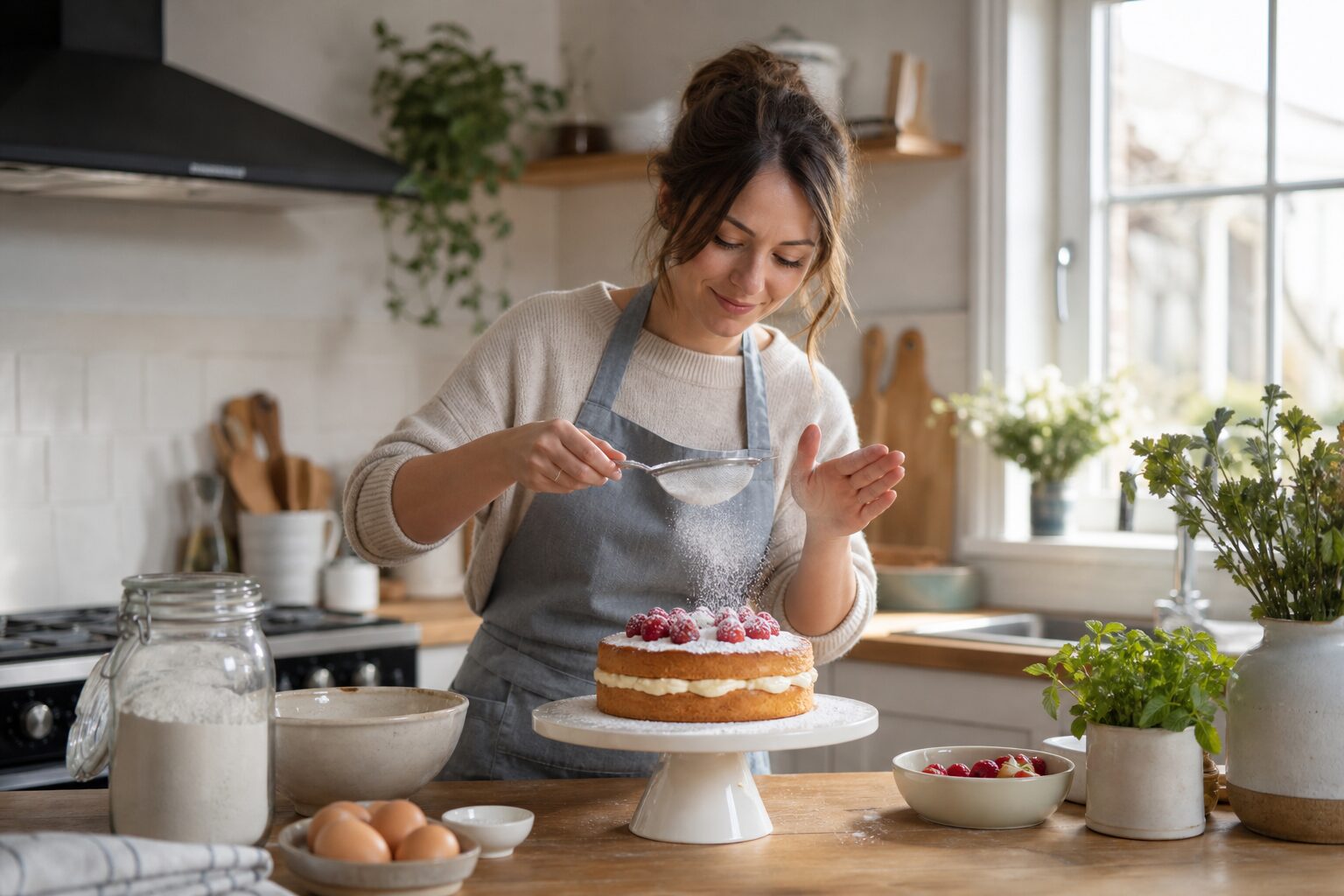

Across the UK, baking has moved from occasional kitchen task to calm weekend ritual. For employers, hospitality suppliers and food brands, the question “Why is baking becoming a relaxing weekend hobby?” is more than lifestyle curiosity. It points to changing working patterns, wellbeing priorities and consumer expectations. People are choosing flour, butter and slow methods because baking offers structure without office pressure, creativity without screens, and a satisfying result that can be shared on Monday.
Why is baking becoming a relaxing weekend hobby? The wider context
Weekend baking fits a mood many professionals recognise. The working week can be fragmented by messages, meetings and fast decisions. Baking asks for a different pace. Ingredients are weighed, dough rests, tins are lined, and the oven sets a clear end point. That sequence feels manageable when life feels noisy.
From a B2B angle, this matters because leisure habits influence purchasing, menu design and workplace culture. Office teams bring in banana bread, cafés notice demand for nostalgic bakes, and retailers see interest in approachable equipment. Baking is not only about food; it is a practical form of decompression.
The wellbeing appeal of a measured process
Many hobbies promise relaxation, yet baking offers a rare blend of focus and comfort. It occupies the hands while leaving room for thought. Measuring, folding and decorating can be absorbing enough to interrupt work worries, but not so intense that the baker feels tested every minute.
Predictable steps reduce decision fatigue
After a week of commercial choices, predictable instructions are part of the attraction. A recipe narrows the field. The baker does not need to reinvent dinner, negotiate a project or respond to another urgent email. They simply follow a method, then adjust flavour or finish if they want personal expression.
Sensory work feels grounding
Baking is also physical. The smell of citrus zest, the resistance of dough and the warmth from the oven bring attention back to the room. In a service economy shaped by screens, that sensory shift is powerful. It gives weekend time a clear texture and separates home life from workplace habits.
Why businesses are paying attention
For food businesses, the rise of weekend baking changes how customers think about value. People who bake at home become more aware of ingredients, freshness and technique. They may compare a café slice with their own traybake, not to criticise, but to understand what makes a professional product worth buying.
This creates opportunities and pressures across supply chains. Bakery suppliers, wholesalers and workplace caterers can expect interest in reliable basics, better flour, flavourings, chocolate and decorative items. At the same time, customers still want convenience. They enjoy making a loaf on Saturday, yet appreciate a well-made pastry during a busy commute.
Workplace culture and shared food
Baking has a social afterlife. Cakes brought into offices can soften a Monday, mark birthdays, or give hybrid teams a reason to gather. For employers, shared food should not replace serious wellbeing support, but it can contribute to belonging when handled inclusively and with attention to allergies, dietary needs and cultural preferences.
The commercial themes behind the hobby
Several market themes sit behind the popularity of baking as a weekend pastime. None is new on its own, but together they explain why the habit feels timely for professionals and consumers alike.
- Affordable experimentation: A basic sponge, crumble or soda bread needs modest equipment and leaves room for premium extras, from good cocoa to seasonal fruit.
- Skill building: Bakers can see progress quickly, which suits consumers who want an achievable hobby rather than another demanding commitment.
- Giftable output: Biscuits, cupcakes and loaves are easy to share, making the hobby relevant to offices, client hospitality and community events.
- Content appeal: Finished bakes photograph well, yet the activity still feels more grounded than purely digital entertainment.
These themes are useful for editors, buyers and product teams because they connect emotional need with practical demand. A relaxing hobby still requires ingredients, storage, packaging, recipe clarity and dependable availability.
What makes weekend baking feel different from weekday cooking
Weekday cooking is often functional. It answers hunger within a limited evening. Weekend baking, by contrast, can be chosen rather than squeezed in. That choice changes the mood. Waiting for dough to rise feels indulgent on a Sunday morning, while the same wait might feel impossible on a Tuesday night.
There is also a meaningful difference between feeding and making. Baking produces something with a shape, a scent and often a story. A family recipe, a new technique or a seasonal ingredient can turn a simple bake into an anchor for the weekend.
Frequently Asked Questions
Why is baking becoming a relaxing weekend hobby for professionals?
Professionals often want a calm contrast to busy, screen-led work. Baking provides clear steps, gentle concentration and a rewarding finish, making weekend time feel purposeful without becoming another performance task.
Is weekend baking relevant to B2B food companies?
Yes. Home baking shapes expectations around freshness, flavour and ingredient quality. It can influence what cafés, caterers, retailers and suppliers stock, especially when customers want both inspiration and convenient professional options.
Does baking support workplace wellbeing?
It can support informal connection when shared thoughtfully, although it is not a substitute for proper wellbeing policies. Inclusive planning around allergens, dietary choices and access is essential in any workplace setting.
What equipment do new weekend bakers usually value?
Simple, dependable tools matter most: scales, mixing bowls, a loaf tin, baking parchment and a cooling rack. Many beginners prefer versatile items before investing in specialist tins or decorative equipment.
Can baking remain popular as working patterns change?
Yes, because its appeal is not tied to one schedule. Whether people work remotely, commute daily or follow hybrid routines, baking can mark protected personal time. It also adapts well to shorter sessions, batch preparation and seasonal occasions, which helps the hobby stay relevant without demanding every weekend or requiring advanced skills from people who simply want enjoyable downtime at home after work pressures.