An unused part of your garden can become a calm place to read, rest and enjoy fresh air. A garden relaxation area does not need much space. A sheltered patio, balcony, courtyard, lawn edge or spot beneath a tree may be enough.
Start with the way you plan to use the space. Reading calls for a supportive seat, steady light and a firm surface for books, drinks and glasses. One chair, a small table and a few plants can create a useful outdoor reading space without major landscaping work.
Privacy, shade and shelter will shape your quiet garden corner. In the UK, flexible covers, wind protection and weather-resistant furniture can help you use the area through changing conditions. Choose cushions that are easy to store when rain is expected.
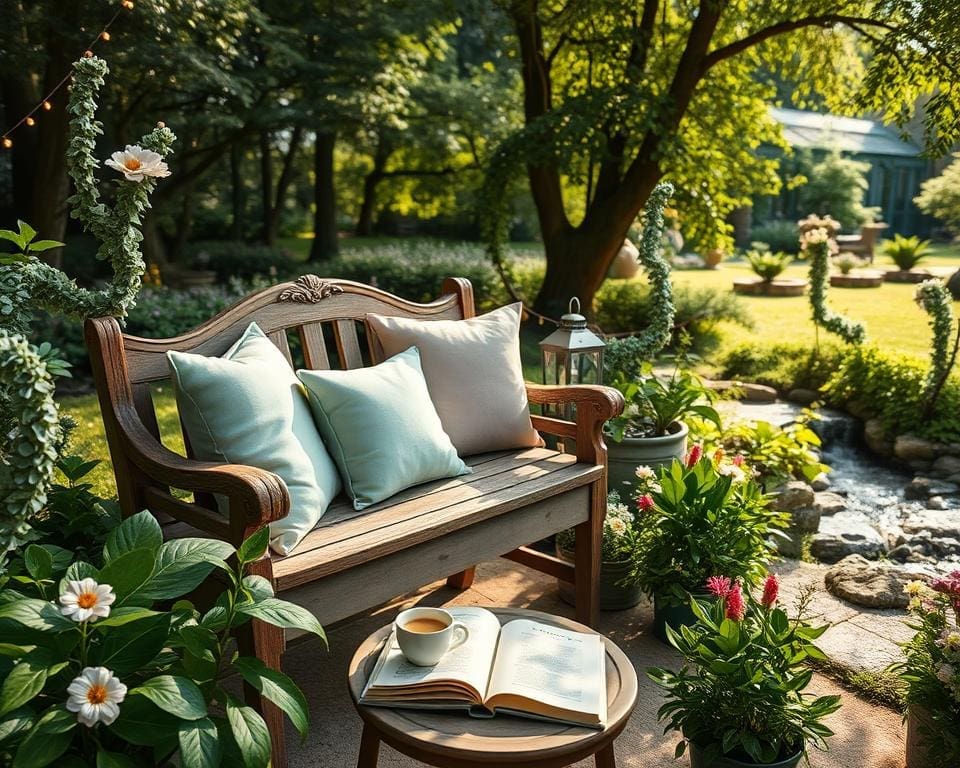
With a few thoughtful choices, your garden can feel like a peaceful garden retreat. Use these relaxing garden ideas to build a garden reading nook that works as a practical extension of your home. For further inspiration, explore this guide to a cosy reading nook beneath the trees.
Plan your garden relaxation area for peace and privacy
Start by watching your garden at different times of day. Note where sunlight falls in the morning and afternoon, and check which areas catch the prevailing wind. Listen for road traffic, nearby conversations and garden noise. Views from neighbouring properties can guide the best position for your private garden seating area.
Choose a spot that feels apart from daily activity. Keep your chair away from children’s play areas, washing lines, sheds, bins and busy paths. A partly enclosed position can make a peaceful outdoor space feel calmer without taking up much room.
Look at the garden from the intended seating position. Face towards attractive planting, a mature tree or an open view. Avoid directing the chair towards bins, sheds or bare fencing. These simple sightline changes can give a small garden retreat a more restful feel.
Use existing features to reduce work and cost. A boundary hedge, garden wall, covered patio or mature tree may already provide shade and shelter. Add trellis panels, timber screens, fencing, a pergola, pleached trees or hedging where views remain exposed.
Good garden screening should block unwanted views without making the space feel dark or confined. Tall plants in containers can soften hard edges in a compact garden. Choose species that suit the light, soil and available space, so they remain easy to manage.
Sound affects privacy as much as sight. Dense planting, hedges and vertical screens can soften noise from roads or neighbouring gardens. A small water feature may create gentle background sound. Keep pumps and moving water far enough from the chair to avoid a constant hum.
Keep the route to the house practical. A position near a back door makes it easier to carry books, hot drinks, blankets and cushions outside. You are more likely to use a secluded garden corner when it does not require a long walk across wet grass.
Check the ground before arranging furniture. The surface should be level, stable and suited to paving, decking, gravel, lawn or outdoor tiles. Loose gravel may need a firm base beneath the chair to prevent rocking. Clear paths, steps and doorways, and add suitable lighting for early mornings and evenings.
Use these garden privacy ideas with safety in mind. Screens and plants should protect your view without blocking access or reducing visibility near doors. A well-placed boundary, clear route and comfortable outlook will help your seating area feel private, useful and welcoming.
Choose comfortable seating and practical garden furniture
Your chair is the most important item in a reading corner. Choose a seat that supports your lower back, keeps your posture upright and lets both feet rest firmly on the ground. A comfortable garden chair should feel inviting without making it hard to stand.
Think about how you will use the space. A deep lounge chair suits long rests, while an upright armchair offers better support for reading. A reclining chair, wooden Adirondack chair, rattan armchair or compact bistro chair can work well. Add a suitable cushion to improve comfort and support.
Select a supportive chair for reading outdoors
Try the chair before you buy it, where possible. Check the seat height, depth, armrest position and back angle. Very low or deep seating may feel soft at first, yet it can make reading upright and standing more difficult.
Breathable materials suit the UK climate. Powder-coated metal, treated timber, synthetic rattan and strong outdoor fabrics can provide reliable weather-resistant garden seating. Follow the maker’s care instructions to protect each material from damp, frost and fading.
Reclining features can suit longer periods of rest. Choose a design that stays stable on its surface and has a mechanism you can operate with ease. A suitable outdoor reading chair should support your body without demanding constant adjustment.
Add cushions, throws and a small side table
Cushions can soften firm seats and improve lumbar support. Select covers made for outdoor use, then store them in a dry place during wet weather. A washable throw adds warmth on cool evenings and helps create a more relaxed setting.
A small side table keeps books, glasses and a drink within reach. Choose a stable surface with enough space for daily essentials. This simple combination forms useful garden furniture for relaxation without crowding the corner.
Position your seating for comfort and convenience
Measure the available space before choosing your chair. Leave room to walk around it, open a reclining mechanism and place a footstool or side table. Good planning helps your outdoor lounge area feel open rather than cramped.
Consider the chair’s weight and storage needs. A lightweight design is easier to move into shelter, while a heavier chair may remain steady in an exposed garden. Place it on a level surface, away from standing water, and pair it with other pieces of ergonomic garden furniture for balanced support.
Create soft shade and shelter for year-round relaxation
Strong midday sun can create glare on book pages and make your chair feel too hot. Wind and light rain can quickly spoil a quiet break. Good garden shade ideas should soften bright light, reduce draughts and keep your reading space comfortable.
Choose shade to suit your garden’s size, exposure and storage space. A cantilever parasol can move over a chair without a central pole. A traditional parasol suits a small table. Retractable awnings, shade sails, gazebos and adjustable canopies offer wider cover. You can explore different sun umbrella options before choosing a design.
- Use a garden parasol where you need flexible, movable shade.
- Choose a retractable awning beside the house for easy daily use.
- Select a garden canopy or gazebo when light rain is a regular concern.
- Use a shade sail in an open area with strong, secure fixing points.
Aim for filtered light rather than a dark corner. Natural shade from a tree can feel cool and calm, yet inspect it for weak branches, bird mess and seasonal changes. Deciduous trees can block summer heat while allowing winter light to reach the house.
A pergola can define sheltered garden seating and support honeysuckle, clematis, climbing roses or grape vines. A sturdy trellis can provide a similar screen on a smaller scale. Leave room for plant growth, and fix every post or panel securely before the climbers become heavy.
Exposed UK gardens need protection from sudden gusts. Screens, hedges, walls and carefully placed planting can reduce draughts without stopping fresh air. For a pergola for garden reading area, check that the roof and posts are anchored to a sound surface.
A waterproof canopy can keep a chair usable during a light shower. Bring cushions, throws and books indoors unless they are made for permanent outdoor exposure. Anchor parasols, gazebos and shade sails to the manufacturer’s instructions. Take down temporary structures during strong winds.
Soft evening light can extend your reading time. Try low-level solar lanterns, wall lights or rechargeable lamps with a warm glow. Keep cables safely routed, and use fittings designed for outdoor conditions. Regular care supports an all-season garden retreat: clean canopy fabric, inspect fixings, clear fallen leaves and check timber, metal and fabric for weather damage each spring.
Use calming plants and sensory details to complete your reading corner
Thoughtful planting can make your reading area feel private, attractive and close to nature. Combine low herbs, medium shrubs and taller flowers to create a layered view from your chair. Lavender, rosemary, geraniums and foxgloves bring scent, colour and height, while roses, thyme, mint, sweet peas, honeysuckle and jasmine can create a fragrant garden corner. Keep mint in a pot, as it spreads quickly.
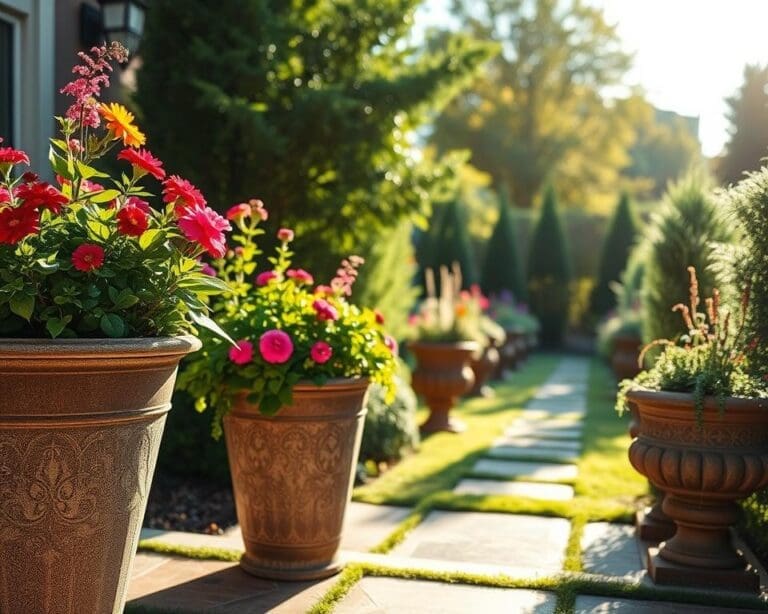
Choose plants for a relaxing garden that suit your soil, light, moisture levels and local hardiness. Verbena, salvia, lavender and native wildflowers provide food for bees and other useful insects. Evergreen rosemary, pittosporum, holly, hebes or suitable grasses can offer structure and privacy through winter. If space is limited, container plants for seating areas can frame the chair and soften paving. Use pots with drainage holes, raise them slightly, and choose compost and watering routines that suit each plant.
Extend your sensory garden ideas beyond flowers. Natural timber, stone, woven fabrics and weathered metal add pleasing textures, while a small pond or fountain can soften traffic noise. Use natural stones around water and add aquatic plants such as water lilies or lotus where conditions allow. Wind chimes, lanterns, fairy lights and solar lights bring gentle sound and layered light. Candles scented with lavender or rosemary, along with outdoor cushions and throws, add warmth and comfort. More guidance on creating a relaxing outdoor space can help you combine these details with care.
A restrained palette of soft greens, silvery leaves, white flowers, pale blues and muted pinks often feels most peaceful. Avoid placing thorny plants, heavy pollen producers or irritating sap beside the chair, and keep poisonous varieties away from children and pets. Remove dead leaves, control overgrowth and keep paths clear. With regular watering, pruning, organic fertiliser and natural pest control, your peaceful garden planting can support a private position, comfortable seating, soft shade, useful lighting and a calm place to read.