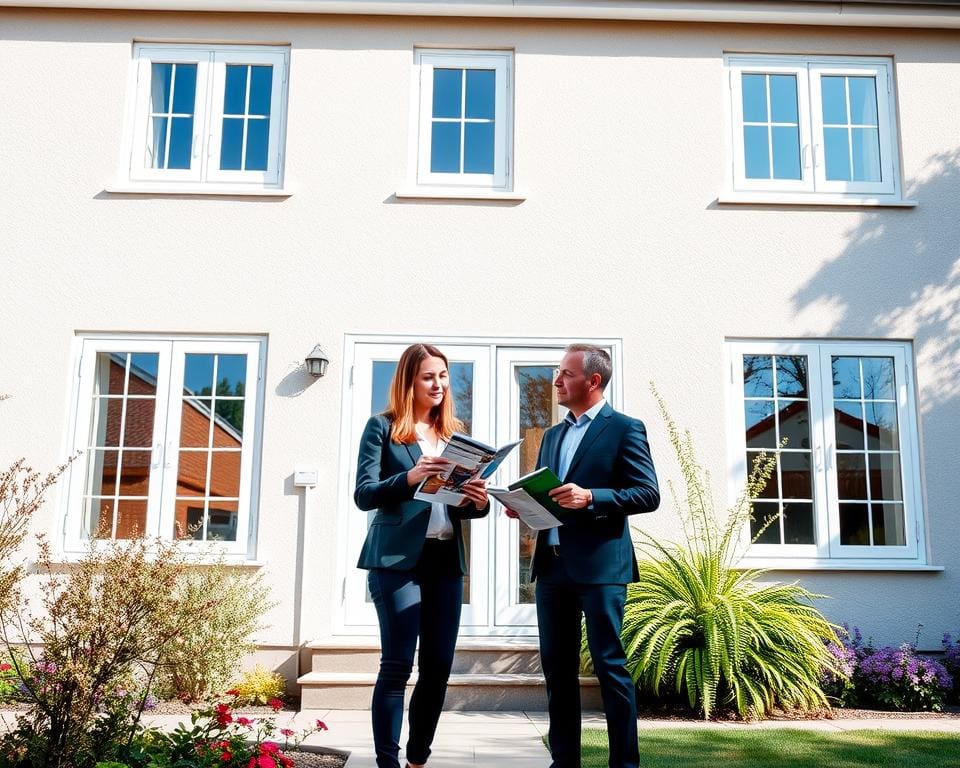

When you start a window renovation, the first question is simple: which replacement windows will best suit your home? Choosing replacement windows means balancing energy performance, noise reduction, security, longevity and style. This opening section explains what replacement windows are in a UK renovation context and what you should check before you talk to suppliers.
In the UK, replacement windows typically take two forms. Full-frame replacement removes the existing frame and sill and fits a new unit. Retrofit, or infill replacement, installs a new window into the existing frame to save cost and disturbance. Homeowners seek replacement for many reasons: draughts, persistent condensation, rising heating bills, an outdated appearance, plans to sell, or concerns about security.
Picking the right new windows for home renovation brings clear benefits. Better thermal performance lowers energy bills and reduces cold spots. Improved glazing and seals cut external noise and boost comfort. Modern locking systems raise security, while well-chosen styles enhance kerb appeal and can increase property value.
You will see technical labels later in this window buying guide UK, such as U-values, Window Energy Rating (WER), and the requirements of Building Regulations Part L (conservation of fuel and power). Some properties may also need planning permission or listed-building consent; these points are covered in depth in later sections.
Before contacting installers, gather basic facts to get accurate quotes. Note your property age and architectural style, which rooms face which directions, how you use each room, and whether you have current window measurements or will need a professional survey. Decide on a rough budget range so suppliers can offer suitable options for choosing replacement windows that meet your needs.
Understanding your renovation goals and window performance
Start by listing what matters most for your home. Think about energy bills, external noise, and how your new frames will look. Prioritising helps you choose between energy efficiency windows, acoustic windows or a design-led option without overspending.
Identify your priorities: energy efficiency, noise reduction, or aesthetics
If your house fronts a busy road, sound reduction should outrank minor aesthetic choices. If you struggle with high fuel bills, put thermal performance and airtightness first. If appearance is key, you can still find options that balance looks with sensible technical values.
Expect trade-offs. High-performance glass and premium frames cost more up front but usually cut running costs and raise comfort. Ask suppliers for exemplar products and real-life comparisons so you can weigh initial spend against long-term savings.
Assess thermal performance: U-value and energy ratings explained
Understand U-value as the rate of heat loss through a window; lower numbers are better. Whole-window performance is what counts, not glazing alone, because frames affect heat transfer too.
Look for the WER label when shopping. WER classifies whole-window efficiency similar to appliance ratings and makes choices easier. Typical modern double glazing in the UK sits around 1.2–1.6 W/m²K, while some triple glazing drops to 0.8–1.2 W/m²K.
Low-emissivity coatings and warm edge spacer bars are common ways to reduce heat loss. Ask how a product’s listed U-value was measured and whether the frame, glass and installation details match that figure in practice.
Consider acoustic performance for busy streets or urban settings
Acoustic performance is measured using indices such as Rw, the weighted sound reduction index. Higher Rw numbers mean better sound insulation. Look for laboratory-tested figures from reputable labs when noise is a concern.
Practical ways to improve noise reduction include thicker inner panes, differing pane thicknesses, larger air gaps up to an effective point and laminated or acoustic interlayers. These changes can make a real difference if you live in a loud area.
Ask suppliers whether their quoted acoustic windows have third-party test results and what sound levels you can realistically expect to drop inside your rooms.
Longevity and maintenance: what to expect from different materials
Different frame materials need different care. uPVC tends to be low maintenance and typically lasts 20–35 years. Timber needs regular painting or staining but can last 30–60+ years with good upkeep. Aluminium is durable and low maintenance, often lasting 30–50 years. Composite frames aim to combine timber looks with reduced window maintenance and long life.
Check finish quality, hardware corrosion resistance such as stainless steel or galvanised fixings, and whether seals and hinges are serviceable. Warranties vary; they may cover glass, seals, frames or hardware but often include exclusions. Read the small print so you know what support you get over time.
replacement windows: materials, styles and what suits your home
Choosing replacement window materials means balancing look, lifespan and performance. Start by noting your home’s period, exposure to weather and how much upkeep you want to carry out. Small decisions now save energy bills and future repair costs.
Compare common materials: uPVC, timber, aluminium and composite
uPVC stands out for low maintenance and value. It resists rot and keeps a stable finish for years, which is why many homeowners compare uPVC vs timber windows when budgeting. Timber offers authentic character for period homes and natural insulation, but requires regular painting and seal checks. Species such as Accoya and oak extend lifespan where you need authenticity.
Aluminium windows provide slim sightlines and strength, ideal where large panes suit the design. Good thermal performance relies on thermal breaks, yet aluminium windows are very durable with powder-coated finishes. Composite frames combine timber-look interiors with uPVC or aluminium exteriors to give you the feel of wood without the same upkeep.
Match window styles to architectural period and interior design
Choose styles that respect the home’s era. Sash windows work well for Georgian and Victorian houses because they keep original proportions. Casement frames feel at home on modern and suburban properties. For contemporary projects, aluminium-framed picture windows give a minimalist view and clean lines.
If your property sits in a conservation area, preserve proportions and detailing. Use sympathetic colours, glazing bars or astragal bars to maintain authenticity while improving thermal performance. You can keep character and gain modern comfort with careful choices.
Glazing options: double, triple and specialist coatings
Double glazing is the standard pick for good value and energy savings. Typical cavity widths sit between 12–20mm and deliver solid thermal and acoustic benefits. For colder or noisy sites, consider triple glazing; it improves U-values and sound reduction but adds weight and cost.
Specialist coatings such as Low-E and solar-control glass manage heat and glare in south-facing rooms. Gas fills like argon or krypton, warm edge spacers and laminated or toughened layers boost insulation and safety. Read about practical uPVC double glazing benefits at uPVC double glazing advice.
Security features and hardware choices for peace of mind
Security begins with frame strength and continues with quality fittings. Multipoint locking, hinge-side security plates and laminated glass reduce the risk of forced entry. Look for British Standard fittings and PAS 24 or Secured by Design endorsements where possible.
For sliding and sash windows, anti-lift devices and reliable brands such as Yale and Fuhr make a difference. Fit secure window locks and reinforced fixings to meet insurance needs and keep your family safe.
Budget, regulations and practical installation considerations
Before you sign any contract, set a clear budget that covers supply and fitting, removal and disposal of old windows, and redecoration. For the UK market, expect economy uPVC casement replacements from a few hundred pounds per window. Quality bespoke timber or aluminium units commonly range from several hundred to over a thousand pounds each. Triple glazing and specialist coatings add to the window replacement cost.
Allow contingency for scaffold hire, sill repairs and unexpected structural work. Obtain at least three written quotes and compare like-for-like specifications: frame material, glass specification, U-values and warranties. A site visit quote will vary with size, style, finish and installation complexity.
When it comes to permissions, most like-for-like swaps within the same opening do not need planning permission windows UK. You must check exceptions such as conservation areas, changes to external appearance, or properties subject to Article 4 directions.
If your property is listed you will need listed building consent for changes affecting character. Consult your local authority conservation officer early to avoid delays. Some works that alter openings or replace traditional frames may be refused where original features are important.
Building regulations include Part L, which sets minimum thermal performance standards for replacement glazing and frames. Ask your installer for compliance documentation and product U-values. Part M may apply where windows affect escape routes or accessibility, so ensure installers understand these requirements.
Energy-saving support can reduce outlay. Check if you qualify for local authority grants, the ECO scheme or interest-free loans available in some areas. Programmes change over time, so verify current options on GOV.UK and your council site. Some energy-saving materials may attract reduced VAT in specific cases; confirm with HMRC guidance.
Decide between full replacement and retrofit depending on condition and goals. Full replacement removes the entire frame, ideal for rotten timbers, altered opening sizes or when you want new reveals and sills. It is more disruptive and increases your window replacement cost.
Retrofit windows fit into the existing frame and suit sound, well-aligned openings. Retrofits are quicker and cheaper but can reduce visible glass area and alter sightlines. For period homes where original frames define character, retrofitting may not be appropriate.
Choose full replacement if you have structural damage, poor alignment or want to change appearance. If the existing frame is sound and you prioritise speed and lower cost, consider retrofit windows. Balance long-term performance, compliance with building regulations Part L and any available energy grants UK when you decide.
How to select a reputable supplier and installer
When you search for window installers UK, start by checking industry accreditation. Look for FENSA registration to confirm Building Regulations compliance, TrustMark endorsement as a government-backed quality scheme and membership of the Glass and Glazing Federation (GGF). These credentials show a reputable window supplier takes standards seriously and may also indicate adherence to PAS 24 security specifications.
Ask for proof of insurance, written guarantees and details of the window installation warranty. Clarify whether warranties cover frames, glass and labour and if they come directly from the manufacturer or via the installer. Request references, before-and-after photos and independent reviews on Trustpilot or Which? Trusted Traders, and be wary of quotes that undercut the market without explanation.
A reliable company will offer a thorough on-site survey with precise measurements and an itemised quote listing materials, glazing specification, hardware, lead times and installation inclusions such as scaffold or waste removal. Discuss the installation timeline, how your interiors will be protected, who handles finishing like plastering, and what access or furniture moves you should expect.
Insist on a clear contract before work begins that sets out scope, payment schedule, timelines and remedies for delays, and confirms who submits any required FENSA certification or Building Regulations notifications. Avoid firms asking for full payment upfront or those without verifiable addresses and insurance. Balance cost against credentials and warranties: good installation affects thermal performance, PAS 24-level security and long-term appearance, and you should receive all compliance certificates and manufacturer warranties in writing after completion.