
This guide shows practical, evidence-based ways to increase home value in the UK market. You will get clear advice on how to increase property value, from high-impact renovations to quick, cost-effective tweaks that boost house value before you sell.
Written for homeowners, landlords and DIY-savvy occupants, the article explains which projects deliver the best home improvement ROI and how to prioritise spending. It also covers planning, building regulations and energy performance considerations that matter to British buyers.
Recommendations draw on sources such as Nationwide and Halifax price data, RICS guidance and market reports from Savills and Knight Frank, so you can make informed choices that reflect local market norms.
Follow the sections that come next for detailed steps on high-impact renovations, essential maintenance and curb appeal, small upgrades with big returns, and market-savvy strategies to help you secure a stronger offer. For a practical starting checklist and further reading, see this walkthrough on maximising your property’s value before selling: maximising your property’s value.
increase home value with high-impact renovations
When you plan major works aim for projects that surveyors and estate agents flag as value-adding. Target improvements that give clear visual impact and practical benefits. That approach helps you balance cost with likely returns and makes your property more attractive to prospective buyers.
Kitchen refurbishments that offer strong returns
Kitchens often tip a sale in your favour. You can boost kitchen renovation ROI by updating cupboards, worktops and flooring without changing the layout. Choose reliable appliances from brands such as Bosch or Beko to combine quality with sensible cost.
Use neutral finishes and good lighting so the space feels modern and usable. Integrated ovens and energy-efficient dishwashers reduce running costs and increase buyer appeal.
Bathroom upgrades to modernise and add appeal
Buyers favour clean, contemporary bathrooms. Focus on bathroom remodelling value by replacing worn baths with glass shower enclosures where space permits. Fit quality sanitaryware from Duravit or Ideal Standard and chrome fittings for a polished look.
Improve ventilation with mechanical extract fans to prevent damp and use large-format tiles to make compact rooms feel larger. Adding a ground-floor WC or shower room can also raise practical appeal in family homes.
Open-plan living and structural changes to improve flow
An open-plan conversion UK can transform how a home feels by increasing natural light and perceived space. Removing non-load-bearing partitions is straightforward. Removing load-bearing walls needs a structural engineer, steel specification and Building Regulations approval.
Create clear zones so the space remains functional. A through kitchen and dining area often offers better returns than a full extension, provided circulation and storage are well thought through.
Energy-efficient improvements that attract buyers
If you want to improve energy efficiency focus on measures that improve the EPC improvement and reduce bills. Loft insulation and upgraded glazing are cost-effective steps that buyers notice.
Consider cavity wall insulation where appropriate, replace old boilers with A-rated condensing models or heat pumps, and repair or fit double glazing to improve comfort. Keep records and use accredited installers so you can evidence improvements to prospective buyers.
Essential maintenance and curb appeal improvements
First impressions shape buyer decisions. Simple exterior care tells prospective purchasers your home has been maintained and can be a cost-effective way to increase offers. Small works often deliver a strong return when combined with targeted upgrades that enhance curb appeal UK.
Exterior maintenance: roof, gutters and paintwork
Start with the roof. Repair or replace broken slates and tiles, check flashing and chimney stacks, and clear gutters and downpipes so water runs away from the property. A dry, sound roof reduces survey issues and protects internal finishes.
Refresh external paintwork and timber. Repoint or clean brickwork where needed and use neutral colours that suit the local street scene. Replacing rotten window frames and servicing doors improves security and energy performance. These tasks raise roof repair value by preventing damp and structural problems.
Landscaping and front-garden enhancements
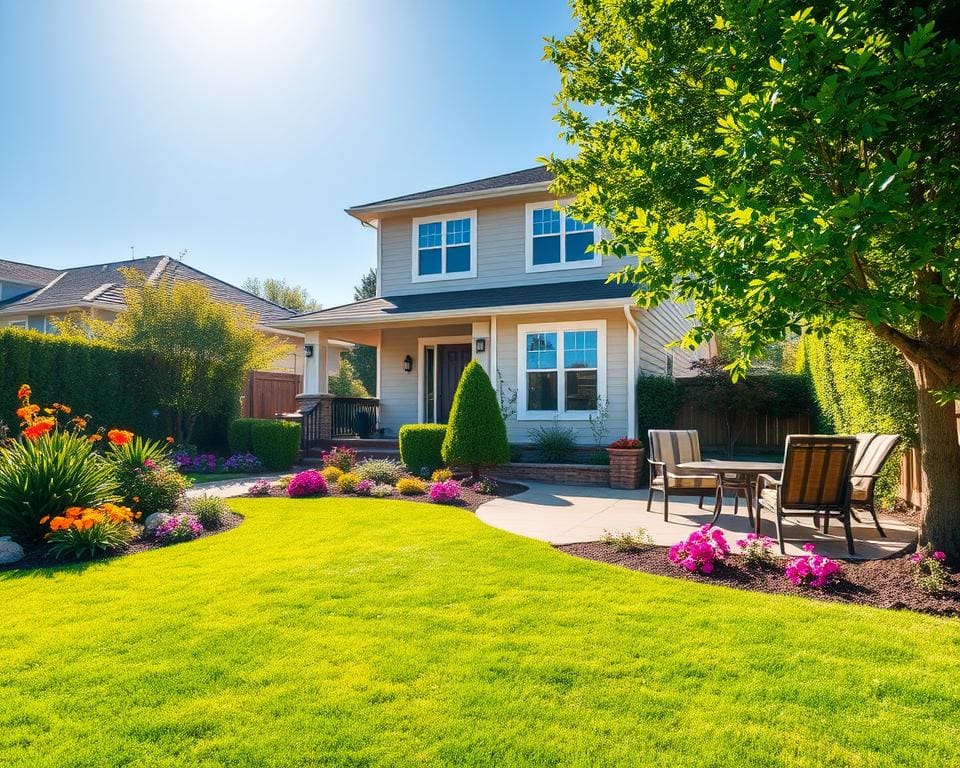
Tidy borders, trim hedges and keep lawns neat to make your listing photos work harder. A defined entrance path and clear sightlines create an inviting tone for viewings.
Use low-cost touches such as potted plants, a fresh layer of mulch or a new house number to lift presentation. Choose native, low-maintenance species that cope with the UK climate. Practical steps like improving drainage and managing tree roots help avoid negative survey notes and improve garden landscaping for sale.
Driveway, path and boundary improvements
Fix uneven paving, pressure-wash paths and repair potholes to ensure safe access. Consider resurfacing the driveway with resin-bound gravel, block paving or tarmac where appropriate and permitted. Such updates are visible proof of care and can tip offers in your favour.
Repair fences and secure gates to define boundaries clearly. Formalising off-street parking or marking spaces boosts appeal in urban areas. Thoughtful driveway improvements and routine exterior maintenance boost property value by combining practicality with better kerb appeal.
Cost-effective upgrades and small improvements
Small, budget-friendly projects can shift buyer perception and lift your asking price without major building work. Focus on interventions that are quick to complete, easy to document and simple to hand over to the new owner.
Smart home technology and security installations
Fitting devices such as Nest or Hive thermostats, Ring doorbells and Yale smart locks signals modern living and convenience to prospective buyers. These items tend to be low-cost to install and can travel with the sale, increasing the appeal of a smart home for sale.
Keep receipts, warranties and clear user guides to reassure buyers. Reset devices to factory settings and remove personal accounts to address privacy concerns and to comply with manufacturer guidance.
Lighting, fixtures and cosmetic refreshes
Repainting in neutral tones gives rooms an immediate lift. Replacing worn carpet with engineered wood or quality laminate modernises floors without a large outlay. Swapping door handles, skirtings and socket covers provides a tidy, cohesive finish.
A considered lighting plan that includes ambient, task and accent lights improves mood and perceived quality. Fitting LED downlights, under-cabinet kitchen lighting and up-to-date bathroom fittings can improve lighting upgrade value while cutting energy costs.
Storage solutions and loft or cellar conversions
Built-in wardrobes, fitted shelving and clever under-stair solutions maximise space and help potential buyers imagine an organised home. Practical storage solutions increase property value by delivering usable room without structural change.
A well-planned loft conversion UK can add a bedroom and bathroom, increasing habitable square footage and boosting resale value. Ensure insulation meets Part L, provide safe escape routes and obtain building regulation approval before marketing the work.
Where cellars are suitable, a conversion into an office or media room can add functional space. Prioritise waterproofing, ventilation and professional structural checks to avoid moisture or compliance issues.
Read more on simple upgrades that boost property
Market-savvy strategies to maximise sale price
To maximise sale price, start by presenting your home as a clear, inviting prospect. Use estate agent staging tips: declutter, depersonalise and borrow tasteful furnishings if needed so rooms read well online and in person. Invest in professional photography and accurate floorplans; strong visuals and honest layout information drive higher online enquiries and better first impressions.
Your pricing strategy property sale should be rooted in recent sold comparables within the last three to six months and a frank appraisal of condition and unique selling points. Set an asking price that attracts viewings without leaving money on the table. Choose an estate agent with proven local knowledge, a robust online presence and transparent fees, or use a fixed-fee agent only if you are confident in their local reach.
Prepare documentation early to smooth conveyancing and presentation. Gather title deeds, planning permissions, building regulation certificates for conversions, warranties for recent works and an up-to-date EPC. Be open about past repairs to build trust and reduce the risk of delays during surveys and conveyancing.
Finally, time your sale to local market rhythms where possible, use multiple viewings to create competitive interest and set clear negotiation limits before offers arrive. Keep records of receipts and guarantees for any works carried out; these practical details support buyer confidence and help with UK property sales optimisation at the point of completion.