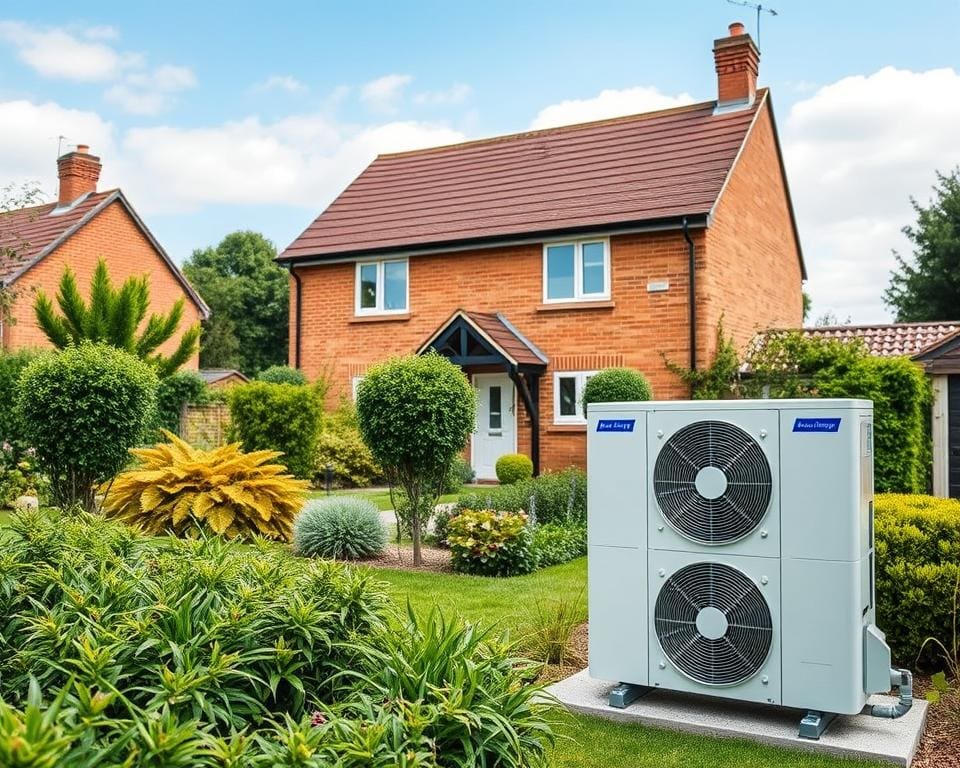

You may be asking why heat pumps are suddenly appearing in conversations about home heating and retrofit choices. At their core, a heat pump moves heat from the air, ground or water into your home rather than creating it by burning fuel. This distinction makes them very different from traditional boilers and electric resistive heaters and underpins many heat pump benefits.
In the UK the question of why heat pumps are gaining traction links to several clear drivers. Improved energy efficiency and lower running costs are central, alongside reduced carbon emissions. Government action — including the Future Homes Standard, measures to phase down new gas boiler installations in new builds and grant schemes — also steers homeowners and landlords towards low‑carbon options.
This article is written for homeowners, landlords, developers and tenants in the UK who want a practical, balanced view of heat pumps UK. You will learn how heat pump technology works and how efficiency is measured, the main reasons behind rising heat pump popularity, and the practical points to consider when choosing a system for your property.
The content that follows draws on trusted UK sources such as the Energy Saving Trust, UK Government guidance on incentives and regulation, and performance data from manufacturers like Mitsubishi Electric, Daikin, NIBE and Vaillant to give reliable, evidence‑based information you can act on.
Understanding how heat pump technology works
You will find heat pump basics straightforward once you see the refrigeration cycle in plain terms. A refrigerant circulates between an evaporator, compressor, condenser and expansion valve to move heat from a lower-temperature source to a higher-temperature sink. In heating mode the evaporator extracts heat from outside air, ground or water; the compressor raises refrigerant temperature and pressure; the condenser releases heat into your home’s heating circuit; the expansion valve reduces pressure so the cycle repeats.
Understanding how do heat pumps work helps you see why they do not create heat by combustion. They use electricity to move ambient environmental energy into your house, so one unit of electrical input can deliver multiple units of heat.
Basic principles of heat transfer and refrigeration cycles
Heat naturally flows from warm to cold. A heat pump exploits that tendency by using mechanical work to reverse or amplify natural heat flow. Practical examples show an air source heat pump commonly delivers about 2–4 kWh of heat per kWh of electricity under favourable conditions.
Types of heat pump systems: air source, ground source and hybrid
An air source heat pump extracts heat from outside air via an outdoor unit. You can choose air-to-water for central heating and hot water or air-to-air for space heating and cooling. These systems are cheaper to install and compact, but performance falls in very cold weather and the outdoor unit can be noisy.
A ground source heat pump uses buried pipe loops in horizontal trenches or vertical boreholes to tap stable ground temperatures. Ground source heat pump systems tend to be quieter, very efficient year-round and long lived. Upfront cost is higher and you will need garden space or drilling access.
Hybrid systems pair a heat pump with a gas or oil boiler, or electric immersion, and switch between sources for peak demand or low temperatures. They suit homes where a full heat pump replacement is not yet practical. Water-source and other niche systems are an option where a river, lake or borehole is available.
Manufacturers active in the UK market include Daikin, Mitsubishi Electric, Vaillant, NIBE and Worcester Bosch, each offering product families with air source and ground source options to consider during heat pump installation.
How efficiency is measured: COP, SCOP and seasonal performance
COP, or Coefficient of Performance, is the instantaneous ratio of heat output to electrical input at a given condition. You will see COP change with outdoor temperature and the flow temperature your system needs to deliver. SCOP, the Seasonal Coefficient of Performance, is a weighted average COP across a heating season and gives a clearer picture of annual performance.
Test standards such as EN14511 and UK labelling help you compare models. ASHP SCOPs commonly range from about 2.5–4.0 depending on system design and climate. Ground source systems often achieve SCOPs around 3.5–5.0 because ground temperatures stay steadier than air.
A higher SCOP means lower electricity use for the same heat output. Weather, insulation and system design have a large effect on realised running cost.
Installation considerations and space requirements
Siting and noise matter. Outdoor air source units need clearance and neighbour consideration. Manufacturers publish dBA levels and modern units are much quieter than older models, but planning guidance may apply in tight urban settings.
Check your heat pump space requirements before you commit. Indoor plant needs include a hot-water cylinder and a controller. Ground source systems require room for trenches or boreholes and access for drilling. Hybrid installations need careful interconnection with an existing boiler or a new cylinder.
Plumbing changes are common. Heat pumps work best at lower flow temperatures, so you may need larger radiators or underfloor heating to maintain comfort efficiently. Electrical supply can be single- or three-phase, so confirm whether your household supply must be upgraded.
Choose an MCS-certified installer for eligible grants and follow a bespoke heat-loss survey to size the system correctly. Correct commissioning is essential to achieve expected COP and SCOP figures and to make the most of your heat pump installation.
Reasons for rising popularity of heat pumps in the UK
Heat pumps are gaining traction because they deliver tangible heat pump benefits for many households. You can see clear heat pump savings when an air source heat pump (ASHP) produces around 3 kWh of heat for every 1 kWh of electricity. That ratio often beats electric resistive heating and can compete with gas once you factor in current and projected fuel prices, insulation levels and system sizing.
Smart controls, time-of-use tariffs and pairing with rooftop PV cut running costs further. If you shift heating to cheaper hours or use self-generated electricity, your net bills fall. Small changes in controls or radiator size can improve performance, so installers from Mitsubishi Electric, Daikin, Vaillant or NIBE often recommend simple tweaks to get the best heat pump savings for your home.
Reducing local pollution is an immediate environmental benefit. Heat pumps remove on-site combustion, so you lower NOx and particulate emissions compared with gas or oil boilers. Over time, operational carbon falls as the grid adopts more renewables, strengthening the case for low carbon heating across your home.
When lifecycle and operational carbon are considered, heat pumps generally emit far less CO2 than conventional boilers. Ground source heat pumps (GSHPs) often deliver the biggest reductions because of higher seasonal efficiency. These trends link directly to UK decarbonisation goals; as grid electricity cleans up, heat pump performance and climate benefits improve.
Public policy is nudging uptake with various incentives and rules. The Boiler Upgrade Scheme has provided grants for domestic installations where eligible, and building regulations increasingly favour low carbon heating in new builds. You should check GOV.UK for up-to-date government heat pump incentives because levels and criteria change over time.
Landlords and social housing providers face growing regulatory expectations on energy efficiency and carbon reporting. These drivers make heat pumps an attractive route to compliance and to long-term cost control for property owners focused on UK decarbonisation targets.
Technical advances have helped appeal to modern households. Improvements in compressors, inverter-driven systems and heat pump technology improvements reduce noise, boost modulation and raise efficiency at lower outside temperatures. That makes them more suitable for a wider range of homes.
Compatibility with low-temperature distribution methods, such as underfloor heating or larger radiators, increases practical fit. Compact models designed for retrofit suit limited-space urban properties. Integration with smart thermostats and home energy management systems helps you optimise comfort while cutting energy use.
Manufacturer-led innovation offers choice across budgets and house types. Products such as Mitsubishi Electric’s Ecodan, Daikin Altherma, Vaillant aroTHERM and NIBE units show how heat pump technology improvements are tailored to UK climates and housing stock. These options make it easier for you to find a system that balances performance, cost and the broader benefits of low carbon heating.
Practical considerations when choosing a heat pump
Begin with a professional heat-loss survey to get accurate heat pump sizing. You need the right capacity: an oversized unit will short-cycle and an undersized unit will struggle on cold days. Check your loft and wall insulation, glazing and draught-proofing first, because better fabric efficiency lowers running demand and improves performance.
Decide which type suits your home. Air source heat pumps are often the most cost-effective retrofit option where garden space is limited. Ground source systems cost more up front but can give lower running costs and quieter operation over time. Hybrid systems let you keep a gas boiler for peak days while using the pump for base-load heating.
Consider distribution and hot-water provision. Low-temperature emitters such as underfloor heating or larger radiators raise system efficiency, and many installations require a separate hot-water cylinder. Check the electrical supply, space for an outdoor unit and siting to avoid airflow blockages or excess sun, and compare warranty terms and installer experience. Use MCS-certified or TrustMark-registered installers, ask for itemised quotes and request expected seasonal performance and service details as part of your heat pump buying guide.
Weigh costs, grants and ongoing costs carefully. Typical ASHP installs are cheaper than GSHP, but local groundworks and access affect final price. Look into the Boiler Upgrade Scheme, VAT rules and local incentives and factor these into payback calculations. For practical help with selection, installation planning and the heat pump installation checklist, see this short resource on choosing the best unit for your space: choosing the best unit for your.