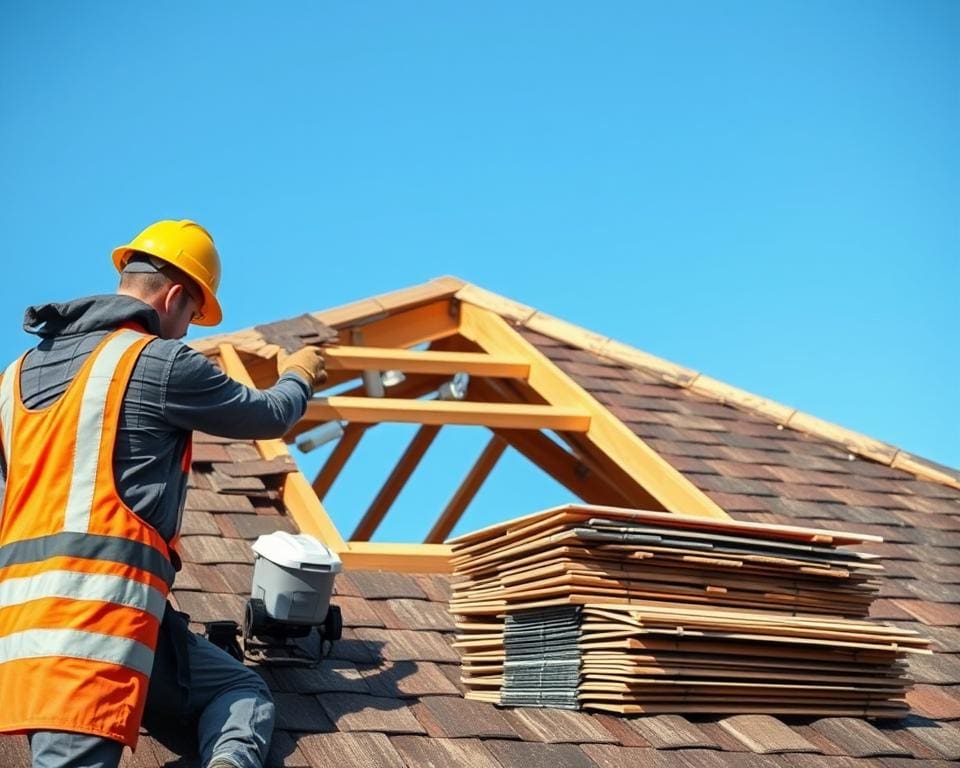

Your roof is the first line of defence for your home. Choosing to replace old roof covering is a decisive maintenance step that protects the building fabric, the people who live there and the long‑term value of your property.
Replacement is more than cosmetic. A full roof renewal UK addresses water ingress, failing insulation and timber decay that simple patching cannot fix. If you delay, small leaks can lead to damp, mould and rot of joists and rafters, and those problems quickly raise repair bills.
Think of a new roof as capital expenditure. The upfront cost can prevent repeated repairs, lower your heating bills through better insulation and improve kerb appeal when you sell. Knowing when to replace roof coverings helps you plan finances and avoid emergency works.
There are legal and insurance angles too. Insurers may dispute claims if damage results from neglect, and certain reroofs need building control approval or planning consent, especially where insulation, roof pitch or coverings change.
If your property is older, showing persistent signs of wear, or you are preparing to sell or renovate, consider replacing rather than continuing with temporary fixes. Arrange a professional inspection from a reputable roofing contractor or a surveyor from the Royal Institution of Chartered Surveyors or consult the National Federation of Roofing Contractors for a clear recommendation and a detailed quote.
When to consider roof replacement
Deciding whether to replace your roof can feel daunting. Start by checking age, visible wear and the history of repairs. A clear idea of your roof lifespan helps you choose the right time to act and avoid sudden failures.
You should weigh common roofing materials lifespan when planning. Different coverings reach the end of useful life at very different points.
Typical lifespan of common roofing materials
- Asphalt (fibreglass) shingles usually last 20–30 years. Premium brands such as IKO or CertainTeed can extend that range.
- Concrete and clay tiles: clay often exceed 50 years while concrete sits around 30–50 years depending on freeze–thaw exposure and moss growth.
- Natural Welsh or Cumbrian slate can last 75–150 years when fixed correctly and maintained.
- Metal roofs made from steel, aluminium or zinc commonly endure 40–70 years, with coatings from suppliers like Tata Steel prolonging life.
- Flat roof membranes such as EPDM or TPO last 15–30 years based on UV exposure and product quality.
- Thatched roofs vary: ridges may need renewal at 15–30 years while reed thatch can remain serviceable up to 60 years with care.
Signs of serious wear and damage to watch for
- Repeated or large patches of missing, cracked or curled tiles and shingles.
- Visible sagging or an uneven roofline that suggests compromised rafters or decking.
- Water stains on ceilings, peeling paint or blistering plaster and wallpaper inside your home.
- Increased mould, mildew or a musty loft smell.
- Granule loss from asphalt shingles collected in gutters or downpipes.
- Rusting metal elements, failed flashings or slipped leadwork and deteriorated valley linings.
- Daylight visible through roof boards when you inspect the loft.
How weather and UK climate affect roof longevity
The UK roof weather effects are real and varied. Frequent rain, wind and freeze–thaw cycles speed wear on mortar, tiles and flashings.
Coastal properties suffer salt-laden air that accelerates metal corrosion and mortar erosion. North-west areas see higher rainfall and exposed hills experience more wind uplift risk.
Moss and lichen thrive in humid zones and trap moisture against tiles, increasing decay. Routine cleaning and targeted biocide treatment help, but advanced decay may require replacement.
Assessing damage after storms or heavy rainfall
Start with a careful visual check from the ground for displaced tiles, lifted flashings, damaged gutters and soffits.
Inspect your loft for fresh water ingress, damp patches and drips once it is safe to do so. Photograph all damage for insurance purposes and to support a claim.
For a proper storm-damaged roof assessment you should engage a qualified roofer. Seek a member of the National Federation of Roofing Contractors or a reputable local accredited contractor to provide a written condition report and quote before work begins.
roof replacement: benefits for safety, efficiency and value
Replacing your roof delivers clear roof replacement benefits for safety, energy and resale prospects. You remove decayed timbers, damaged underlays and faulty flashings, which stops rot from spreading into rafters and trusses. That work lowers the chance of water damage to walls and electrics and gives you the chance to improve ventilation to cut condensation and mould.
Improving home safety and preventing structural problems
When your roof is renewed you can replace leadwork, renew gutters and install proper flashings to prevent water ingress. Careful inspection before work finds hidden rot or weakened joists so you can strengthen the structure during replacement. Upgrading materials can reduce fire risk where old bitumen layers or degraded thatch present hazards, and certified installers ensure compliance with British Standards and safe fitting of roof components.
Energy efficiency and lowering your heating costs
A roof replacement offers a chance to add insulation to meet current Building Regulations, cutting heat loss through the loft and rafters. Modern breathable underlays and insulated warm-roof systems improve U-values and help create an energy efficient roof that lowers heating bills and reduces your carbon footprint.
You can combine reflective or cool roofing finishes, green roofs or solar PV at the time of replacement to boost efficiency and energy security. Take a look at practical guidance before you start by visiting what to consider when replacing your.
Boosting kerb appeal and increasing property value
Choosing complementary tiles or slates and neat flashings lifts kerb appeal and can speed up sale of your home. Independent valuers show that a recently replaced roof with documentation can increase buyer confidence and may increase property value roof figures on listings. Landlords and mortgage assessors favour properties with reduced maintenance liability and clear evidence of recent works.
Modern materials and warranties that protect your investment
Modern roofing materials offer long service lives: asphalt shingles typically last 15–30 years, metal roofs can exceed 50 years and clay or slate often go beyond 100. Major manufacturers such as Velux, Marley and Wienerberger publish product guarantees and many accredited installers back workmanship with lengthy guarantees.
Check roofing warranties UK terms before you commit. Systems warranties that cover tiles, underlay and fixings keep your investment secure when you use accredited installers registered with recognised schemes. That approach helps preserve warranty validity and gives you clear recourse if issues arise.
How to plan and budget for a roof replacement
Begin with a professional roof inspection to produce a clear condition report. The survey should state whether you need a full strip and recover, a partial replace, structural repairs, insulation upgrades or flashing renewal. This report is the basis for any roof replacement quote and helps set a realistic roof replacement timeline.
Check planning requirements early. Most like-for-like re-roofing in the UK does not need planning permission, but listed buildings, changes to pitch or work in conservation areas can. Contact your local planning authority or conservation officer before committing to materials or lead times.
Factor in all cost components: materials (tiles, slates, metal), labour, scaffold hire, waste disposal, leadwork, insulation, ventilation and any structural timber repairs. A small semi-detached full reroof can range from several thousand pounds for basic materials to much more for natural slate or complex pitches. Obtain at least three written, itemised quotes and allow a contingency of 10–20% for unforeseen repairs to reflect likely roof replacement cost variations.
Choose contractors carefully. Check public liability insurance, membership of trade bodies such as the National Federation of Roof Contractors or TrustMark, and read customer reviews. Ask to see completed projects similar to yours and request itemised quotes that spell out start and finish dates, scaffold arrangements and waste removal. Clear terms on variations, payment schedules and warranties will protect you during roofing contractor selection.
Plan practicalities and timing. Expect scaffolding, noise and temporary loss of loft access; schedule works for drier months where possible, but competent teams can work year-round. Notify neighbours, arrange parking for trades and protect gardens and drives. For listed properties, allow extra lead time and cost for reclaimed slate or handmade tiles.
Consider funding and documentation. You can use savings, a home improvement loan or remortgaging; some local schemes offer grants for energy-efficiency upgrades. Keep invoices, warranties and the condition report for insurance and resale. Confirm with your buildings insurer if the work affects your premium or requires notification.
On completion, carry out a snagging inspection with the contractor against the specification. Ensure debris is removed, gutters cleared and the site restored. Obtain all warranty documents, product data sheets and a final invoice, and store photographs and paperwork in a home maintenance file to support future valuations or claims.