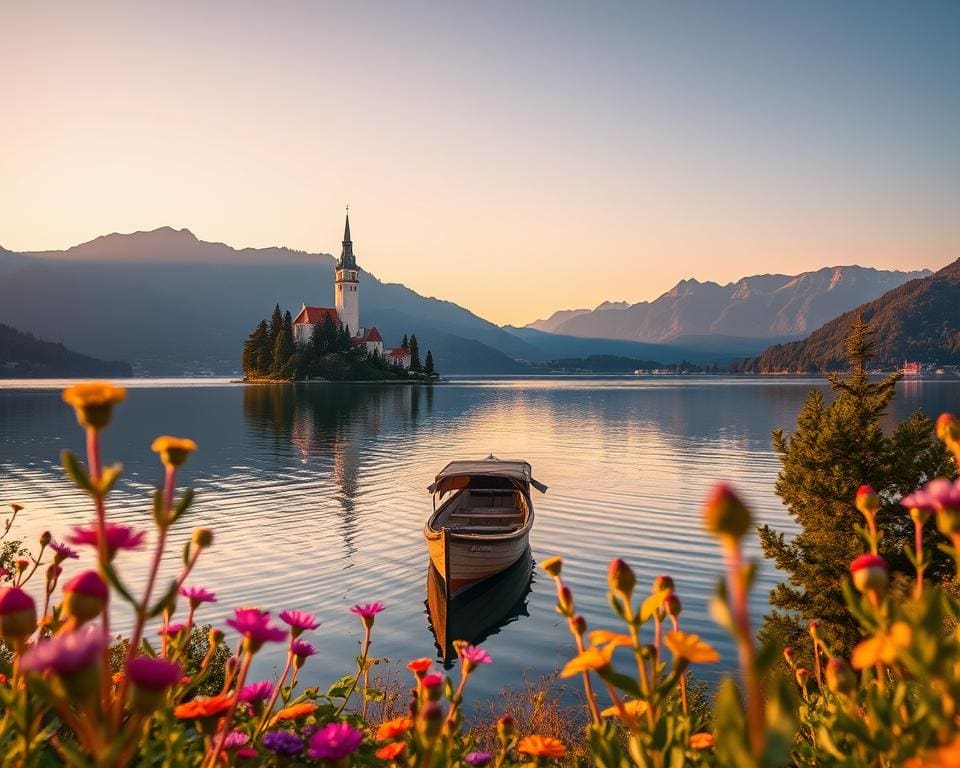

Lake Bled is the image you first see of Slovenia travel: a fairytale island with the Church of the Assumption and a medieval Bled Castle perched on a clifftop. These Bled attractions often fill postcards and travel guides, but they are only a single scene in much larger Slovenian scenery.
This article explains how Lake Bled works as a Bled gateway to a variety of experiences. From alpine hiking in Triglav to dramatic karst caves and the Adriatic coast, you will discover how the country packs lakes, mountains, caves, coast, food and wine into a compact area.
For travellers from the United Kingdom, Slovenia is easy to reach. You can fly to Ljubljana, or travel by rail and road from Austria and Italy. Distances between major sights are short, so practical multi‑day itineraries are realistic even on a week‑long break.
First, we will take a close look at Lake Bled and the activities that draw visitors. Then the article moves on to outdoor adventures and diverse landscapes. Finally, you will find cultural highlights and practical travel tips to plan your trip from the UK.
If you want varied experiences in one trip and sustainable travel choices, Slovenia delivers. Think of Lake Bled as the welcome scene that invites you to explore the rest of this compact and captivating country.
Lake Bled and iconic highlights that draw you in
You arrive at an emerald lake framed by the Julian Alps and understand why photographers and travellers keep returning. This introduction points you to the best Lake Bled highlights, from classic viewpoints to culinary treats that linger on the palate.
The small island at the lake’s heart hosts the famous Bled island church, a baroque gem reached by traditional pletna boat or by your own hired rowing boat. Climb the steep stone steps on the island to hear the bell‑ringing custom and take in those timeless views.
Perched above the town, Bled Castle stands as one of Slovenia’s oldest fortresses. Its museum, working printing press exhibition and panoramic terraces offer insight into local history and offer one of the top Bled viewpoints for photos and postcards.
Lake Bled owes its look to glacial sculpting. Clear, emerald waters nestle against the foothills and create the landscape that appears on so many travel lists. Each season changes the scene: summer is for swimming and boating, autumn brings warm colours and quieter paths, winter covers the roofs in snow and hosts festive markets, spring opens paths with wildflowers.
To capture the quintessential shot head to Osojnica or Mala Osojnica for sweeping views of island and castle. The terraces at Bled Castle give a higher perspective. These Bled viewpoints suit both sunrise photographers and casual sightseers.
Getting to the island is part of the experience. Local oarsmen steer the flat-bottomed pletna boat in a tradition that predates modern tourism. If you prefer to row, hire a boat and steer yourself for a more intimate afternoon on the water.
A gentle, mostly flat 6 km path circles the shore for walkers and cyclists. Families find the route easy and safe. Guided walks and longer hikes begin here for those who want to push into the nearby hills and beyond.
Refresh at lakeside cafés with a slice of kremšnita, the light cream cake that has become a culinary emblem of Bled. Try regional dishes too: trout from local waters, štruklji and hearty Alpine bowls like jota. Pair your treat with wine from Upper Carniola or a cup of Slovenian coffee.
Bled works well as a base for wider exploration. Day trips lead to Triglav National Park, Vintgar Gorge and Lake Bohinj. Transport links include buses and road transfers to Ljubljana and coach services to other hubs, with Ljubljana Jože Pučnik Airport offering the nearest international flights.
From here you can travel further to the Vogel cable car for mountain panoramas or the Radovna Valley for gentler walks. Use Bled as a gateway that introduces Slovenia’s natural and cultural themes while keeping you close to comfortable amenities and easy transport connections.
Beyond the postcard: diverse landscapes and outdoor adventures
Slovenia packs a huge variety of scenery into a small map. You can wake to alpine peaks, traverse karst caves by noon and dine beside the sea at sunset. These contrasts make planning easy when you want mountain trails, underground wonders and a slice of Mediterranean calm in one trip.
Alpine scenery and Triglav National Park
For classic Julian Alps hiking, try day routes to Mount Vogel or gentle walks around Lake Bohinj. Experienced hikers may aim for multi‑day ascents of Mount Triglav. Mountaineering grades rise quickly, so consider a guide for exposed sections and rope work.
The network of planinske koče, run by the Alpine Association of Slovenia, offers shelter and hearty meals along routes. Book busy huts in high season, carry layers for sudden weather changes and know basic map and compass skills before heading into Triglav National Park.
Wildlife adds charm to hikes. Keep an eye out for chamois, ibex, red deer and golden eagles. Respect protected zones, keep distance from animals and follow park signage to help conservation efforts.
Karst region, caves and river gorges
The Karst landscape reveals two famous underground attractions. Postojna Cave delivers a dramatic show cave experience with stalactites and an underground train. Škocjan Caves is a UNESCO World Heritage site noted for a vast subterranean canyon and important hydrology.
Both sites run guided tours with practical accessibility options. Combine a cave visit with Predjama Castle for a memorable day that pairs natural spectacle with medieval architecture.
River activities and scenic drives
The Soča River is your go‑to for Slovenia rafting and white‑water thrills. Operators cater to novices and experienced paddlers for rafting, kayaking and canyoning. Choose a reputable guide and the correct difficulty grade for your group.
Take scenic drives through the Soča Valley, stop at Tolmin Gorge and follow the Soca Trail for viewpoints and picnic spots. Those short detours reward you with emerald waters and vivid photo opportunities.
Coastal charms and Mediterranean‑influenced towns
On the Slovenian coast, Piran presents narrow streets, Venetian façades and views from the city walls. Portorož offers resort beaches and wellness centres for relaxation after alpine exertion. Sample seafood, visit the salt pans of Sečovlje and consider a day sail or a short trip into Italian Istria.
Because distances are short, you can pair mountain days with coastal nights. Driving time from Bled to the coast is roughly two to three hours by car. Use trains and buses for a greener option and pace your itinerary to include rest days between hikes and sea visits.
Cultural riches, local experiences and practical travel tips
In Ljubljana you can walk from the Triple Bridge and Dragon Bridge to Preseren Square and the castle hill in minutes, so plan to linger at riverside cafés and small galleries. Visit the National Museum of Slovenia and the Museum of Modern Art to understand history and contemporary life, then stroll Metelkova for street art and live events. These Ljubljana attractions make the compact city centre easy to explore on foot and full of discoveries.
Taste authentic Slovenian cuisine by seeking regional dishes such as potica, jota, idrijski žlikrofi and štruklji, and try kremšnita when you visit Bled. Book a farmhouse guesthouse or a mountain hut for homemade meals, and sample modern dining in Ljubljana where Michelin-starred kitchens meet local producers. For wine lovers, wine routes Slovenia like Goriska Brda and the Vipava Valley offer tasting rooms and vineyard stays for intimate tours and agritourism experiences.
Festivals Slovenia brings to life folk music, harvest events and village fairs across the year; look for trgatev (wine harvest) celebrations and summer folk festivals in regional towns. Time your trip to avoid crowds by visiting in the shoulder months of April–May or September–October, and aim for early morning at popular viewpoints. For longer stays, a 4–5 day trip covers Bled and Ljubljana, while 7–10 days lets you add Triglav, Postojna cave and a coastal break in Piran.
When planning travel from UK to Slovenia, consider direct flights to Ljubljana, connections via Trieste or combined train and ferry routes. Use Slovenia’s bus network for intercity travel and hire a low-emission car for wine-region exploration when needed. Travel sustainably by supporting local guides, respecting protected areas and reducing single-use plastics; if you want a taste of combining scenic cruises with culinary treats elsewhere in Europe, see this short guide to lake cruises and chocolate tastings for inspiration: lake cruises and Swiss chocolates.