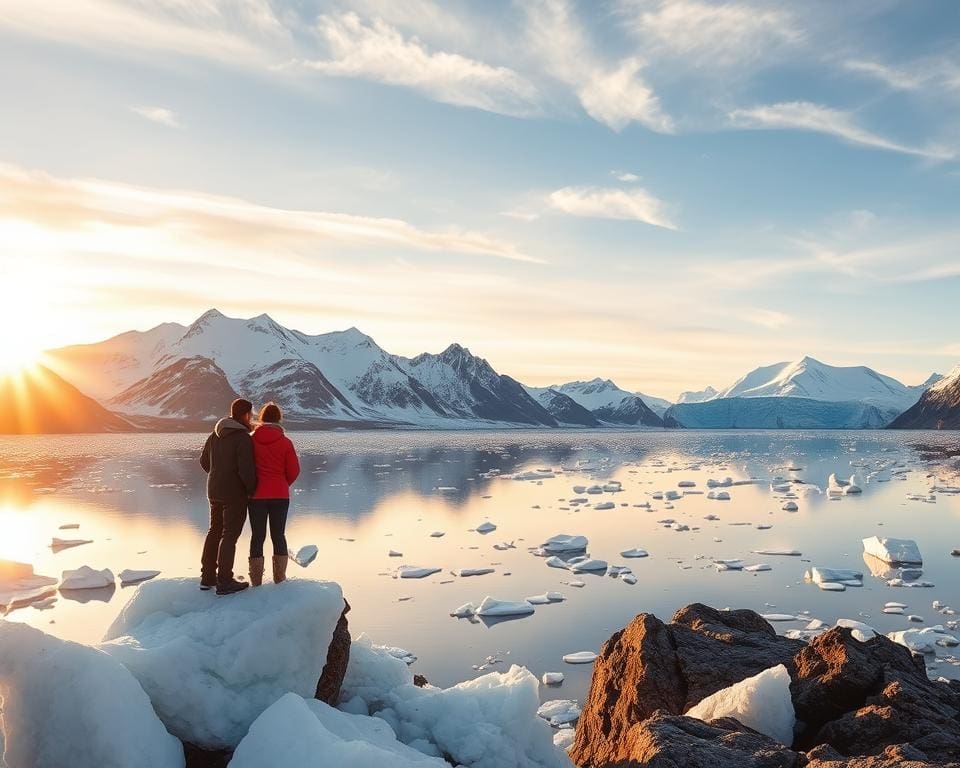

You will find Svalbard as a remote Norwegian archipelago in the High Arctic, centred on Spitsbergen and reached by flights from Oslo or Tromsø. It is one of the northernmost permanently inhabited places on Earth, and that alone shapes the appeal for Arctic travel.
The climate is Arctic but tempered by the Gulf Stream, so coastal temperatures are milder than some inland Arctic regions. Expect rugged mountains, vast glaciers, deep fjords and sea ice that define the landscape and the Svalbard attractions you come to see.
Longyearbyen is the administrative centre and your main gateway, with hotels, restaurants, the Svalbard Museum and licensed tour operators. You can visit the Russian mining community of Barentsburg on organised trips, or the research settlement at Ny-Ålesund for a glimpse of polar science in action.
Svalbard’s legal status under the Svalbard Treaty means Norwegian sovereignty with specific residency rules, so check Norwegian entry requirements before you travel. Safety is paramount: polar bear protocols, harsh weather and remote conditions mean you should follow local guidance and usually travel with experienced guides.
So why visit Svalbard? The mix of pristine wilderness, close wildlife encounters, dramatic light phenomena and hands-on adventures — from glacier hikes to boat cruises — makes Svalbard a truly unforgettable travel destination. Seasonality and sea-ice conditions shape what you will see, so timing is central to planning your trip.
Wildlife encounters and arctic biodiversity in Svalbard
Svalbard hosts remarkable Arctic biodiversity despite its high-latitude setting. You will find a compact but rich mix of mammals, seabirds and marine life that has adapted to long winters and brief summers. Rules govern interactions to keep both you and the wildlife safe.
Spotting polar bears and responsible wildlife viewing
Polar bears (Ursus maritimus) are the archipelago’s most iconic species. They roam sea ice and coastal zones, and may appear near settlements such as Longyearbyen. You must respect local regulations designed to reduce conflict and risk.
You should seek polar bear spotting only with licensed guides or from secure platforms like boats and zodiacs. Keep legal viewing distances, never feed animals and use long lenses to photograph. Many tour operators offer lookouts and waterborne observation to reduce disturbance while giving excellent viewing chances.
Safety measures matter on every trip outside town. Some trips require polar-bear safety training, trip registration with authorities and use of emergency equipment by trained guides. Guides may carry flares or rifles for deterrence, not sport. Responsible wildlife viewing protects bears and people.
Birdlife and migratory species around the archipelago
Svalbard supports large seabird colonies that draw visitors in summer. Key species you can expect are Atlantic puffin, Brünnich’s guillemot, kittiwakes, Arctic tern, glaucous gull and barnacle goose. These birds concentrate on coastal cliffs and islets in June to August.
Timing is crucial for good sightings. The short Arctic summer brings peak activity when migrants arrive to breed. Boat-based colony visits and guided coastal walks give the best views while reducing impact on nests and vegetation.
Follow guide instructions to avoid trampling or startling nesting birds. Keep to set paths, hold back from cliff edges and limit noise. These small steps ensure colonies remain healthy for future seasons and support observations of Arctic birds Svalbard visitors cherish.
Marine mammals and the importance of conservation
The waters around Svalbard host ringed seal, bearded seal, harbour seal, walrus and several whale species such as minke and humpback whales. You may encounter belugas in some seasons. Seals and walrus Svalbard populations are central to coastal food webs and cultural interest.
Marine mammals face threats from shrinking sea ice, shipping noise, pollution and historical hunting. Norwegian protections include marine management zones and rules for wildlife disturbance. Research teams from institutions like the Norwegian Polar Institute monitor populations and trends.
You can help by choosing operators that follow codes of conduct, report sightings to citizen science projects and respect no-approach zones. Supporting responsible tour companies ensures that Svalbard wildlife remains resilient for future visits while you enjoy informed, safe encounters.
Unique landscapes and natural phenomena that make Svalbard unforgettable
Svalbard’s raw terrain grabs attention the moment you arrive. Coastal mountains, vast ice fields and deep fjords shape fantastic backdrops for photographers and scientists. Your trips here centre on the interplay between sea, rock and ice that defines Svalbard landscapes.
Glaciers, fjords and dramatic Arctic scenery
The archipelago hosts hundreds of ice flows that feed into open water. Austfonna on Nordaustlandet ranks among Europe’s largest ice caps. Tidewater outlets and smaller valley glaciers create memorable fronts and calving events you can watch from safe distances.
Glacial carving has cut steep-walled inlets such as Isfjorden and Hornsund. Those fjords Svalbard features display hanging valleys, serrated ridges and sheer cliffs. Boat cruises, zodiac safaris and guided glacier hikes let you study these features up close.
Activities tied to the land and sea help you explore. You can take icefjord boat trips, paddle on kayak tours in summer or follow snowmobile routes in winter. Guided mountaineering and careful shore landings increase chances to see wildlife while enjoying the scenery.
Midnight Sun and Polar Night: when to visit for light phenomena
The Midnight Sun means continuous daylight around the summer solstice. Depending on where you stand, that window runs roughly from late April or May through late August. Continuous daylight gives long hours for photo shoots and late-night hikes without artificial light.
Polar Night reverses the rhythm, bringing extended darkness in high-latitude zones. On northern islands it can last from late October or November into mid-February. In Longyearbyen the polar night usually falls between late November and mid-January.
You should plan clothing and sleep routines around those extremes. The Midnight Sun Svalbard period requires eye masks and time cues to maintain rest. During Polar Night Svalbard you will need bright layers, strong headlamps and a plan for circadian adjustment.
For a balance of light and wildlife, aim for summer months such as June–July for Midnight Sun experiences. Visit from September through March to chase dark-sky aurora and Polar Night scenes. Shoulder months like May and September reduce crowds while still offering strong natural displays.
Northern Lights opportunities and optimal viewing tips
Svalbard sits at a high latitude, which improves chances of auroral displays when solar wind interacts with the atmosphere. Visibility requires dark skies, clear weather and low light pollution. Northern Lights Svalbard are most likely from late September through March.
Longyearbyen and outlying areas both serve as launch points. Moving away from settlement lights or joining boat-based night cruises raises your odds. Stay several nights to increase chances; auroral activity can vary night to night.
- Check forecasts from meteorological and space-weather services before heading out.
- Dress in layers suited to Arctic nights; prepare for wind chill and long waits outdoors.
- Use manual camera settings, a tripod and wide-aperture lenses for crisp aurora photos.
- Book guided aurora trips where experienced guides read conditions and pick the best viewing spots.
Adventure travel, accessibility and practical tips for visiting Svalbard
When planning Svalbard travel, start with flights to Longyearbyen via Oslo or Tromsø on carriers such as SAS and Norwegian. Summer brings extra charter and expedition flights during the cruise season, so book early. For Longyearbyen travel, expect hotels, guesthouses and cabins; expedition ships offer access to remote shores if you prefer an afloat base for exploration.
Getting to Svalbard is one thing; moving around the archipelago is another. You will rely on guided boats, zodiac transfers, snowmobiles in winter with licensed guides, dog‑sledding and organised hikes. Roads are limited around Longyearbyen, so private car travel is rarely an option for reaching wild terrain. Choose an operator that prioritises Svalbard safety and local knowledge.
Understand entry rules and carry the right paperwork. Check Norwegian passport and Schengen visa requirements before you leave, and be aware of Svalbard’s residency rules under the Svalbard Treaty. Some protected areas and specialist trips need permits. For any travel outside settlements, you must follow registration rules with the Governor of Svalbard (Sysselmesteren) and use licensed guides in polar‑bear country; guide services typically manage firearm training and rental where needed.
Packing and fitness matter. Layered thermal base layers, windproof and waterproof outerwear, insulated boots, gloves and sunglasses for glare are essential. Winter trips require extreme cold‑rated gear, crampons and robust daypacks. Health services are limited; serious cases may need evacuation to mainland Norway, so take travel insurance that covers polar activities. Plan activities by season—summer offers glacier cruises, kayaking and bird‑colony visits; winter brings snowmobiling, dog‑sledding and aurora chases—and choose trips that match your experience and fitness.
Finally, build flexibility into your itinerary and respect the fragile environment. Weather and ice can alter plans at short notice, so book key activities early but expect adjustments. Use resources such as Sysselmesteren guidance, the Svalbard Museum for background, and reputable operators like Hurtigruten or Oceanwide Expeditions for specialist voyages. Following these Svalbard travel tips will help you enjoy remarkable Svalbard adventure activities while keeping safety and sustainability front of mind.