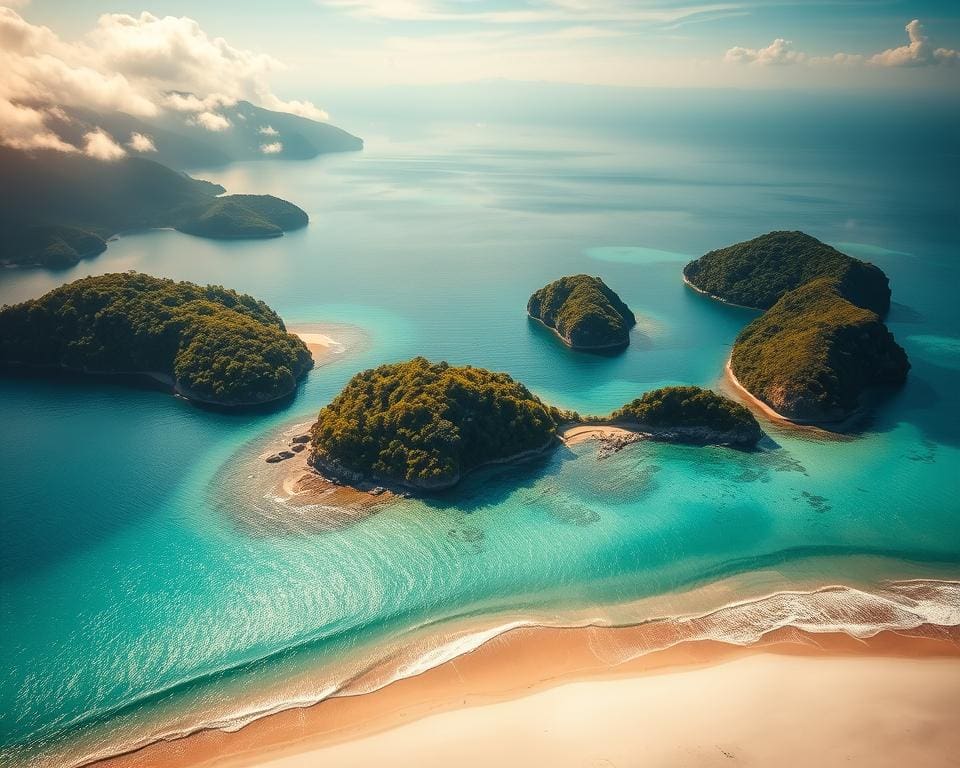

You know the popular Mediterranean hotspots, but there is a different kind of ocean escape waiting if you look a little closer. This article introduces hidden islands that are lesser-known rather than unreachable. These places offer distinctive scenery, authentic culture and options for low-impact tourism that suit quieter, purposeful travel.
You will discover why off-the-beaten-track islands appeal to travellers from the UK who want more than sunbathing. Expect solitude, closer contact with wildlife and chances to support local communities through responsible choices. The piece will point to the best hidden islands in Europe, show activities that go beyond beaches and give practical tips for planning secluded island holidays.
Current travel trends favour sustainable tourism, nature-focused trips and experiential stays. You will find guidance based on reputable sources such as Lonely Planet, Rough Guides and National Geographic, plus conservation advice from BirdLife International and The Wildlife Trusts, and practical information from official boards like Visit Greece and Visit Portugal.
Read on to learn how undiscovered islands can transform your next holiday into a memorable, low-impact adventure and how to spot genuine off-the-beaten-track islands that match your needs.
Hidden islands: why you should consider them for your next trip
Hidden islands answer a simple question: what is a hidden island? In practice, they are places with low tourist footfall, limited transport links and little large-scale development. You will find intact habitats, local traditions and small guesthouses rather than resort chains. Examples range from remote isles in the Azores to outlying Scottish archipelagos reached via Loganair or regional ferries.
What makes an island “hidden” and worth visiting
A hidden island tends to have seasonal or sparse services, a strong local identity and landscapes that feel largely untouched. Attributes that add value include unique flora and fauna, small-scale hospitality and authentic food. Some require multi-leg journeys or private boat transfers, which becomes part of the appeal for many visitors.
Not every quiet beach counts. Islands transformed by cruise ships or package tourism, such as many Balearic or Canary hotspots, no longer fit the hidden-island definition. Look for places with family-run accommodation and conservation measures that protect wildlife and heritage.
Benefits of visiting lesser-known islands: solitude, authenticity and preservation
One of the key benefits of hidden islands is solitude. You can enjoy quieter beaches, empty hiking trails and a slower pace that helps with rest and digital detox. That calm often leads to a deeper connection with place and people.
Authentic cultural exchange is another benefit. You can dine in family-run tavernas, watch traditional crafts and attend intimate festivals that big-tourism spots no longer host. Responsible visits funnel money into local economies and support conservation, such as community-led programmes on parts of the Greek isles or whale-watching codes in the Azores.
At the same time, you must travel with care. Fragile ecosystems suffer from overuse. Follow Leave No Trace principles, respect seasonal closures for nesting birds and favour certified guides when available.
How to find reliable information and plan logistics
Start with official sources: VisitScotland, VisitPortugal and similar tourism boards publish accurate travel notes and alerts. Respected guidebooks like Lonely Planet and Rough Guides provide vetted advice, while NGOs such as BirdLife and the Marine Conservation Society offer conservation guidance.
For island logistics and planning, check ferry timetables, inter-island flights and seasonal changes. Book scarce transfers and accommodation early. Consider combined rail-plus-ferry passes where offered and verify amenities such as power and mobile coverage if these matter to you.
Prepare for limited services. Pack essential medication, basic first aid and cash. Confirm travel insurance covers remote locations and activities like diving. Check for permits and visitor limits in protected areas before you go.
For inspiration on specific shores and secret coves, consult practical round-ups such as hidden beaches in Europe, which list spots from Greece to the Costa Brava and the Azores. Use that information to weigh the benefits of hidden islands, plan sustainable island tourism and choose when to travel for the calmest experience.
Europe’s secret islands off the beaten track
You can find places that feel removed from maps and schedules, where local life sets the pace. These hidden islands Europe offer pastel harbours, quiet tavernas and dramatic cliffs that contrast with busy resort hotspots. Use this guide to spot the best options and plan responsibly.
Remote Mediterranean gems with local culture
Explore small ports such as Halki and Symi in Greece for pastel buildings and calm waterfront dining. The Egadi Islands off Sicily, including Favignana and Levanzo, reward you with rugged coastlines and traditional fishing villages that keep old customs alive.
Comino near Malta shows off a striking blue lagoon outside high season when crowds thin. Lampedusa has lesser-visited bays and important turtle nesting sites, so check local protections and follow rules for snorkelling and beach access.
For more hidden island inspiration and traveller notes, see a practical roundup at discover hidden island gems around the.
Atlantic islands with dramatic landscapes and wildlife
The Azores reveal a quieter side on islands like Flores and Corvo, with crater lakes, hydrangea lanes and strong cetacean-watching potential. Madeira’s smaller neighbours and the Selvagens show volcanic cliffs and endemic plants such as laurisilva.
Scotland’s western isles reach beyond Lewis and Skye. St Kilda gives you unique seabird colonies and strict visitor limits to protect breeding sites. Many travellers come for Atlantic islands wildlife like puffins, gannets and seal colonies; booking ahead is often essential.
Practical travel tips for visiting European hidden islands
Plan for shoulder seasons. Spring and autumn offer milder weather, fewer tourists and wildlife events such as bird migrations or turtle nesting. Winter may cut services on remote isles and complicate travel.
- Transport: check ferry reliability and return options. Atlantic crossings can be cancelled in poor weather and some routes run infrequently.
- Money and supplies: bring a mix of cards and cash. Stock up on essentials before leaving the main hub.
- Responsible choices: pick certified wildlife operators and local guides, avoid single-use plastics, and respect protected zones such as Natura 2000 sites.
Keep these European island travel tips in mind to enjoy islands off the beaten track Europe while protecting fragile habitats and supporting local communities.
Island experiences beyond beaches: activities and cultural encounters
Hidden islands offer more than sand and sea. You can join a guided trip for wildlife watching islands, take part in community events, or try active days out that test your fitness and curiosity.
Wildlife watching and conservation-focused visits
You can spot puffins, shearwaters and seals on organised outings run by reputable groups such as the RSPB or local wildlife trusts. Use binoculars, keep your distance and follow the guidance of licensed guides to avoid disturbing nesting birds.
Boat operators in the Azores and around the British Isles follow safety protocols for cetacean trips. Choose tours with clear insurance and cancellation policies. Consider volunteering on seabird monitoring schemes if you want a hands-on conservation role.
Traditional festivals, crafts and local cuisine
Attend island festivals and cuisine events to see music, dance and costume up close. Panigyria on Greek isles and Portuguese festas reveal communal feasts and maritime traditions. Respect dress codes at chapels and ask before photographing residents.
Markets and family-run tavernas showcase regional flavours such as Azorean cozido and Sicilian seafood. Buy ceramics, woven goods and boat-related crafts directly from makers to support local livelihoods and encourage living traditions.
Read practical tips and find village routes on trusted travel write-ups such as this off-beach Ibiza guide, which highlights markets, historic sites and authentic food stalls.
Active adventures: hiking, diving and kayaking options
Many islands have mapped and unmarked trails for rewarding island hiking diving kayaking experiences. Sa Talaia-style summit walks, volcanic crater rims and coastal cliff paths offer panoramic views and cultural sites along the way.
Dive operators on remote islands often protect reefs and endemic species. Check certification needs, seasonal restrictions and choose companies that observe marine-protection rules to reduce impact on fragile habitats.
Sea-kayaking reveals hidden coves and bird-cliffs with minimal disturbance. Hire from reputable providers, wear buoyancy aids and check tides. Tell your host about remote plans and carry emergency contacts if mobile signal is poor.
Across these options your best days combine respectful wildlife watching islands, lively island festivals and cuisine experiences, plus well-prepared island hiking diving kayaking trips that bring you closer to local life and culture.
How to choose the perfect hidden island for your holiday
Start by assessing what matters most to you. Decide between solitude and accessibility: utter seclusion often means longer flights and ferries, while quieter alternatives offer easier logistics. Think about activities versus relaxation; if you want wildlife watching or diving, pick an island known for those pursuits, but if you seek peaceful beaches and reading time, prioritise calm bays and reliable accommodation.
Match timing to seasonality. Many wildlife events, such as seabird breeding or whale migrations, are seasonal, and local festivals can shape your experience. Use a hidden island checklist to compare transport times, ferry reliability and transfer options from hubs like Lisbon, Athens or other regional airports used by UK travellers.
Factor in practicalities: choose accommodation type—eco-lodges, guesthouses or self-catering cottages—after checking amenities and cancellation policies. Budget for higher costs on remote islands, from fuel surcharges to guided-excursion fees, and ensure your travel insurance covers remote evacuation and activity risks. A brief island holiday planning grid helps you weigh accessibility, activities, conservation credentials and overall cost.
Travel responsibly. Follow Leave No Trace principles, support locally owned businesses, and consider paying conservation levies or joining guided conservation walks. To finalise your choice, use trusted booking channels, contact hosts with specific questions, confirm timetables before departure and register your plans with your insurer or the Foreign, Commonwealth & Development Office. These steps will help you choose hidden island options and find the best island for your holiday with confidence.