
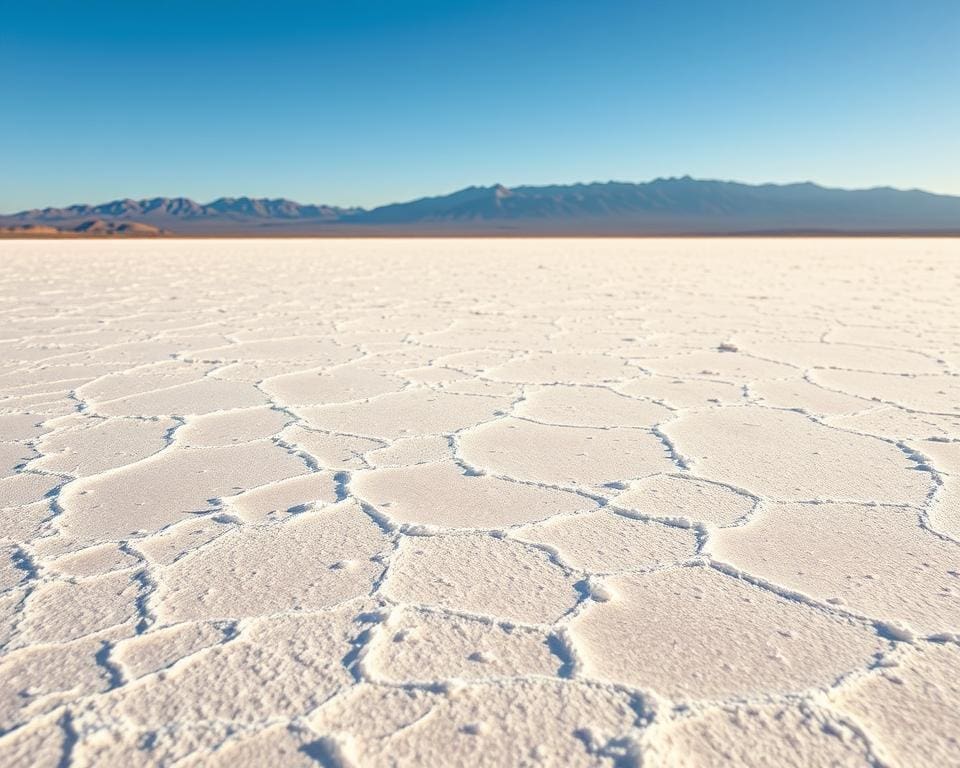
Salt flats rank among the planet’s most striking landscapes. You will find vast, white expanses that create mirror-like reflections and an almost otherworldly light. Whether you seek dramatic photography or quiet, wide-open spaces, this guide points you to the best salt flats to visit and explains what makes them so special.
From the Salar de Uyuni in Bolivia to the Bonneville Salt Flats in the United States, world salt flats offer varied scenery and activities. This article covers what a salt flat is, the top salt flat destinations to add to your travel list, and the experiences you can expect when you arrive.
If you are travelling from the United Kingdom, plan for long-haul flight times and check visa rules for Bolivia, Namibia, Argentina, the United States and Australia. We note recommended travel seasons to help you align salt flat travel with UK holiday periods and make the most of photographic conditions.
The layout is straightforward: Section 2 explains why salt flats are unique; Section 3 lists standout world salt flats; Section 4 outlines activities and safety on the flats; and Section 5 gives practical advice on logistics and sustainability for responsible visits.
This content is aimed at readers researching salt flats for travel inspiration, photography tips, wildlife interest and practical planning. Later sections draw on geographic and scientific sources, national park guidance, tourism boards such as Bolivia’s tourism authority and Visit Utah, and reputable travel resources including Lonely Planet and National Geographic.
Salt flats: iconic destinations and what makes them special
Salt flats are unforgettable landscapes that draw photographers, scientists and travellers. Before you plan a visit, it helps to know what is a salt flat and why these plains look so otherworldly. A brief introduction sets the scene for the practical details that follow.
What defines a salt flat and how they form
A salt flat is a broad, flat expanse coated in salt and minerals, often called saline pans, playas or salars. They form in endorheic basins where water drains in but has no outlet. Repeated flooding and evaporation leave layers of halite and gypsum that harden into a crust.
These surfaces develop over thousands to millions of years. Many are the remains of prehistoric lakes, such as the palaeolakes that shaped parts of Australia. Groundwater, arid climates and tectonic basins all influence how salt flats form and how thick their evaporite layers become.
Human activity can change a salt flat’s look and hydrology. Mining for salt and lithium, as seen at Salar de Uyuni in Bolivia, alters water balance and surface texture. When you study local regulations, keep extraction impacts in mind.
Visual and photographic appeal you won’t want to miss
A thin film of water turns some flats into giant mirrors. When conditions are right, the horizon disappears and reflections create surreal scenes. Salar de Uyuni offers the clearest mirror effect, prized by professional and amateur photographers alike.
Contrasts add drama. Bright white salt crusts sit beneath deep blue skies. Polygonal patterns and salt-caked islands, such as those found in Bolivia, give striking foregrounds for compositions. Night skies on remote flats reveal vivid starfields and the Milky Way.
For salt flat photography pack a sturdy tripod and a wide-angle lens. Neutral density filters help with long exposures of reflected skies. Protect your equipment from abrasive salt and spray by using sealed bags and frequent lens care.
Climate, seasons and the best time to visit for stunning views
Timing shapes your experience. Dry-season trips reveal a hard, white crust that is easy to traverse. Wet-season visits can produce the mirror reflections you seek. For example, the mirror effect on Salar de Uyuni typically appears between December and April.
Other sites differ. Bonneville Salt Flats see optimal conditions for motorsport late in summer. Lake Eyre, or Kati Thanda, floods unpredictably after heavy rains inland, creating transient lakes that attract wildlife and dramatic vistas.
Expect strong daytime heat and cold nights. Bring layers, suncream and polarised sunglasses. Check accessibility windows, since heavy rain can make roads impassable at Salinas Grandes or turn parts of Etosha Pan muddy.
Practical tips for planning your trip to a salt flat
Before you go, confirm permits and local rules. Some reserves require entry fees or guided access, especially within national parks. For safety and local insight hire a guide when routes are unmarked.
- Transport: use a 4×4 where required and carry spare fuel and a spare tyre.
- Health: stay hydrated, use sun protection and be aware of altitude at high sites like Salar de Uyuni.
- Packing: bring sealed bags for electronics, sturdy footwear and basic recovery gear.
Follow salt flat travel tips that respect fragile crusts and community land. Drive only where permitted, leave no trace and avoid disturbing mining sites. Small choices preserve these landscapes for the next traveller.
Top salt flats around the world to add to your travel list
These vast white plains rank among the best salt flats in the world for their scale, light and sense of place. You can plan visits that mix dramatic photography with local culture, wildlife viewing and a taste of remote landscapes. Below are five must-see flats that showcase different climates and experiences.
Salar de Uyuni, Bolivia — the world’s largest mirror draws photographers and adventurers to its 10,582 km² expanse. In the wet season you can capture perfect reflections on a salt crust that sits over rich lithium brines. Take a guided multi-day tour from Uyuni or La Paz, visit Incahuasi Island and consider altitude precautions at about 3,656 m. Choose operators that respect protected areas and community rights when you learn about nearby salt extraction and mining.
Bonneville Salt Flats, USA — famous for land-speed records, this north-west Utah plain offers stark panoramas and a sense of speed history. Time your visit for Speed Week or when ephemeral flooding produces strong reflections. Access is near Wendover and you should check Bureau of Land Management notices and event schedules before you travel. Research current crust conditions and local conservation efforts to plan responsibly.
Etosha Pan, Namibia — a white salt basin within Etosha National Park that turns seasonal rains into shallow lakes. Wildlife congregates at the pan edges, creating striking contrasts between dry salt and flocks of birds, zebras and elephants. Enter through park gates, join guided game drives and follow park rules to protect habitats. Ranger talks offer useful context on conservation by Namibia Wildlife Resorts.
Lake Eyre / Kati Thanda, Australia — known for sudden transformations when rare floods change colour and attract vast birdlife. Aerial flights from Adelaide show scale and hues that do not translate at ground level. Access via Marree or William Creek, take an experienced operator for tracks and seek Indigenous-led tours to learn about Arabana cultural connections to the lake.
Salinas Grandes, Argentina — high-altitude salt plains in Jujuy and Salta provinces present endless white against Andean peaks. The area is ideal for classic perspective shots and for connecting with local artisans who sell handicrafts nearby. Visit from Salta or Jujuy on a guided 4×4 day trip and support community-run enterprises to keep benefits local.
Each site offers a different reason to travel: surreal reflections, motorsport heritage, wildlife drama, seasonal spectacle and cultural encounters. Plan with respect for fragile water and salt systems so these unique places remain among the best salt flats in the world for future visitors.
Experiences and activities on salt flats for adventurous travellers
Salt flats offer a rare mix of silent landscapes and lively moments that make your visit memorable. You can plan a range of salt flat activities from calm wildlife watching to adrenaline-fuelled 4×4 routes. Below are practical tips and ideas to help you make the most of your trip.
Photography techniques to capture reflective surfaces and horizons
Position the horizon to anchor your composition and place subjects at varied distances to create playful scale illusions. Use a wide-angle lens for vast scenes and a polarising filter to control glare.
Choose low ISO and small apertures for depth of field, or long exposures for smooth skies at dusk. Protect gear from salt and moisture with sealed bags and clean equipment with fresh water after your visit.
Guided tours, 4×4 routes and off-road safety
Pick guided salt flat tours if you want local knowledge and safer navigation across uncertain terrain. Options range from single-day trips to multi-day overland expeditions and vehicle-based photography tours.
When you drive, use a high-clearance 4×4 with recovery gear, spare fuel and tyres. Carry plenty of water, a first-aid kit and satellite communication or an emergency beacon where mobile signal is unreliable.
Wildlife watching and ecological considerations
Wet seasons can transform flats into vital habitats, attracting flamingos, waders and other birds. Observe wildlife on salt flats with binoculars or telephoto lenses and keep respectful distances to avoid stress.
Salt flat ecosystems are fragile. Avoid creating new tracks, follow park rules and practise Leave No Trace to protect local hydrology and breeding sites.
Local culture, festivals and community-led experiences
Many salt flats sit near communities with deep connections to the land, such as Aymara and Quechua people around Salar de Uyuni and the Arabana near Lake Eyre. Seek out cultural experiences salt flats that are run by locals.
Attend seasonal festivals where possible and support community lodges and artisan cooperatives. Choosing community-led tours helps preserve traditions and ensures tourism revenue stays local.
Practical advice: safety, sustainability and travel logistics
When planning salt flat trip logistics, start with health and emergency checks. For high places like Salar de Uyuni you should be aware of altitude sickness; speak to your GP about vaccinations and carry altitude remedies. Pack suncream, a wide-brimmed hat, sunglasses and plenty of water to guard against intense UV and rapid temperature swings. Make sure you have travel insurance that covers remote-area rescue and medical evacuation.
Salt flat safety also means preparing your vehicle and route. If you hire or drive a 4×4, confirm it is well serviced, carry a recovery kit, spare parts and enough fuel, and check seasonal road closures and weather forecasts. Share your itinerary with a trusted contact, know local emergency numbers and carry satellite communication in places with no mobile signal. Respect park advisories and avoid driving off designated tracks to protect fragile crusts.
For sustainable travel salt flats, minimise your footprint by packing out all litter, avoiding removal of salt or geological samples, and choosing operators who invest in conservation. Be mindful of industrial pressures such as lithium extraction around Salar de Uyuni or potash work near Bonneville, and favour guides and lodgings that support local communities. Consider carbon offsetting or combining visits into longer trips to reduce emissions from long-haul flights.
Your practical checklist should include copies of travel documents and local currency, early bookings for peak periods, and a compact medical and repair kit for vehicles. Typical access routes include flights to La Paz or Uyuni for Salar de Uyuni, Salt Lake City or Wendover for Bonneville, Windhoek for Etosha, Adelaide or Marree for Lake Eyre, and Salta or Jujuy for Salinas Grandes. Plan thoroughly, choose responsible operators and respect landscapes and communities to make your visit safe, sustainable and memorable.