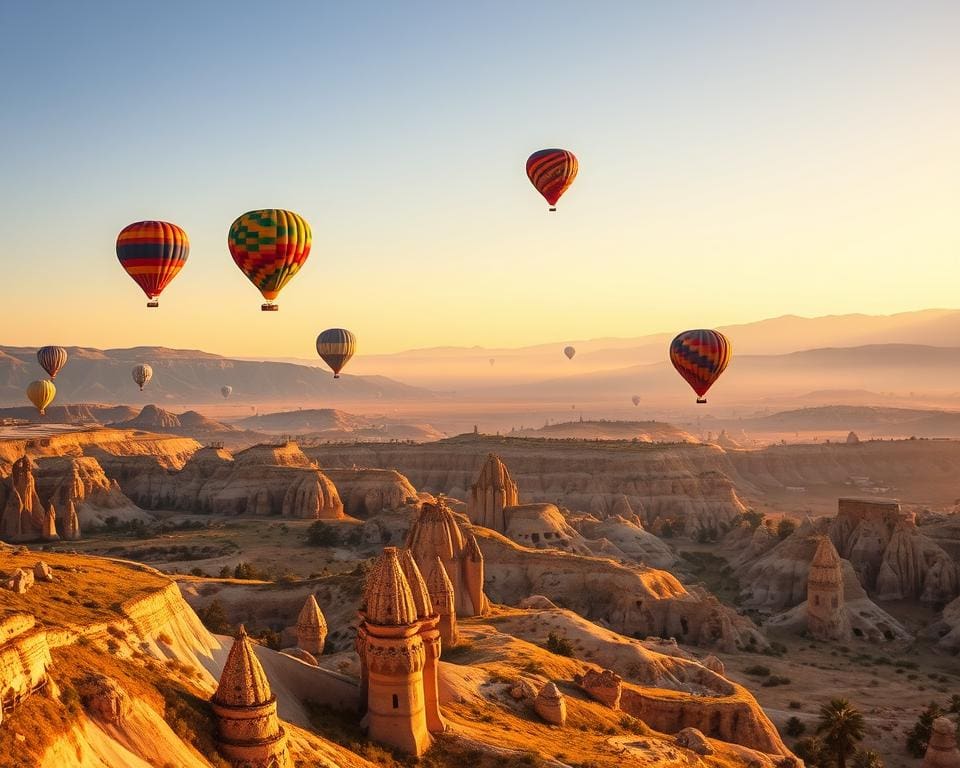

You probably know Cappadocia for its sky full of colour at dawn, but the region in central Turkey offers far more than Cappadocia hot air balloons. This guide introduces Cappadocia as a multifaceted destination where geology, history and living culture combine to reward a longer stay.
Cappadocia spans parts of Nevşehir, Kayseri, Kırşehir and Niğde provinces on a volcanic plateau shaped by eruptions from Mount Erciyes, Mount Hasan and Mount Göllü Dağ two to three million years ago. Erosion of soft tuff created the fairy chimneys, cave dwellings and unique rockscape that set Cappadocia attractions apart.
Balloon flights are most popular at dawn and in peak seasons. In spring and autumn many visitors book flights early, but weather, wind and visibility can cancel operations. Plan alternative activities so your Cappadocia travel is resilient to change.
Shoulder months such as April–May and September–October bring milder temperatures and fewer crowds, making them ideal for exploring valleys and historical sites. For UK travellers, the main gateways are Kayseri Erkilet Airport (ASR) and Nevşehir Kapadokya Airport (NAV), with regular domestic flights from Istanbul and transfers by shuttle, private car or hire vehicle. Note the local time is GMT+3 and Turkish is spoken; you will find widespread English in hotels and with tour operators.
This section sets the scene for a fuller Cappadocia guide. Ahead you’ll find details on geological wonders, heritage sites, hands-on experiences and practical tips so you can plan a trip that goes well beyond the balloon experience in central Turkey tourism.
Cappadocia’s geological wonders beyond balloon rides
You will find that Cappadocia geology rewards curious visitors with landscapes that beg to be explored on foot. Walkable valleys, hidden chambers and high ridgelines reveal how volcanic ash compacted into tuff before wind and water sculpted the land. This section points you to the best features to see without taking to the sky.
Fairy chimneys and rock formations you can walk among
The iconic fairy chimneys formed where thick tuff layers met harder basalt caps. Erosion carved pillars, cones and mushroom shapes that cluster around Göreme, Ürgüp and Paşabağ. You can wander through Göreme Open-Air Museum to see rock-cut churches set among these formations.
Visit Paşabağ, known locally as Monks Valley, for the most dramatic mushroom-shaped chimneys. Zelve Open-Air Museum offers an abandoned troglodyte village to explore. Love Valley and Devrent invite playful photography with odd silhouettes that spark the imagination.
Most of these sites are accessible without a guide, but wear sturdy footwear, carry water and sun protection, and use a map or offline GPS. Respect conservation rules and do not climb fragile formations.
Underground cities carved into volcanic rock
Underground cities were carved from soft tuff to provide shelter and defence over millennia. These subterranean settlements served Hittites, early Christians and later communities during invasions. Narrow tunnels connect rooms, storage areas and communal spaces across multiple levels.
Derinkuyu is among the deepest examples, reputed to reach around 60 metres with ventilation shafts, stables and chapels. Kaymakli presents a sprawling network where visitors can follow tunnels between living quarters and communal halls. You can also seek out Özkonak and Mazı for a quieter experience.
Tickets are required at major sites and crowds rise at peak times. Be mindful that tight passages and steep steps can be challenging for those with mobility issues. A guided visit adds context and safety guidance.
Hiking routes with panoramic viewpoints and photo opportunities
Cappadocia hiking suits short valley walks and longer treks alike. Rose Valley and Red Valley offer colourful canyon routes that glow at sunset. Pigeon Valley links Göreme and Uçhisar via pigeon houses carved into the slopes. For a longer day, Ihlara Valley runs along a river and passes riverside churches.
For wide panoramas, climb Uçhisar Castle for views across the region. Sunset Point near Göreme and various ridge viewpoints give excellent sunrise and sunset shots without a balloon. Short valley walks take roughly one to three hours; Ihlara can take four to six hours depending on your route.
Trails are marked in many places, yet signage can be sparse. Decide between guided and self-guided options, carry ample water, wear layers and check the weather before setting off.
Historical and cultural heritage to explore
You will find layers of history here that reach beyond scenic views. Cappadocia history unfolds in carved living spaces, painted chapels and bustling bazaars. Take time to move slowly so each detail makes sense.
Ancient cave churches grew from monastic need during the Byzantine era. Communities from the 4th to 11th centuries carved sanctuaries, chapels and cells into soft tuff. Frescoes portray biblical scenes in vivid colours. You can see striking examples where iconography, domed interiors and carved altars survive.
Visit the Göreme Open-Air Museum to view some of the best-preserved frescoes. The Dark Church (Karanlık Kilise) requires a separate ticket and rewards patience with richly detailed paintings. Tokalı Church and nearby cave churches show how faith and daily life merged in rock-cut monasteries.
Conservation matters when you view these sites. Climate control, restricted access and photography rules protect delicate pigments. Guided visits help you spot restoration work and understand why limits are in place.
Local museums and archaeological sites give context to what you see above and below ground. Nevşehir Museum displays regional artefacts that link to the finds at Zelve and the Göreme Open-Air Museum. Underground sites present layers of habitation with explanatory displays.
Derinkuyu archaeology has revealed long-term human use spanning Hittite, Roman, Byzantine and Ottoman periods. Excavated ceramics, inscriptions and tools tell stories about trade, ritual and daily routines in Anatolia. A guide or archaeological tour will make these connections clearer.
Practical details matter if you want the best experience. Check opening hours and combination-ticket options. Small museums in Ürgüp and Avanos focus on local life and often host knowledgeable staff who answer questions about provenance.
Living traditions thrive in towns beside the valleys. Avanos pottery uses clay from the Kızılırmak (Red River) in methods passed down for millennia. Workshops offer demonstrations and hands-on lessons so you can learn pottery by doing.
Carpet weaving remains a cultural touchstone in the region. Visiting cooperatives and family-run looms shows you knotting techniques, natural dyeing and the meanings behind regional patterns. Certificates and clear receipts help when you buy pieces to export.
Cappadocia crafts extend beyond ceramics and textiles to onyx, jewellery and handmade items found in markets across Nevşehir and Ürgüp. Learn a little bargaining etiquette. Seek certified studios for authentic pieces and fair pricing.
Activities and experiences that enrich your visit
Beyond the famous flights, Cappadocia offers a range of Cappadocia activities that fill your days and evenings with local colour. You can plan short outings, active adventures and food-led experiences to suit any pace. Below is a practical outline to help you choose what to do next.
Sunrise and sunset viewpoints without the balloon crowds
Arrive 30–60 minutes before dawn or dusk to secure a good spot at Uchisar Castle, Rose Valley ridgelines, the Love Valley viewpoint or Sunset Point near Göreme. These spots offer wide panoramas without booking a balloon.
For photos, use a low ISO and steady hand for smartphones, or a tripod and exposed highlights for cameras. Choose lesser-known ridges and weekdays to avoid the busiest areas.
Most viewpoints have limited facilities. Park close where possible, wear warm layers for cool mornings and evenings, and carry a torch for any descent in low light.
Horseback riding, cycling and off‑road tours through valleys
Horseback riding Cappadocia is a gentle way to see quiet trails. Reputable stables run guided sunset and valley rides lasting one to three hours. Guides suit beginners and share local history tied to the land of beautiful horses.
Cycling tours Cappadocia range from easy valley loops around Göreme and Uçhisar to tougher off‑road tracks. You can hire bikes or join guided e-bike trips to cover more ground. Always wear a helmet, carry water and a basic repair kit.
If you prefer motorised adventure, choose guided ATV or 4×4 jeep safaris that reach remote ridges. Pick operators who follow responsible-tourism rules, stay on designated tracks and respect local wildlife to limit environmental impact.
Culinary experiences: regional Turkish cuisine and wineries
Cappadocia food highlights include testi kebab, mantı, gözleme and fresh mezze made with regional produce. Seek seasonal vegetable dishes and Anatolian meat preparations at cave restaurants for atmosphere and flavour. Book ahead for popular cave venues and note any dietary needs.
Cappadocia wine is on the rise. Vineyards around Uçhisar and Ürgüp host producers such as Kocabağ and Turasan. Visit for tastings and cellar tours to learn about local and Anatolian grape varieties.
Consider joining a cooking class or market visit to learn recipes and local techniques. These experiences bring flavour and context to the region, making your trip more memorable.
Practical tips for visiting Cappadocia beyond the balloons
Plan at least three days to cover key sites and allow time for a relaxed Cappadocia itinerary; four to seven days suits hikers and food lovers who want wineries and workshops. A simple sample plan works well: Day 1 visit the Göreme Open‑Air Museum, walk Love Valley and finish at a sunset viewpoint. Day 2 explore Derinkuyu or Kaymaklı underground city and hike Ihlara Valley. Day 3 try an Avanos pottery workshop, climb Uçhisar Castle and end with a cave‑restaurant dinner and a winery visit.
For Cappadocia transport, fly into Kayseri (ASR) or Nevşehir (NAV). Shared shuttles, private transfers and car hire are all common; expect about 60–90 minutes from ASR and 30–40 minutes from NAV to Göreme. Use dolmuş minibuses for short hops, taxis for convenience, or hire a car to reach remote valleys. Note that some tracks are rough; guided or private vehicles are often the easiest option.
Choose cave hotels in Göreme, Uçhisar and Ürgüp for authentic Cappadocia accommodation with modern comforts. Book ahead in peak season, compare trusted OTAs and contact properties directly for special requests. Check heating and cooling, access for mobility needs, and whether packages include breakfast, tours or transfers to streamline your plans.
Prioritise Cappadocia safety and conservation on every outing. Wear sturdy shoes for uneven terrain and narrow stairways, take water and sun protection, and consider travel insurance that covers adventure activities. Carry some Turkish lira for small vendors, keep a card for larger payments, and download offline maps because mobile signal can be patchy in remote spots. Learn a few Turkish phrases such as lütfen and teşekkürler to enhance local interactions. By combining geology, history, active days and local food you’ll craft a memorable trip that stands independently from the balloon experience.