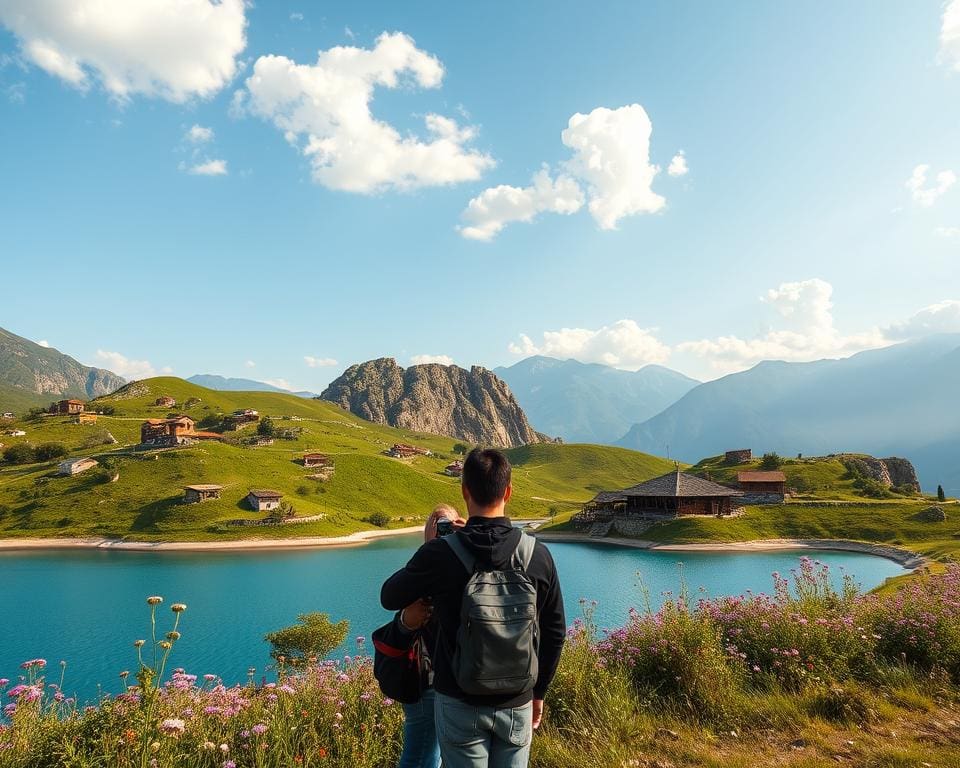

Albania travel is drawing more attention as an up-and-coming European destination. You will find dramatic coastlines, unspoilt mountains and authentic culture that feel refreshingly genuine. This short guide highlights hidden gems Albania offers and helps you plan whether you want beaches, hiking, food or cultural encounters.
Practical basics matter when you travel to Albania. UK passport holders can enter visa-free for short stays. The main international gateway is Tirana–Nënë Tereza International Airport, and the common currency is the Albanian lek (ALL). Albanian is the national language, while English is widely spoken in tourist areas.
Travel infrastructure is improving: seasonal ferry links and coastal roads such as the SH8 along the Ionian coast make seaside routes more accessible. Inland, roads to Theth and Valbona in the Albanian Alps are steadily upgraded, and national parks like Llogara offer clear information for visitors.
This long-form guide matters because it organises Albania tourism into clear sections: coastal highlights, inland escapes and cultural experiences. You will get practical tips on best seasons, accessibility and safety, plus recommended towns and attractions to visit Albania 2026 with confidence.
Factual points are drawn from reputable sources, including Albanian national tourism information, UNESCO listings for Gjirokastër and Berat, and national parks data for Llogara, Theth and Valbona. Use this as a starting point to explore the lesser-known side of Albania tourism and uncover more hidden gems Albania holds.
Why Albania travel should be on your radar
You might be weighing up European options and wonder why visit Albania. The country offers quieter sites than Croatia, Greece or Montenegro, with lower prices for accommodation, dining and transport. That makes Albania value travel attractive to anyone seeking more for their budget.
In peak season, June to August, coastal spots fill up. Travel in May or September–October for fewer crowds and milder weather. You will find budget-friendly guesthouses and family-run pensions, plus inexpensive local restaurants serving fresh seafood and traditional dishes for a fraction of Western Europe prices.
The country wears a layered past on its sleeve, which is a big reason to consider authentic Albania. From Illyrian and Roman traces to Byzantine and Ottoman influences, cultural markers sit side by side with 20th-century relics from the communist era.
Visit UNESCO towns such as Gjirokastër and Berat to see preserved Ottoman architecture. Museums like the National Historical Museum in Tirana and Rozafa Castle in Shkodër offer context for Albania culture. You will notice living traditions too: local bazaars, iso-polyphonic singing in the south and religious coexistence across towns and villages.
Nature lies close at hand, which boosts Albania nature access for many travellers. Coastal stretches meet wetlands such as Karavasta Lagoon, while the Albanian Alps offer alpine hikes within a few hours’ drive of regional hubs.
Many natural sites are reachable by car from Tirana. Public transport is improving, yet remote areas still reward those who hire a car or join an organised tour. Activities range from relaxed beach days and cycling along coastal roads to day hikes in Llogara, multi-day treks in Theth–Valbona and birdwatching in wetlands.
Choose Albania for lower crowds, strong cultural threads and easy access to varied landscapes. Your trip can combine cost savings, authentic Albania experiences and straightforward Albania nature access without long transfers or high prices.
Coastal treasures and secluded beaches to explore
Stretching from Vlora down to Sarandë, the Albanian coast reveals a mix of vibrant seaside towns and quieter shores. You will find both pebbly coves and long sandy banks, with every beach offering a different pace. Use local knowledge to pick the spot that suits your mood.
Undiscovered stretches of the Ionian and Adriatic coastline
The Albanian Riviera along the Ionian Sea hosts famous bays such as Dhërmi and Jale and lesser-known stretches like Gjipe Gorge and Grama Bay. To the north, the Adriatic plain runs from Vlora toward Shkodër, with long soft-sand beaches near Divjakë-Karavasta National Park. Visit Butrint National Park for archaeology and lagoon scenery, then explore Ksamil for quieter visits in shoulder seasons.
Quiet coves, pebble bays and seasonal access tips
Ionian beaches Albania often feature pebble coves such as Drymades and parts of Dhërmi. Adriatic beaches Albania tend toward fine sand, especially near Divjakë-Karavasta. Some hidden coves require a short hike or a boat ride, so consider hiring a local skipper or planning a 4×4 trip in summer.
Many secluded beaches Albania lack lifeguards and shade. Bring water, sun protection and a basic first aid kit. The SH8 coastal road can get busy in July and August, so start early. Boat services run from Himarë, Sarandë and Vlora between May and September; check timetables before you travel.
Seaside towns where local cuisine shines
Seaside towns Albania food scene is one of the region’s strengths. Sarandë offers seafood with Corfu views, Himarë has family-run tavernas, Vlorë serves fresh fish and southern dishes, and Durrës pairs coastal promenades with market stalls. Try grilled fish, calamari, octopus, fërgesë and byrek, plus local wines and raki.
Visit fish markets early for the freshest catches and seek family-run konak-style restaurants for authentic recipes passed down through generations. For travel tips and further inspiration about hidden shores in the region, see this guide on where to find the most beautiful hidden beaches in Europe and plan your coastal route.
Inland landscapes and mountain escapes worth visiting
Step inland from the coast and you will find wild, high-country scenery that rewards effort with quiet trails and vivid panoramas. The Albanian Alps rise sharply, offering rugged ridges and deep valleys that feel far from modern life. You can pair short walks with longer treks to suit your fitness and timetable.
The region hosts several protected areas that are popular for nature lovers and conservationists. These national parks Albania protect rare habitats and dramatic landforms, from limestone towers to carved gorges. Follow park rules and local guidance to help preserve fragile ecosystems while you explore.
Remote national parks and dramatic canyons
You should visit Theth National Park and Valbona Valley National Park in the heart of the Albanian Alps for classic mountain scenery. Expect features such as Theth’s stone Lock-in Tower and cascading waterfall. To the south, Osum Canyon near Berat offers a contrasting river gorge with boat trips and steep limestone walls. Llogara National Park sits near the Riviera and the Llogara pass gives sweeping views of the Ionian Sea.
Traditional mountain villages and homestay experiences
Stay in mountain villages Albania to encounter authentic hospitality. Theth and Valbona host family-run guesthouses where you can sample mountain cheeses, hearty stews and herbal teas. Hosts often welcome visitors into daily life and share stories, crafts and local music.
Bear in mind that homestays are simple. Heating and hot water may be limited outside high season. Reserve a place ahead of summer and national holidays to avoid disappointment.
Hiking routes, safety and best seasons to visit
- The classic Theth–Valbona trek crosses the Accursed Mountains and is a rewarding multi-day traverse for fit walkers.
- Shorter circuits around Llogara and trails near Gjirokastër or Berat suit daywalkers seeking views without long approaches.
- Many routes demand navigation skills and good fitness. Consider hiring licensed guides from regional tourism offices for remote sections.
Plan trips in late spring to early autumn, from May to October, when paths are mostly clear. Winter brings snow and hazards on high passes. Carry maps, water, layered clothing and a first-aid kit. Tell someone your itinerary and check local weather before you set out to keep hiking Albania safe and enjoyable.
Culture, cuisine and offbeat cultural experiences
You will find Albanian culture alive in lively markets, fortress towns and seasonal gatherings. Berat and Gjirokastër reveal Ottoman-era architecture and restored houses that tell local stories. Krujë Castle near Tirana houses the Skanderbeg Museum and a bustling old bazaar where artisans sell handcrafts and copperware.
Food is central to travel in Albania. Cuisine Albania varies by region: the south leans Mediterranean with olive oil, seafood and fresh vegetables, while the north favours hearty meats, cheeses and dense breads. Try tavë kosi, fërgesë and byrek in Tirana’s Pazari i Ri or order fresh grilled seafood along the Riviera. Sampling raki in a family home and visiting boutique wineries give real flavour of traditional Albanian food.
Cultural experiences Albania range from national festivals to intimate homestays. Attend the Gjirokastër National Folklore Festival or regional harvest events to hear iso-polyphony singing, see traditional dance and admire costume. Offbeat options include tours of Communist-era bunkers, boat trips to Butrint’s archaeological site and exploring Krujë’s Ottoman bazaars.
To travel responsibly, book community-run tours and village homestays so local people benefit. Learn a few Albanian phrases like faleminderit and ju lutem, dress modestly at places of worship and ask before photographing people. Plan visits around festival dates and opening hours to make the most of festivals Albania and the wider cultural offering.