
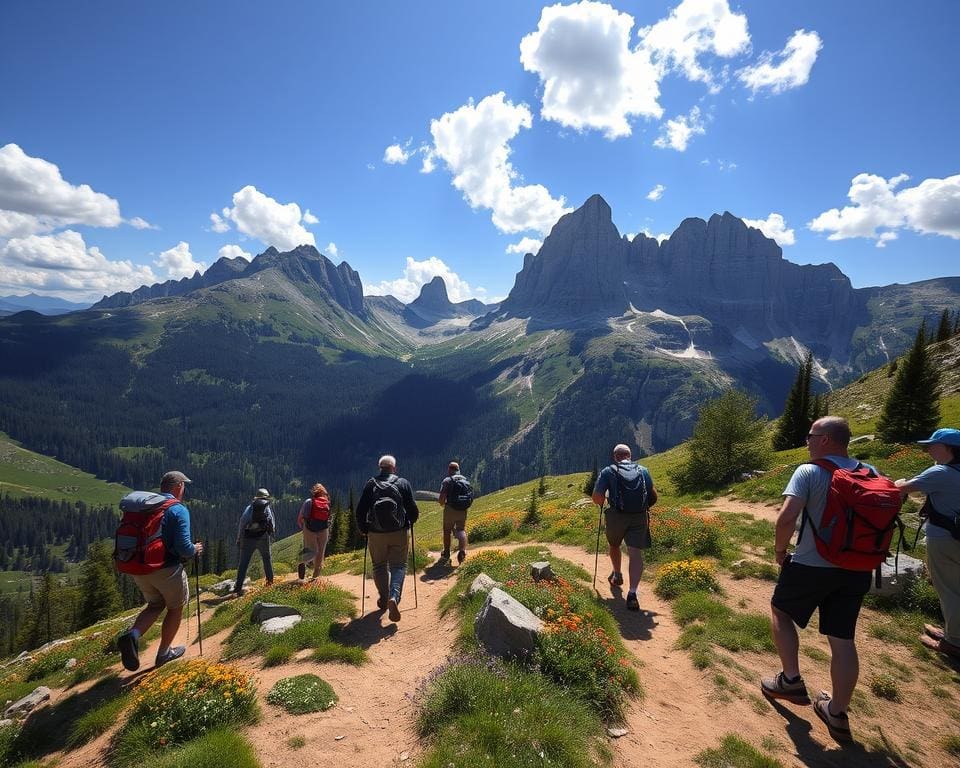
The Dolomites are among the most striking landscapes in Europe, a UNESCO-listed range of pale limestone towers and broad alpine meadows in northeastern Italy. For hiking in the Italian Alps, this region spans South Tyrol (Alto Adige), Trentino and Veneto, with gateway towns such as Cortina d’Ampezzo, Bolzano (Bozen), Brunico (Bruneck), Canazei and Ortisei (Urtijëi) offering access, transport and rifugio networks.
You will find remarkable variety on Dolomites hiking routes: gentle valley paths and cable-car-assisted rambles for relaxed days, classic ridge walks and panoramic hut-to-hut traverses for multi-day Dolomiti hikes, and via ferrata lines where fixed ropes reward those with climbing skills and equipment. The Italian Alpine Club (CAI) and local rifugio systems classify routes and maintain mountain huts for these options.
Timing matters. The prime months for Dolomites trekking run from June to September, though late snow can delay high passes in early June. October brings vivid larch colour but colder weather and shorter daylight. Mountain conditions can shift quickly, so consult meteorological data and local tourist offices before you set out.
This article will guide you through the best hiking trails Dolomites has to offer, detailing top routes, regional trail guides, trip planning and safety, plus practical tips on photography, wildlife etiquette and sampling local culture after a day on the trail. For landscape context and access information, refer to Dolomiti UNESCO and the Alto Adige, Trentino and Veneto tourism boards.
Dolomites hiking: top routes for breathtaking views
The Dolomites offer a mix of gentle walks and bold ridgelines that suit first-timers and hardened trekkers alike. You will find classic day routes that build confidence, panoramic ridge walks that reward photo-focused hikers, and longer multi-stage options for those seeking remote nights in rifugi. Practical details below will help you choose the best lines for your fitness and aims.
Classic treks for first-time visitors
Start with approachable day hikes Dolomites visitors rave about. The Tre Cime di Lavaredo loop is well signposted and takes about 3–5 hours with some rocky sections and moderate ascent. Seceda from Ortisei uses a cable car to cut the climb, then offers an easy ridge walk of 2–4 hours.
Lago di Braies (Pragser Wildsee) suits calmer days: short loops of 1–2 hours with minimal climb. These routes have clear paths, frequent rifugi for snacks, and lower exposure than technical climbs, so they make ideal introductions to alpine terrain.
Carry walking poles, sturdy boots and check hut opening times. Best months for these day hikes are June to September. Watch for lingering snow early in the season and for parking limits or shuttle schedules if you plan dawn starts.
Panoramic ridge walks and high viewpoints
For sweeping vistas, choose panoramic Dolomites trails on ridgelines and cols. Sunrise at Tre Cime brings a golden light across the southern faces. Seceda and Lagazuoi serve up broad panoramas and memorable alpenglow at sunset.
Photographers should use a wide-angle lens for ridgelines and a telephoto for distant peaks. Compose with a strong foreground such as alpine flowers or a weathered rock, and use trails or ridges as leading lines. Golden hour vastly improves colour and contrast.
Exposed sections can range from simple scrambling to secured via ferrata Dolomites routes. For via ferrata you will need a helmet, harness and a proper via ferrata set. Choose guided instruction if you lack experience on exposed steel cables and rungs.
Longer multi-day routes for experienced hikers
If you prefer multi-day Dolomites treks, plan for daily stages of 4–8 hours and nights in rifugi. Alta Via 1 and Alta Via 2 are classic hut-to-hut itineraries that showcase varied geology and valley views. Expect bunk rooms, communal evening meals and simple regional dishes such as polenta and hearty soups.
Packing for overnight treks requires layered clothing, a waterproof jacket, sturdy boots, map or GPS, headtorch, first-aid kit and spare socks. Bring cash for huts and a towel and coin for showers. Book popular rifugi well in advance during July and August.
Via ferrata Dolomites sections appear on some multi-day routes. These use steel cables, rungs and ladders on exposed faces and are not suitable for beginners without training. Local mountain guides and the CNSAS rescue advisories provide up-to-date safety advice.
Trail guides by region: Alta Badia, Val Gardena and Cortina
Plan your days by region to make the most of the Dolomites regions. Use public buses from Bolzano or Fortezza and seasonal Dolomiti Bus services to reach trailheads. Fly into Venice Marco Polo or Innsbruck and take a train or coach to valley towns for easy access to routes and accommodation.
Alta Badia: family-friendly and scenic loops
Choose Alta Badia hikes for gentle loops and high plateaux near Puez-Odle and Fanes-Senes-Braies Nature Park. Typical outings last 2–6 hours with elevation gain between 200 and 800m. Cable cars from Corvara and Colfosco cut steep approaches and open up short, safe trails for children.
Look for rifugi offering Ladin dishes such as canederli and casunziei. Local tourist offices in Corvara and La Villa list family routes, wildflower meadows and pastoral farm visits that link hiking with Ladin culture hikes.
Val Gardena: dramatic peaks and cultural stops
Val Gardena trails lead to Seceda and the Alpe di Siusi, with options from 1–3 hour scenic walks to full-day ascents of 6–8 hours. Expect 800–1200m gains on routes towards Sassolungo. Base yourself in Ortisei or Santa Cristina for quick access to lifts and local buses.
Combine walks with village stops to sample speck or visit craft shops and small museums. Guidebook routes show where steep scree or exposed ridgelines demand surefootedness. If you plan technical terrain, hire a certified UIAGM/IFMGA guide for safety and local knowledge.
Cortina d’Ampezzo: alpine classics and challenging ascents
Cortina hiking includes Tre Cime di Lavaredo, Tofane and Lagazuoi ranges. Expect longer, more technical days and via ferrata sections on Tofana di Rozes and Monte Cristallo that need helmets and harnesses. Typical summit routes can take a full day with significant exposure.
Use Cortina d’Ampezzo as your base for guided climbs or hut-to-hut itineraries. Check seasonal bus timetables and book rifugi in advance. Late June to mid-July brings peak wildflowers on lower pastures, while late September offers larch colour and fewer crowds.
For technical routes, consult regional guide associations and local tourist offices for up-to-date trail conditions. Plan around daylight, carry appropriate gear and consider guided options for via ferrata and steep ascents to keep your trip safe and rewarding.
Planning your Dolomites hiking trip: logistics and safety
Good planning makes the difference between a memorable traverse and a scramble you regret. Focus on Dolomites hiking planning early, check local forecasts and reserve key nights to keep your route flexible. Read regional notices from CAI and local park offices so you know about seasonal closures and restrictions.
When to go: seasonal considerations and weather patterns
Most high routes are reliably snow-free from July to September. Lower-elevation walks can open from late May. October offers strong autumn colour, yet you face a higher risk of early snow and some huts closing.
Dolomites weather can change quickly with altitude. Thunderstorms peak in hot afternoons in July and August. Start early for exposed ridgelines and consult mountain forecasts such as Meteo.it and regional services for up-to-date warnings.
Gear, navigation and preparation
Build a practical gear list Dolomites to match terrain and season. Key items include a waterproof jacket and trousers, layered clothing, hat and gloves for high passes, and sturdy boots with ankle support.
Carry trekking poles, a headtorch, first-aid kit, water treatment (tablets or filter), snacks and enough water. Use Tabacco or Kompass maps and a compass for navigation. Bring a GPS device or smartphone with offline maps from Outdooractive or Komoot for redundancy.
Understand trail markers. Look for CAI red-white signs and rifugio boards showing times in hours and minutes. Via ferrata routes use distinct markers and state required equipment and grade. Stay on marked trails and avoid unmarked shortcuts.
Safety, permits and mountain huts
Hiking safety Dolomites starts with knowledge of rescue procedures and suitable insurance. Dial 112 for emergencies. For specialised mountain rescue consult CNSAS guidance and ensure your travel insurance covers helicopter evacuation and guided-route assistance.
Most day hiking needs no permit. Some via ferrata or protected areas require seasonal limits. Check rules for Dolomiti Bellunesi and Fanes-Senes-Braies before camping or lighting fires.
Plan mountain hut booking Dolomites in advance for July and August and for busy routes like the Alta Via 1. Book by phone or online where available. Expect shared dormitories, set mealtimes and regional dishes such as polenta, speck and canederli at dinner, with simple breakfasts in the morning.
Tips to get the most from your hike: photography, wildlife and local culture
Start small each day to make the most of light and calm conditions. Aim to be on the trail at first light and again in the late afternoon for golden hour; these Dolomites photography tips help you capture ridgelines, foreground flowers and dramatic shadows. Use boulders or a winding path to lead the eye, shield gear with waterproof bags and pack silica gel to reduce condensation at altitude.
Match your shots to the season: late May–June brings snowfields and waterfalls, June–July shows wildflower carpets including gentians and edelweiss, and late September–October lights up larch forests in amber. Winter from November to April delivers stark snowscapes for ski touring. These seasonal cues also shape what you might see of Dolomites wildlife, so plan lenses and binoculars accordingly.
Observe animals from a distance and avoid feeding them. Look for alpine chamois (Rupicapra rupicapra), marmots, golden eagles, ptarmigan and alpine butterflies, using binoculars or a telephoto lens rather than disturbing their routines. Follow alpine etiquette: stay on waymarked trails to protect limestone and meadows, take all litter home, and never pick protected plants such as edelweiss.
After a long day, reward yourself with regional food and recovery at local spas. Try speck, canederli, polenta with mushroom or venison ragù, casunziei in Alta Badia and local cheeses followed by apple strudel in a rifugio or village restaurant. For relaxation, seek out QC Terme Cortina where available, thermal centres around Bressanone/Brixen, or village wellness facilities in Ortisei, Corvara and Cortina d’Ampezzo. Embrace local customs, visit Ladin museums and artisanal shops to round out your sense of Dolomites culture, and leave every place as you found it for others to enjoy.