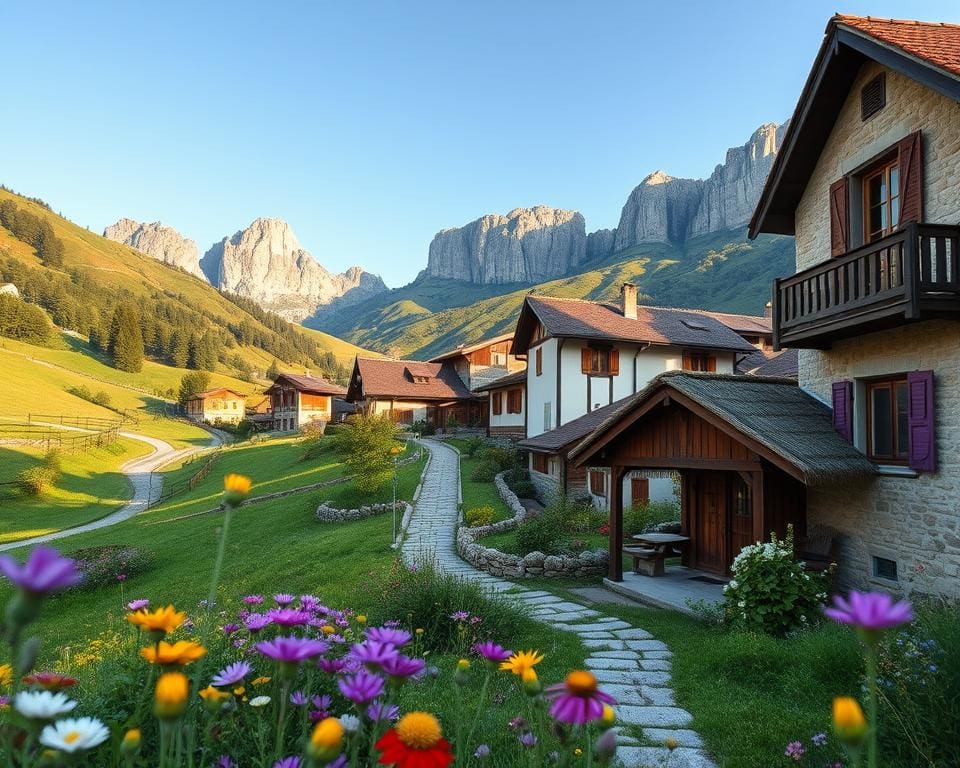

Slovenia rewards visitors who step beyond Ljubljana, Bled and Piran. In this guide you will find the most beautiful hidden villages in Slovenia, chosen for scenery, culture and tranquillity rather than crowds.
Compact and varied, Slovenia packs the Julian Alps, the Karst plateaux, Vipava Valley, Goriška Brda and the Prekmurje plain into a small area. That variety means Slovenia villages can feel like different countries: alpine hamlets of timber and stone, karst settlements near caves, and lowland villages with vine terraces.
For UK travellers the appeal is practical. Short flights land in Ljubljana or nearby Trieste, car hire is straightforward, and driving distances are short enough to link several places in a week. Roads are generally well maintained, though you may encounter narrow mountain lanes on some routes.
This article will show you why hidden villages Slovenia are worth seeking out. You will learn which of the best villages in Slovenia suit your interests—whether you want alpine views, karst wonders or living traditions—and pick up maps, itineraries and seasonal tips for authentic Slovenian rural escapes.
Discover Slovenia villages off the beaten path
Slovenia rewards travellers who leave the tourist routes. You will find stone houses in the Karst and hayrack barns in alpine valleys. Many hamlets keep old farming ways, quiet lanes and views that suit photography, walking and birdwatching.
Why seek out hidden villages in Slovenia
You go to hidden Slovenia villages for authenticity. Local craftspeople and small-scale producers make honey, wine from Brda and Vipava, and cured meats that tell a region’s story.
Rural Slovenia travel brings tranquillity. Remote settlements offer uninterrupted mountain vistas and forested paths. You will meet fewer visitors and find lower prices than in busy European spots.
Community life is easier to access here. Festivals, artisan workshops and village markets let you speak with makers and taste seasonal dishes.
Best seasons to visit for scenery and events
Spring, from April to June, is excellent for wildflowers and mild walking weather. Easter markets and small spring festivals appear in several regions.
Summer, July and August, gives long daylight and warm days for high trails and alpine pastures. Village saints’ days and summer festivals draw crowds so book early.
Autumn, September and October, is harvest time. Chestnut and grape festivals are common. Vineyards and woodlands show strong autumn colour, ideal for food and wine experiences.
Winter, November to March, turns alpine villages into picture-postcard scenes. Snow makes for cosy homestays and cross-country options. Be aware that some remote services close in the low season.
How to travel between villages: transport and distances
Renting a car from Ljubljana, Maribor or Trieste gives the most freedom. Slovenia’s compact size means most villages sit within one to three hours of a regional hub. Mountain roads can be narrow and winding so factor in extra time when driving in Slovenia.
The bus network links many towns and larger villages. Final connections to tiny hamlets often need a taxi or local minibus with limited timetables. Trains cover key corridors but not every rural route.
Cycling and walking suit regions such as Goriška Brda and the Soča Valley. E-bike hire is growing in tourist towns and waymarked trails connect many settlements. For getting around Slovenia, carry local timetables and an offline map or GPS for areas with poor signal.
- Sample drive times: Ljubljana to Bohinj or Kranjska Gora ~1–1.5 hours.
- Ljubljana to Koper or Škocjan Caves ~1–1.5 hours.
- Ljubljana to Prekmurje ~2–2.5 hours.
Picturesque Alpine and Karst hamlets to explore
Slovenia hides a patchwork of small settlements that suit walkers, food lovers and anyone who enjoys quiet views. You will find wooden chalets with carved balconies in high valleys and stone houses on limestone plateaux. These hamlets make ideal bases for short walks and longer routes through national parks.
In the Julian Alps and around Triglav National Park, traditional wooden houses with steep roofs and stone foundations create a distinctive look. You can spot hayracks (kozolec) in nearby fields and slate-roofed chapels in village squares. Villages around Bohinj and Kranjska Gora serve as starting points for hikes, mountaineering and panoramic drives such as the Vršič Pass.
Look for guesthouses and farm stays that list mountain guides and local produce. Trails often begin at the village square or a nearby car park, making short outings easy to plan. Slovenia mountain villages work well for gentle acclimatisation before tougher summits.
Karst region charm: caves, limestone and seaside proximity
Karst villages display dry-stone walls, compact stone houses and terraced vineyards. The geology produces sinkholes, underground rivers and famous caves like Postojna and Škocjan, which you can visit with a guide. Caving tours come with safety briefings and conservation rules, so follow instructions to protect fragile formations.
Near the coast, you will find olive groves and wines shaped by karst soils. Piran and other coastal towns allow you to combine cave visits with time by the sea. Karst villages Slovenia offer a mix of underground wonder and Adriatic calm.
Suggested day trips from major towns
If you base yourself in Ljubljana, you can reach Postojna Cave and Predjama Castle in about 1 hour. A half-day trip works well if you leave early. For medieval streets and rural hamlets, drive 30 minutes to Škofja Loka and wander its timber-framed lanes.
From Bled, short drives take you to Triglav foothill villages and Vintgar Gorge. A morning at the gorge and an afternoon in a lakeside hamlet make a balanced day. From Koper or Piran on the coast, you can reach Sežana and Štanjel in roughly 40–60 minutes. These Karst villages Slovenia pair well with wine routes in Brda when you start from Nova Gorica.
Travel from Maribor to Styrian villages for vineyards and thermal spas in about 30–60 minutes. If you plan day trips from Ljubljana to mountain areas, allow 1–1.5 hours to reach Lake Bohinj or the Kamnik–Savinja Alps. Each route supports a simple schedule: arrival, a main sight, a local eatery or gostilna for lunch, then a short walk before you return.
Villages with rich traditions and cultural experiences
Slovenia’s rural communities invite you to immersive experiences where heritage meets daily life. In cultural villages Slovenia you will find seasonal markets, craft demonstrations and community celebrations that reveal local rhythms.
Local festivals, crafts and seasonal markets
Attend a patron saint day, a harvest trgatev or a chestnut fair and you will see how Slovenia village festivals keep customs alive. Events often include live folk music, dances and simple competitions that draw all ages.
Artisans present beekeeping practices, wood carving, pottery and traditional costume work. Many villages run small cooperatives where you can buy honey, cheese and handcrafted items direct from makers.
Plan visits for late summer and autumn to catch the biggest fairs. Check municipal calendars and local tourist offices for exact dates. Read about the emotional pull of village fêtes at village fete traditions.
Authentic homestays and traditional cuisine
Choose from farm stays, family-run pensions and restored stone cottages to experience homestays Slovenia. Hosts often serve home-cooked meals and invite guests to join simple farm tasks or kitchen preparations.
Expect regional dishes such as jota, idrijski žlikrofi and kranjska klobasa alongside local cheeses and coastal seafood. Small wineries in Brda and the Vipava Valley welcome pre-booked tastings and cellar tours.
Contact hosts directly for dietary needs and out-of-season bookings. Many will prepare packed lunches for your hikes and recommend nearby village markets for fresh produce.
Visiting churches, museums and living heritage sites
Small village churches contain frescoes, carved altars and bell towers that double as viewpoints. Respect local customs: dress modestly, ask before photographing and seek permission to enter private spaces.
Regional museums in places such as Škofja Loka and Idrija explain mining, craft and rural life. Living traditions—folk music, dance and culinary practices—are best experienced through workshops, festivals and community programmes.
When you visit heritage sites Slovenia, engage with guides and volunteers to hear stories that tie the past to present life. These encounters strengthen community bonds and leave lasting memories for both residents and visitors.
Planning your visit: practical tips, maps and itineraries
When you plan a Slovenia villages itinerary, start by choosing entry points that suit your route. UK travellers usually fly to Ljubljana Jože Pučnik Airport or use Trieste in Italy and transfer by car or bus. Consider Eurail or regional trains for parts of the trip. If you drive, buy a motorway vignette, check fuel availability in rural areas and ensure navigation maps are current. In winter, fit winter tyres or carry snow chains.
Carry euros and some cash for remote inns and village shops, although card acceptance is improving. Slovenian is the official language, but English is widely spoken in tourist spots and among younger hosts; learning a few basic Slovenian greetings will be appreciated. For safety, pack a small first-aid kit, check mountain weather forecasts and tell hosts or park offices your planned routes.
Use Slovenia Tourist Board resources and local municipal sites for timetables and events. Download offline maps with Google Maps, Komoot or Maps.me and carry paper maps for high trails. Book guesthouses, homestays and guided activities well ahead for summer and festival periods. Local guides add value for cave visits, mountaineering and food or wine tours.
Choose an itinerary that fits your time: a 3-day sample can base you in Ljubljana or Bled and cover Škofja Loka, Bohinj and Postojna Cave. A 7-day plan allows Julian Alps villages, Karst and Brda wine country plus Piran. For slow travel, a 10–14 day loop spans Prekmurje, the central Alps and coastal villages with multiple homestays. Use a Slovenia village map and Slovenia rural itineraries to pace each day, and keep a flexible plan so you can linger where you most enjoy the local colour.