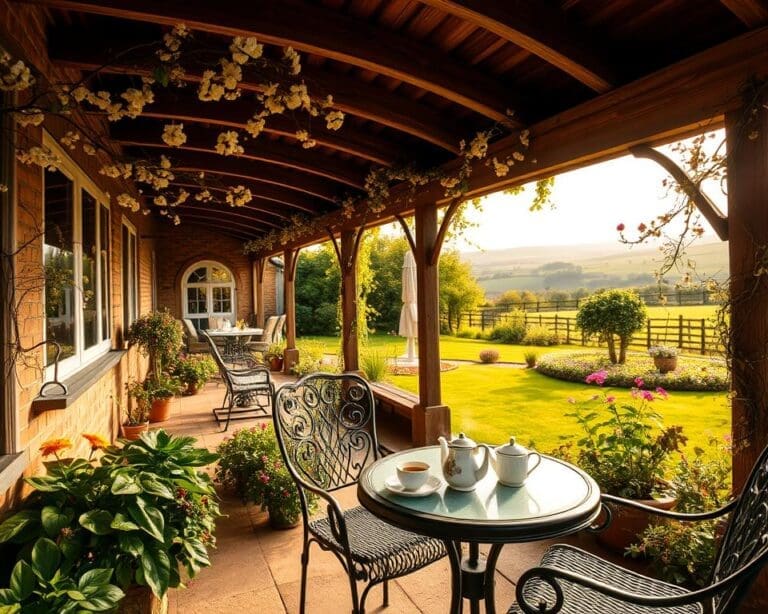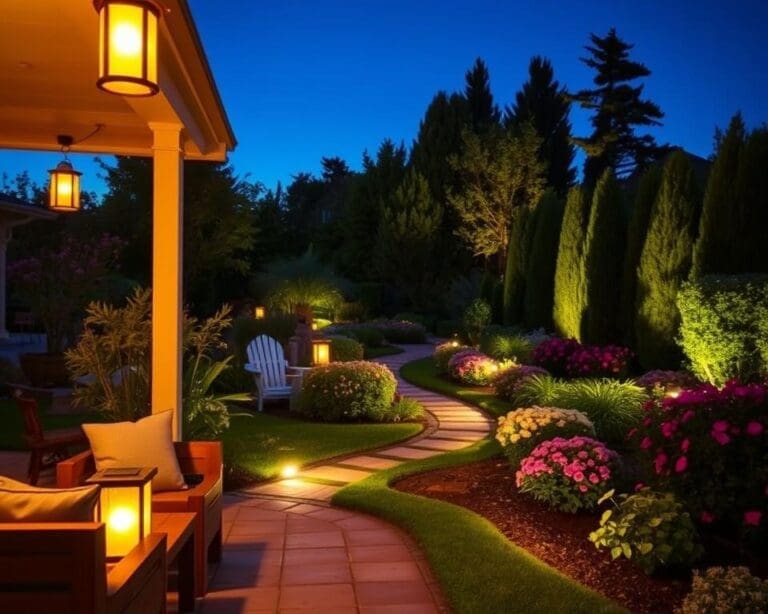
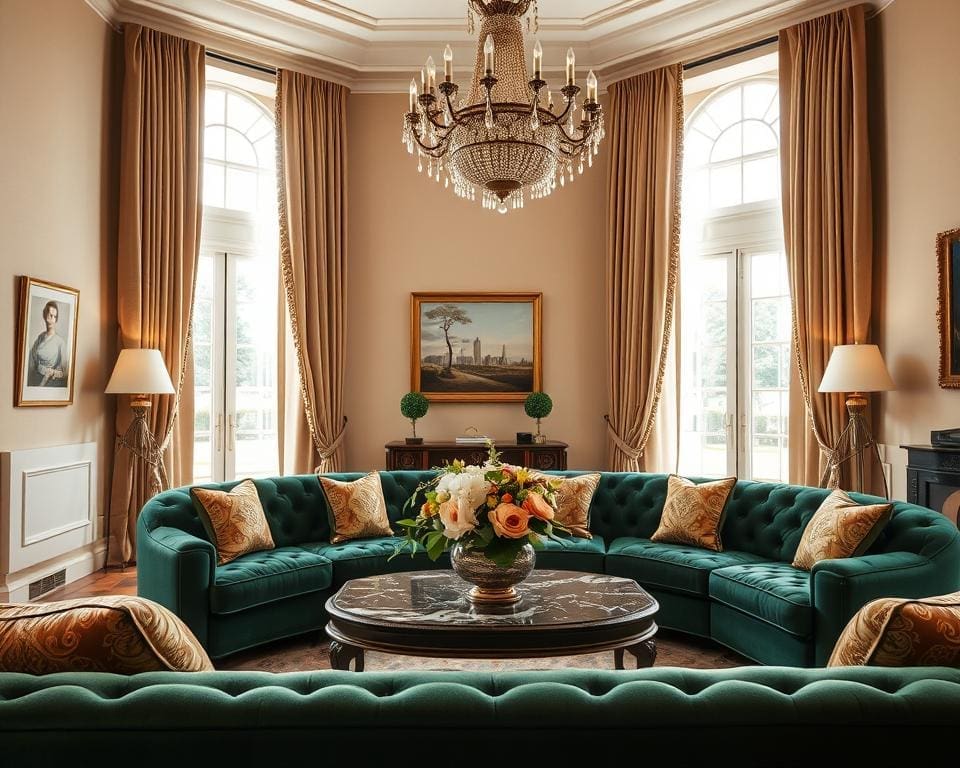
Luxury at home is less about price tags and more about purposeful choices. You can make your home feel more luxurious by focusing on material quality, lighting, layout and finishing touches that work together to elevate home ambience.
Think of luxury as an experience: comfort, visual harmony and tactile richness. Research in environmental psychology shows that well-lit, decluttered and coherently styled rooms reduce stress and increase perceived value. Attend to sight, touch, smell and sound and you will notice the difference.
Use a tiered, value-led approach to apply opulent home tips at any budget. Small swaps — new cabinet hardware, fresh skirting, or better cushions — deliver quick wins. Medium investments might include improved lighting schemes and upgraded textiles. Larger works, such as replacing flooring or installing bespoke joinery, create lasting impact.
British homes have distinct features and constraints. For Victorian and Georgian properties, retain period detail and add sympathetic finishes. In terraced or semi-detached houses and modern flats, focus on spatial flow and light. If you live in a listed building or conservation area, favour reversible interventions to protect character while you elevate your space.
Across the article you will find practical, actionable luxury home ideas to transform your rooms. By the end you’ll have clear steps to make home feel luxurious, whether through careful materials, layered lighting, a cohesive palette, or curated accessories.
Luxury home ideas to elevate your living space
Investing in visible surfaces gives the biggest return when you want to lift a room’s feel. Choose premium materials for floors, worktops and joinery so the overall impression reads as thoughtful and enduring. A single standout item, such as marble countertops or new hardwood flooring, will change how you experience a space.
Invest in high-quality materials and finishes
Prioritise durable, high-grade finishes where they show most. Oak or walnut hardwood flooring and engineered boards wear well and add warmth underfoot. For kitchens and fireplaces, honed marble countertops or bookmatched quartzite create an immediate sense of luxury.
Choose solid-brass or satin-brass taps and brass fittings from trusted makers to lift kitchens and bathrooms. Soft-close drawers, concealed hinges and bespoke joinery by a local cabinetmaker give everyday use a refined feel. Use professional paints such as Farrow & Ball schemes or Little Greene for deeper, lasting colour on skirtings, architrave and mouldings.
Layer lighting for ambience and function
Good lighting relies on three tiers: ambient lighting for general use, task lighting for cooking and reading, and accent pieces to highlight art or architecture. Layered lighting creates depth and drama while keeping spaces practical.
Fit recessed downlights for even ambient light and under-cabinet LEDs for worktops. Add adjustable wall lights at bedsides and pendant lights over islands. Choose a statement chandelier in an entrance hall to define the space. Put dimmer switches on circuits so you control mood with a touch.
Use warm white bulbs (2700–3000K) and high CRI lamps so colours of fabrics and finishes read true. Consider smart systems such as Philips Hue or Lutron for scene-setting and remote control, mindful of UK IP ratings in bathrooms and kitchens.
Create a cohesive colour palette
Keep your colour story restrained so materials and furnishings can stand out. A cohesive colour palette built from neutral luxury colours—stone, taupe or greige—gives a calm, sophisticated backdrop. Add one or two accent colour schemes to give personality without overwhelming the eye.
Try deep tones like ink blue or forest green on a feature wall or painted joinery paired with metallic accents such as brass. Use Farrow & Ball sample pots to test shades in natural light and carry key tones between rooms for flow. Paint trims in a slightly darker or complementary shade to add depth.
Add tactile textures and soft furnishings
Texture signals comfort and craft. Layer tactile textures—smooth marble versus nubby linen—and introduce luxury soft furnishings to complete the look. Choose velvet or leather for upholstery and add wool rugs to anchor seating areas and soften acoustics.
Build depth with cushions and throws in mixed scales and fibres. Full-length curtains in heavy linens or silk blends hung high and wide make ceilings appear taller. Invest in high-grade, easy-care fabrics with good Martindale ratings for sofas and use professional cleaning to preserve delicate pieces.
- Focus spend on one or two impact items such as a worktop, front door or floorboards when on a budget.
- Repeat accent hues in cushions, throws and smaller accessories to harmonise rooms.
- Choose statement pieces from reputable suppliers like John Lewis & Partners and trusted fabric houses such as Romo or Designers Guild for provenance.
Practical styling and layout strategies for a more opulent home
To make your rooms feel deliberately luxurious, focus on how items are placed, their scale and how you edit what you keep on show. Thoughtful furniture placement and correct furniture scale improve flow, create a clear focal point and make spaces feel larger. Use a few measured styling tips to lift a scheme without cluttering surfaces.
You can centre seating around a focal point such as a fireplace, a view or a large artwork. Leave clear circulation routes of around 45–60 cm so people can move freely. Avoid lining every piece against a wall; instead form intimate groupings that encourage conversation and show balance and proportion.
Match scale to room size. Choose oversized sofas for large reception rooms and compact modular seating for city flats. Define zones in open-plan spaces with area rugs and low shelving. When you change one major piece, reassess room layout tips so the whole composition feels cohesive.
Symmetry reads as formal and expensive. Try paired lamps, matching side tables and mirrored arrangements to add gravitas. Asymmetry gives a curated, lived-in mood. Combine both approaches: keep a symmetrical core and add one or two asymmetric accents for interest.
To declutter home and keep surfaces calm, adopt simple storage solutions. Bespoke joinery and made-to-measure furniture conceal everyday items and raise finish quality. Built-in cupboards, under-stair storage and ottomans with hidden lids are practical ways to hide cables, chargers and paperwork.
Curate displays with restraint. Group objects in odd numbers, vary heights and textures, and leave breathing space around standout items. Use trays to organise small pieces and rotate displays seasonally. Thoughtful display styling lets artisan pieces and personal collections read as intentional rather than accidental.
Practical rules help maintain a polished look. Mount TVs at eye level and keep a minimum gap for circulation. Plan for multi-functional layouts with freestanding furniture you can reconfigure. Label boxes, keep a linen closet and create a charging drawer to prevent everyday items spilling onto surfaces.
Bespoke and personalised elements elevate a scheme. Commission made-to-measure furniture, fitted wardrobes or media-wall joinery for a perfect fit. Local British cabinetmakers and upholsterers can deliver superior finish and provenance. Small custom touches often make a house feel thoughtfully considered and uniquely yours.
When you brief a maker, be clear about timelines, materials and finishes. Agree on warranties and measurements to avoid surprises. Commissioning local artisans for bespoke upholstery or artwork adds character and supports craft skills while ensuring your personalised interiors last for years.
Finishing touches: accessories, technology and maintenance
Thoughtful luxury home accessories bring a scheme to life. Use artworks, decorative objects, a handful of books and curated trays to punctuate surfaces, but edit ruthlessly to avoid clutter. Invest in original art or limited-edition prints and hang pieces at eye level; large mirrors in antique or gilt frames will amplify light and create depth while adding classic character.
Scent layering and sound are subtle ways to enhance atmosphere. Choose high-quality diffusers or candles from Jo Malone or Culti Milano for consistent scent layering, and pair these with discreet audio from Sonos or Bowers & Wilkins to set mood without intrusion. These final touches make rooms feel considered and welcoming.
Smart home technology should be understated yet reliable. Opt for smart thermostats such as Nest or Hive, motorised blinds, app-controlled lighting and integrated audio with concealed charging points. Professional installation and attention to compatibility will ensure the systems deliver convenience and maintain perceived value over time.
Regular home maintenance protects your investment. Schedule servicing for boilers and HVAC, arrange professional cleaning for upholstery and rugs, re-seal natural stone and carry out timely paint touch-ups. Plan seasonal refreshes—swap cushions and throws, rotate artwork and add fresh flowers—and map larger upgrades over time. Start with a clear brief of your priorities, style preferences and budget tiers, and consult qualified interior designers or chartered surveyors for major alterations to ensure compliance with UK building regulations and best return on investment.