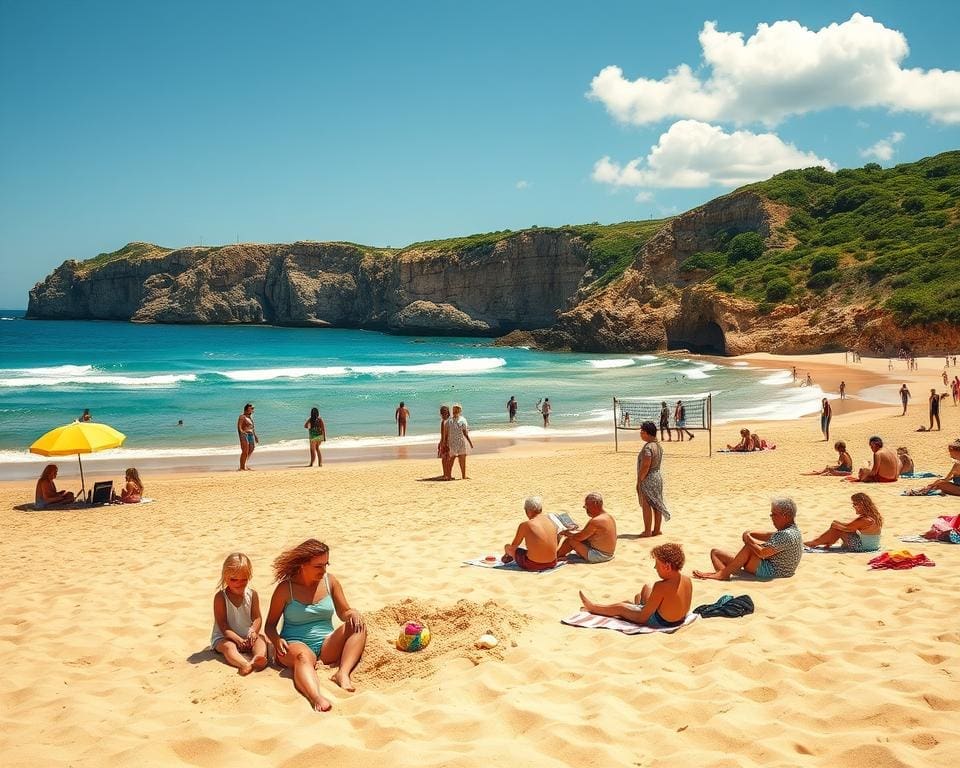

If you are planning a sun-soaked escape, this guide to Spain beaches helps you choose the right shore for your summer plans. You will find practical advice on accessibility, climate and the kind of experience you want—whether that is family-friendly promenades, lively beach bars or quiet coves.
Spain offers a huge variety of coastline, so the top beaches in Spain range from long blue-flag sands to small rocky inlets. This article gives a tour of the Mediterranean, Atlantic and island coasts, plus the best Spanish beaches for swimming, surfing and snorkelling.
You will learn when to visit each region, travel logistics from UK airports such as London and Manchester, and safety and sustainable travel tips. Expect clear guidance on summer beaches Spain and a mix of well-known favourites like Costa del Sol, Costa Blanca and Ibiza, alongside hidden coves and quieter spots—see a useful example of secluded shores near Alicante for inspiration hidden beaches near Alicante.
Throughout the piece you will find recommendations for beaches to visit in Spain, packing and safety notes, and activity suggestions from snorkelling to paddle boarding. Use this short guide to narrow down the best Spanish beaches for your holiday and then dive into the region-by-region details that follow.
Spain beaches: must-visit coastal destinations for your summer getaway
Spain’s coastline offers startling variety. You can pick sun-soaked bays with calm water, windswept cliffs with strong surf or volcanic shores with striking sand colours. Knowing the different regions helps you choose a beach that matches your mood and plans.
Overview of Spain’s coastal variety
The Mediterranean mainland runs along the east and south-east. Expect fine golden sand, gentle seas and developed promenades on stretches such as the Costa Blanca and the Costa del Sol. These Mediterranean beaches Spain suit families and sunseekers who favour easy access and facilities.
The Atlantic north, including Galicia, Asturias and Cantabria, feels wilder. Rugged cliffs, rock pools and stronger surf define many Atlantic beaches Spain. You will find dramatic coastal walks and quieter, less built-up shorelines.
The Balearic Islands—Mallorca, Menorca, Ibiza and Formentera—serve up crystalline water and sheltered coves. Balearic beaches are ideal for snorkelling, small boat trips and calm afternoons in hidden bays.
The Canary Islands sit off West Africa and show volcanic diversity. Canary beaches range from black volcanic sand to pale quartz, with year-round warmth and microclimates that change between islands.
Protected areas matter for wildlife and visitors. You may encounter Posidonia meadows around the Balearics or the rugged reserves of Cabo de Gata-Níjar in Andalucía. These zones often carry regulations to protect biodiversity and preserve beach features Spain for future visitors.
What to look for when choosing a beach
Start with sand and water quality. Fine, golden sand such as La Concha in San Sebastián or Playa de Muro in Mallorca feels different to pebble beaches or volcanic sands on some Canary islands. Clear water helps for snorkelling and scenic swimming.
Check safety features before you swim. Lifeguards, flag systems and local signage keep you informed. Learn the EU emergency number 112 and respect red flags and posted warnings to stay safe on Atlantic or Mediterranean shores.
Look for facilities that make a day easier. Accessible walkways, adapted showers, restrooms, baby-changing spaces and chiringuitos matter if you travel with family or need disabled access. Transport links and parking shape how simple your visit will be.
Think about activities you want. Watersports such as paddleboarding, kite-surfing and jet-skiing are common on busy Mediterranean stretches. For diving and marine life, spots like the Medes Islands or the Cabrera archipelago are strong choices.
Best times to visit each coastal region
Mediterranean coasts reach peak crowds in July and August. If you prefer fewer people, aim for May, June, September or October. Sea temperatures stay comfortable in shoulder seasons and you keep good weather without the busiest weeks.
The Balearic Islands mirror the mainland but Ibiza peaks with a lively night scene in July and August. May, June and September give you calm bays and warm days while avoiding the party crowds.
Atlantic northern Spain offers its warmest, sunniest weather in July and August. Water stays cooler than the Mediterranean. Late spring and early autumn can be perfect if you want mild weather for coastal walking and fewer visitors.
The Canary Islands deliver sun through the winter months. December to February are popular with UK travellers seeking warmth. Note island microclimates: southern Tenerife tends to be drier and sunnier than the northern side.
Top Mediterranean beaches for sun, sand and clear water
You will find a rich choice of shorelines along Spain’s Mediterranean coast. Pick a base that suits your pace, from lively promenades to tucked-away coves with glassy water. Timing, transport and a little planning will help you enjoy the best of Mediterranean beaches Spain.
Costa Brava highlights
North-east of Barcelona, the Costa Brava is famed for dramatic coves and rugged cliffs. Clear water makes many inlets ideal for snorkelling and kayaking.
Standout spots include Cala Sa Boadella near Lloret de Mar, Aiguablava in Begur and Platja de Castell at Palamós. Walk parts of the Camí de Ronda to move between small bays.
Base yourself in Girona or towns such as Begur, Tossa de Mar or Cadaqués for easy access. You can reach many coves by car, regional train or local bus. July and August are busiest, so consider late May, June or September for quieter visits.
Several coves sit within protected coastal zones, so bring water and provisions for less-serviced beaches and follow marine protection rules. For more hidden beach ideas, see hidden beaches in Europe.
Costa Blanca and Costa del Sol favourites
Your choices range from family-friendly sands to beach clubs and long promenades. The Costa Blanca in Alicante province has palm-lined seafronts and sheltered bays.
Must-visit shores include Playa de San Juan in Alicante, Cala Finestrat in Benidorm and Playa de la Granadella in Jávea, each offering clear water for snorkelling. Direct flights from the UK make these easy to reach.
The Costa del Sol around Málaga offers long beaches with strong tourist infrastructure. Try La Malagueta in Málaga, Playa de Burriana in Nerja and Playa de Cabopino in Marbella for a balance of family amenities and lively spots.
Choose to stay near a city centre such as Málaga if you want culture alongside sun. Pick resort towns for immediate beach access. Local Cercanías trains and buses connect coastal towns, and you will find options for both family-friendly stretches and evening entertainment in places such as Puerto Banús and parts of Benidorm.
Balearic Islands: Ibiza, Mallorca and Menorca
The Balearic Islands blend vibrant nightlife with serene coves and clear seas. Ferries link the islands to mainland ports, while Palma and Ibiza Town provide the best flight connections from the UK.
Ibiza is more than clubs. Seek quieter coves on the north and east coasts, such as Cala Llenya and Cala Nova. You can hop by ferry to Formentera for the celebrated white sand and turquoise water of Playa de Ses Illetes. Ibiza beaches reward calm exploration away from the busiest strips.
Mallorca offers varied shores, from long sands at Playa de Muro and Alcúdia to cliff-backed coves like Cala Deià. Alcúdia and Port de Pollença have good family facilities. Hiking and boat trips along the Serra de Tramuntana add variety for active travellers.
Menorca is prized for tranquillity and unspoilt bays. Consider Cala Macarella, Cala Mitjana and the wide beach at Playa de Son Bou. Menorca’s biosphere reserve status protects dunes and endemic species, so travel sensitively and follow local guidance. Rental cars are useful for island exploration, though seasonal buses provide reliable connections.
Across the islands you will encounter distinct Balearic beaches, from busy Ibiza beaches to peaceful Mallorca beaches and the sheltered Menorca beaches that highlight the archipelago’s diversity.
Atlantic and Canary coastlines for dramatic scenery and warmer water
The Atlantic side of Spain and the Canary Islands offer a contrast to the Mediterranean. You will find sweeping sandbars, dramatic cliffs and sheltered coves that suit walkers, families and watersport fans. Read on for practical tips to help you plan island hops, surfing days and coastal walks.
Galicia and northern Spain beaches
Galicia beaches sit on a rugged Atlantic coast defined by rías, rocky headlands and wide sandy bays. Places such as As Catedrais in Ribadeo show sculpted rock arches that are best visited at low tide. Playa de la Lanzada and the Rías Baixas coastline pair good swimming with excellent seafood and coastal paths.
Surfing Spain in the north is popular at spots like Mundaka and Somo, where strong Atlantic swells create world-class breaks. Water is cooler than the Mediterranean, so pack a wetsuit for longer sessions. July and August bring the warmest sea temperatures, while shoulder seasons reward you with quieter beaches and local festivals.
Canary Islands: year-round warmth
The Canary Islands beaches vary from volcanic black sand to pale quartz shores. Tenerife offers Teide’s lunar slopes and sunnier southern resorts such as Los Cristianos. Gran Canaria has the Maspalomas dunes and family-friendly Playa de Amadores.
Lanzarote’s volcanic beaches and Timanfaya landscapes feel otherworldly. Fuerteventura serves long white-sand stretches and strong winds that suit windsurfing and kitesurfing. You will find naturist-tolerant coves and sheltered bays for children.
Activities include diving, guided hikes in Teide National Park and wind sports around Corralejo. Strong solar exposure means you must use high-factor sun protection even when sea breezes make the air feel cool.
Practical travel advice for Atlantic and island destinations
Direct flights operate from London, Manchester and regional UK airports to Tenerife North and South, Gran Canaria, Lanzarote and Fuerteventura. Ferries link some islands and the mainland but expect longer crossings and limited timetables; book early in high season.
Transfer times from airports to resorts commonly fall between 30 and 90 minutes. You should consider pre-booking transfers or hiring a car for flexibility, especially on islands where public transport is sparse.
Packing should reflect variable conditions: layerable clothing for Atlantic breezes, a wetsuit or rash vest for northern waters and robust sun care for Canary Islands beaches year-round. For calmer seas and warmer water on the Atlantic coast, target high summer; choose the Canaries for winter sunshine and fewer crowds.
Planning your beach trip: tips for a safe and memorable summer holiday
Before you head to the sand, plan for sun and sea hazards. Use high-factor sunscreen (SPF 30+), reapply every two hours and wear a hat, sunglasses and lightweight cover-ups. Stay hydrated by carrying a refillable water bottle and avoid alcohol during the sunniest hours. These simple steps form the backbone of beach safety Spain guidance and help you enjoy long days outdoors.
Learn the flag systems and local signs at each beach. Many Spanish shores use green, yellow and red flags to show bathing conditions, but municipal variations exist, so always check the lifeguard station. Watch for rip currents—look for discoloured water, a channel or a gap in breaking waves; if you are caught, swim parallel to the shore and signal for help. Keep emergency contacts to hand: dial 112 anywhere in Spain for fire, police and medical aid, and note lifeguard station numbers where posted.
Choose accommodation and timing to match your priorities. Opt for smaller towns, rural fincas in the Balearics or family-friendly resorts on the Costa Blanca to find quieter beaches and better value. Travel early or late in the season to avoid peak prices, and book ferries, inter-island transfers and popular chiringuitos in advance. Use Cercanías trains around Málaga, Alicante buses or Mallorca public buses to reduce parking stress and enjoy more relaxed days on the coast.
Respect the coastline and wildlife with practical, responsible steps. Follow leave-no-trace practice by taking litter home or using bins, avoid walking on dunes, and respect Posidonia meadows by using designated moorings. Support local businesses by eating at family-run chiringuitos and hiring licensed guides for snorkelling, diving or wildlife trips. For packing for Spain beach holiday, include reef shoes, a basic first-aid kit, photocopies of travel documents, EHIC/GHIC cards and a power adaptor. These choices help with beach conservation Spain and promote responsible tourism Spain while keeping your holiday safe and memorable.