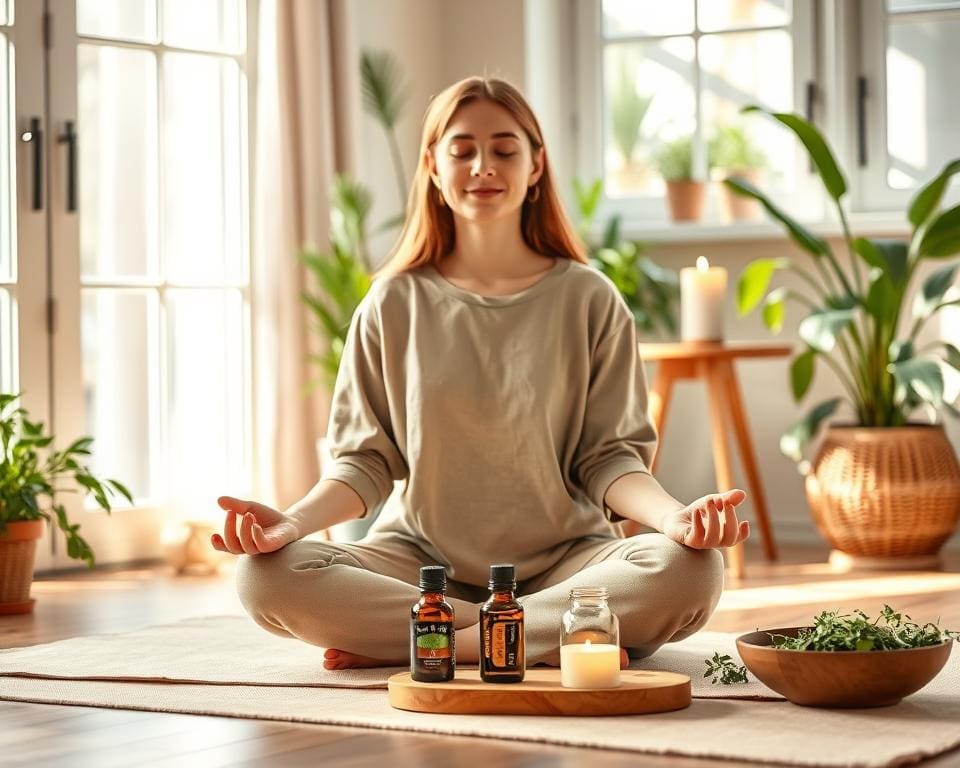

Reducing stress naturally means using non‑pharmacological, everyday strategies to lower both the physical and psychological reactions your body makes to pressure. You can use breathing, movement, sleep hygiene and simple lifestyle choices to calm the nervous system and support long‑term wellbeing. These approaches offer natural stress relief and often complement medical care rather than replace it.
Chronic stress raises your risk of heart disease, weakens immune function and disturbs sleep. It can also make anxiety and low mood worse. Learning how to reduce stress improves mood, sharpens thinking and strengthens relationships, so it pays off for both short‑term comfort and long‑term health.
Stress starts when the sympathetic nervous system kicks in and hormones such as cortisol rise. Simple practices change that biology. Slow breathing and mindfulness stimulate the parasympathetic system; regular exercise lowers baseline cortisol and boosts endorphins and brain‑derived neurotrophic factor. This is the physiology behind many effective wellbeing tips.
There is robust evidence supporting natural stress relief. Guidance from NHS.uk and recommendations from NICE highlight psychological therapies, activity and sleep as core tools. Meta‑analyses show clear benefits from mindfulness, aerobic exercise and improved sleep for anxiety and stress symptoms.
If you live in the UK, many stress management UK resources are low cost or free. The NHS website, local parks, community groups and leisure centres can all help you adopt practical habits. For talking therapies, Improving Access to Psychological Therapies (IAPT) offers a route to assessment and support.
Seek medical help if stress is persistent, stops you functioning, or comes with suicidal thoughts or severe physical symptoms. Contact your GP, NHS 111 or emergency services in a crisis. For worsening anxiety or depression, ask about referral to IAPT for formal assessment and treatment.
Practical daily habits to reduce stress naturally
You can reduce daily stress by building small, reliable habits. Short practices for attention, movement and sleep add up. Start with simple steps you can repeat each day and use tools available in the UK to keep on track.
Mindfulness and breathing techniques
Try guided mindfulness exercises for beginners such as a 10–20 minute body-scan, 5–10 minutes of mindful eating, or short meditations of 3–10 minutes. Apps found in the NHS Apps Library, Headspace, Calm, Mindfulness UK and the Oxford Mindfulness Centre offer accessible sessions you can follow.
Use breathing exercises for stress like box breathing (inhale 4s, hold 4s, exhale 4s, hold 4s), 4-7-8 breathing and diaphragmatic breathing. Practise seated with a straight back. Start with 2–5 minutes and slowly increase. Calm breathing techniques raise vagal tone, slow heart rate and can lower cortisol.
Build a daily mindfulness routine that fits your life: a 5-minute breath awareness on waking, a 5-minute mindful walk at lunch and a 5–10 minute body-scan before bed. Use habit cues such as after brushing teeth or during your commute and record progress in a simple diary or an app.
Physical activity and movement
Choose activities that suit you: brisk walking, cycling or swimming for aerobic impact, yoga for stress and mind–body calm, plus resistance training benefits for mood and sleep. Even short sessions reduce tension and improve confidence.
Follow the activity guidelines UK recommendation of 150 minutes of moderate activity a week or 75 minutes of vigorous activity, and include strength work at least two days. Short 10–20 minute bouts still give measurable relief from stress.
Fit movement into a busy day with walking for stress relief on breaks, cycling to work, standing meetings, stairs and short home circuits. Use NHS Couch to 5K, parkrun or local leisure centre classes to keep things varied and social.
Sleep hygiene and rest strategies
Set a consistent bedtime routine and wake time to improve sleep quality. Create a 30–60 minute wind-down: dim lights, avoid screens, read, take a warm bath or stretch gently. These sleep hygiene tips help you fall and stay asleep.
Adjust bedroom light, temperature and noise: aim for about 16–19°C and block blue light with screens off or night settings. Use blackout curtains, earplugs or a white noise machine if needed. Choose a comfortable mattress and pillow and be cautious with trackers if they provoke worry.
If sleep problems persist beyond a month, cause daytime impairment or you spot signs of sleep apnoea such as loud snoring and daytime sleepiness, see your GP. NICE recommends cognitive behavioural therapy for insomnia and local NHS IAPT services or specialist sleep clinics can help, so know when to seek help for sleep.
Nutrition, supplements and lifestyle choices to reduce stress naturally
What you eat and drink shapes how you feel. A steady pattern of nourishing meals helps the body manage stress responses and keeps your energy stable. Small, practical changes to diet and routine can make a big difference to mood and resilience.
Balanced diet and blood‑sugar stability
Choose oily fish such as salmon and mackerel for omega‑3s, wholegrains for steady energy, legumes and beans for low‑GI protein, and plenty of fruit and vegetables for vitamins and antioxidants. Nuts and seeds supply magnesium and healthy fats you need.
Eat regular meals and balanced snacks to avoid blood sugar dips. Simple examples include wholegrain toast with peanut butter or yoghurt with fruit and oats. When blood sugar and stress link up, you may feel irritable or more anxious; keeping levels steady reduces that risk.
Herbal and vitamin supports
Some supplements for stress show promising results. Magnesium for anxiety may help in some people. B vitamins support energy pathways and B vitamins mood links are backed by research for certain deficiencies.
Omega‑3 capsules can fill dietary gaps. Trials of adaptogens show varying outcomes; ashwagandha evidence includes randomised controlled trials reporting reduced perceived stress. Emerging studies on probiotics point to gut–brain links that affect mood.
Always check with your GP or pharmacist before starting supplements, especially if you take prescription medicine or have chronic conditions. St John’s wort interacts with many drugs, high‑dose vitamin B6 can cause neuropathy, and ashwagandha may be unsuitable in pregnancy or some autoimmune disorders.
When you buy supplements, pick reputable UK suppliers and look for third‑party testing such as BRC, USP or NSF. Follow dosing from trials where available, or ask a registered dietitian for personalised advice.
Reducing stimulants and alcohol
Caffeine affects heart rate and can increase jitteriness in sensitive people; cutting back can ease anxiety. Try to cut down caffeine by switching to green tea or decaf and by reducing late‑day intake.
Nicotine gives brief relief but worsens baseline anxiety and sustains dependence. Use NHS Smokefree or local stop‑smoking services and discuss nicotine‑replacement or prescription options with your GP if you plan to quit.
Alcohol may feel calming at first, yet it disrupts sleep and can worsen mood over time. Follow UK low‑risk guidance, set alcohol‑free days, track intake and try non‑alcoholic alternatives. If you suspect dependence, seek support from your GP or local services such as Drinkaware or AA groups.
To reduce stimulants overall, create small goals, monitor progress and replace habits with healthier rituals like herbal tea, short walks or breathing breaks. These steps help lower acute stress and support long‑term wellbeing.
Psychological and social strategies to reduce stress naturally
Stress often feels like a full‑time job, but simple psychological and social strategies can lower the load. Start by learning cognitive reframing: notice an automatic negative thought, examine the evidence, consider alternative interpretations and choose a more balanced thought. This stepwise method reduces rumination and helps you see problems more clearly.
Use a structured approach to problem solving for stress. Define the problem precisely, brainstorm solutions without judgement, weigh pros and cons, pick a feasible plan, then implement and review. Break big tasks into small steps and delegate when you can to manage workload and prevent overwhelm.
If stress affects your sleep, work, relationships or daily functioning, consider talking therapies. In the UK you can speak to your GP for an IAPT referral, self‑refer to local IAPT services, or choose private therapists accredited by the British Association for Counselling and Psychotherapy or the UK Council for Psychotherapy. CBT UK evidence shows it helps with anxiety and stress‑related issues, while counselling or other modalities may suit your preferences.
Social support for stress matters. Family catch‑ups, coffee with friends or local community groups UK such as hobby clubs or faith groups provide practical help and reduce loneliness. Practice asking for support using clear “I” statements and specific requests—ask for childcare, listening time or help with chores—and set healthy boundaries to protect your energy.
Know local resources: NHS 111 for urgent health advice, Samaritans on 116 123 for emotional support, Mind helplines and local Mind branches, Rethink Mental Illness services and your council’s community well‑being programmes. These can signpost community groups UK and activities that build social resilience.
To prevent burnout, manage workload with prioritisation tools like the Eisenhower matrix, chunking tasks, time‑blocking and regular microbreaks. Talk to your line manager, occupational health or Employee Assistance Programmes where available. Create clear rituals to switch off from work—shut down your computer, change clothes and turn off notifications—to protect restorative free time.
Finally, use realistic goals and simple routines to keep progress steady. Set measurable targets (for example, three 20‑minute walks weekly), review monthly and adapt as life changes. Keep a brief wellbeing plan that covers sleep, movement, social contact, nutrition and mindfulness to sustain long‑term stress reduction.