
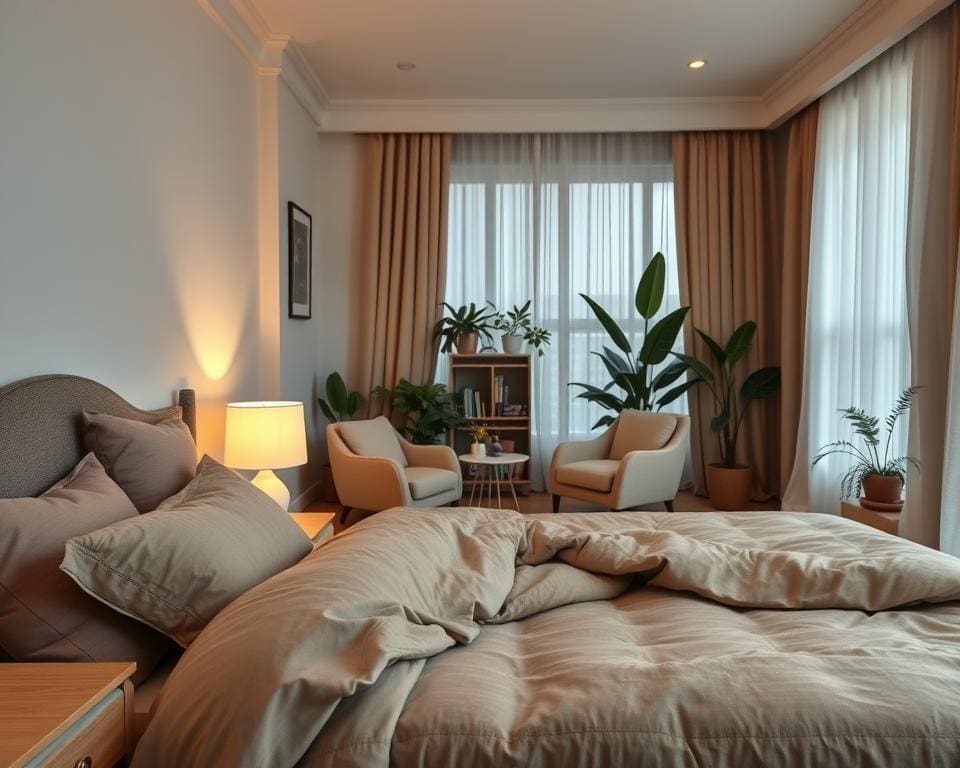
Designing a bedroom that feels both cosy and useful matters for wellbeing. This guide offers bedroom design ideas tailored to the UK, from small city flats to suburban homes. A well planned space can improve sleep, lower stress and boost daytime focus.
Research from the NHS on sleep hygiene and advice from the Sleep Foundation show that layout, light, colour and materials affect sleep and circadian rhythm. Thoughtful choices in a practical bedroom layout help the room work for rest and daily routines.
This introduction previews key areas you will explore: balancing comfort with functionality, choosing calming colour and textures, smart storage and furniture strategies, zoning for sleep, dressing and work, and attention to ventilation and acoustics. We also cover bedroom decorating ideas and seasonal tweaks to keep the room inviting year‑round.
The advice suits UK homeowners and renters, including those in period properties with sash windows or variable insulation. Practical UK bedroom design must respect older features while improving comfort and efficiency.
Continue to the essential principles to build a strong foundation. The next section explains core concepts that make cosy bedroom design both achievable and sustainable.
Essential principles for cosy bedroom design
Create a bedroom that feels restful and useful by following clear cosy bedroom principles. Start with a simple plan that balances comfort and functionality, then choose colours, textures and lighting that support rest and daily life.
Balancing comfort and functionality
Comfort is about mattress quality, bedding and temperature control. Functionality covers storage, circulation and multi‑use furniture. Aim for 60–90 cm circulation space around the bed where you can.
Use standard UK bed sizes to guide choice: single 90 x 190 cm, double 135 x 190 cm, king 150 x 200 cm and super king 180 x 200 cm. Pick a mattress type that suits your sleep position: latex or memory foam for contouring, pocket‑sprung for responsive support.
Look to British makers such as Hypnos, Simba and Emma when researching mattresses. Add bedside charging points, reachable lighting controls and bedside storage so the room works as well as it feels.
Choosing a calming colour palette
Colour shapes mood. Soft neutrals, muted blues and greens lower arousal, while warm neutrals add cosiness. Test paints on large Dulux or Farrow & Ball swatches and view them at different times of day.
Build a cohesive scheme with a dominant neutral, a secondary muted tone and one accent. Try slate blue with warm greys, sage green with off‑white or warm beige with terracotta accents for UK homes.
Layering textures for warmth
Layer textures by combining smooth, soft and structural surfaces. Smooth: painted walls and lacquered furniture. Soft: linen, wool and velvet. Structural: wood and rattan.
Choose British wool throws, linen bedding and natural jute or wool rugs. Consider sustainable fibres like organic cotton and hemp. Tactile layers increase perceived warmth without needing a higher thermostat.
Lighting that enhances mood and use
Use a layered lighting plan: ambient overhead light, task lamps for reading and desk work, plus accent lights for art or features. Aim for warm colour temperatures of 2700–3000K for ambience.
Provide higher lux for tasks, around 300–500 lux at the bedside for reading. Fit dimmers and smart bulbs such as Philips Hue or LIFX for adjustable scenes. Note UK regulations for fixed wiring and favour USB‑integrated bedside lamps for convenience.
Practical bedroom design ideas
Small changes can make a big difference to how a bedroom feels and functions. Below are focused, practical approaches that balance storage, furniture, zoning and comfort. These ideas pair well with modest budgets and high-end plans alike.
Smart storage solutions for small and large rooms
Maximising storage starts with measuring and planning. Use under-bed drawers such as Stowit under-bed drawers for seasonal items and vacuum storage bags for bulky bedding to free floor space.
Consider built-in wardrobes to ceiling height. IKEA’s PAX system offers custom interiors and accessories that fit alcoves and awkward corners. Habitat and John Lewis modular units work well for display and closed storage, keeping the room tidy yet personal.
Think about ergonomics when choosing depths and rails. Aim for a top hanging rail at circa 145–160 cm and a lower rail at circa 100–120 cm. Allow clearance for doors and circulation so everyday access is easy.
Furniture selection: scale, multi‑function and placement
Always measure the room and door swings before buying. Place taller pieces together to balance visual weight. Position the bed against the longest uninterrupted wall to create a natural focal point.
Choose multi-functional bedroom furniture where possible. Ottoman beds with gas-lift mechanisms and headboards with integrated storage double up as useful stowage. Sofa beds work well in guest rooms or compact city flats.
Leave around 50–60 cm beside the bed for comfortable movement. Group bedside lighting and surfaces to avoid clutter and improve flow.
Creating distinct zones for sleep, dressing and working
Use rugs, furniture orientation and low shelving to define areas without full walls. A rug under the bed signals the sleep zone while a compact desk marks the workspace.
For a bedroom workspace, choose a desk 80–100 cm wide and an ergonomic chair with lumbar support. Position screens to reduce glare and limit evening blue light exposure with task lighting and timed screen breaks.
Create a dressing zone with a full-length mirror, dedicated hanging and folded storage, plus a dressing stool. In small rooms, convert a recessed alcove into wardrobe space with sliding doors for neat bedroom zoning.
Ventilation, insulation and acoustic considerations for comfort
Fresh air and thermal comfort are essential. Use trickle vents, extractor fans in en suite bathrooms and regular window airing. Check UK Building Regulations Part F for basic ventilation guidance.
Insulation matters. Verify loft insulation at around 270 mm of mineral wool where appropriate and seal draughts around windows and doors to improve warmth and efficiency.
Reduce noise with soft furnishings, thick rugs and acoustic bedroom design elements such as wall panels. Secondary glazing and heavy curtains help in busy streets. Consider Velux ventilation windows for pitched roofs and specialist secondary glazing for period homes.
Styling tips to make a bedroom feel cosy
A few considered styling moves bring warmth and personality without clutter. Focus on tactile layers, meaningful objects and small seasonal swaps to keep the room fresh all year. Use recognised retailers for quality pieces when you need them, such as Barker and Stonehouse, Loaf, The White Company, Dunelm and John Lewis.
Soft furnishings: bedding tips, rugs and curtains
Choose breathable fabrics suited to the UK climate. Cotton percale and linen work well for summer, flannel adds warmth in winter. Use a duvet tog system from 4.5 to 13.5 tog so you can match warmth to the season. Pick a rug that extends 60–90 cm from each side of the bed for a warm landing. Wool or blended rugs give softness and durability.
For window treatments, go for thermal-lined curtains to improve insulation and blackouts for better sleep. Measure for correct drop and fullness, aiming for 1.5–2x the window width for a plush look.
Personal touches: art, bedroom plants and meaningful objects
Layer curated art, framed photos and heirloom objects to create emotional warmth. Group items in odd-numbered clusters and vary heights to keep displays engaging. Use trays to contain smaller pieces and avoid over-cluttering surfaces.
Introduce bedroom plants for a calm feel and better air quality. Good choices include snake plant (Sansevieria), peace lily (Spathiphyllum) and pothos. Place plants where light suits them and where they complement your layout.
Seasonal bedroom decor and practical swaps
Make simple swaps each season to maintain comfort without a full redecoration. In summer, select lighter linen and a low-tog duvet. In winter, switch to a heavier duvet, flannel sheets and thicker throws. Store off-season textiles in breathable cotton bags or vacuum packs under the bed or in the loft, and check moisture levels before storing.
Refresh the look by changing cushion covers and throws. Small updates to seasonal bedroom decor keep the scheme lively and affordable.
Accent colours for bedroom and pattern guidance
Use accent colours sparingly to add personality while keeping the base calm. Introduce deep green, mustard or terracotta in cushions, a throw or artwork for warmth. Limit patterns to two or three, tie them together with a shared colour and vary the scale — large curtains, medium bedcover and small cushion prints work well.
These measured choices in cosy bedroom styling and careful use of accent colours for bedroom ensure a restful space that feels personal and practical.
Practical steps to plan and implement your design
Begin with a clear room audit to form your bedroom design plan. Measure the floor area, ceiling height and note window and door positions. Mark fixed elements such as radiators, alcoves and chimneys so you can see what stays and what can move.
Turn that audit into a concise brief: define functions for sleep, dressing and any work area, collect style references from Pinterest or Houzz, and set a realistic budget and decorating timeline UK. Break the budget into categories—furniture, soft furnishings, decorating, flooring, lighting, storage and trades—to create a simple bedroom renovation checklist you can follow.
Create scaled floor plans or use apps like Planner 5D or RoomSketcher to visualise layouts and circulation. Source smartly by mixing high-street names such as Dunelm, Next Home and IKEA with investment pieces from John Lewis, Made.com or local craftsmen for bespoke joinery. Order long‑lead items early and schedule trades with contingency for UK delivery delays to avoid hold-ups when you implement bedroom ideas.
Sequence the work: install flooring and major decorations first, then deliver furniture and fit curtains, rugs and lighting. Use a finishing checklist to confirm socket placement, blackout linings and safety features, and follow maintenance tips such as rotating mattresses every three months and regular laundering of bedding. When in doubt about electrics, structure or joinery, hire a qualified professional and check local council guidance on building control or planning requirements before altering heating or structural elements.