
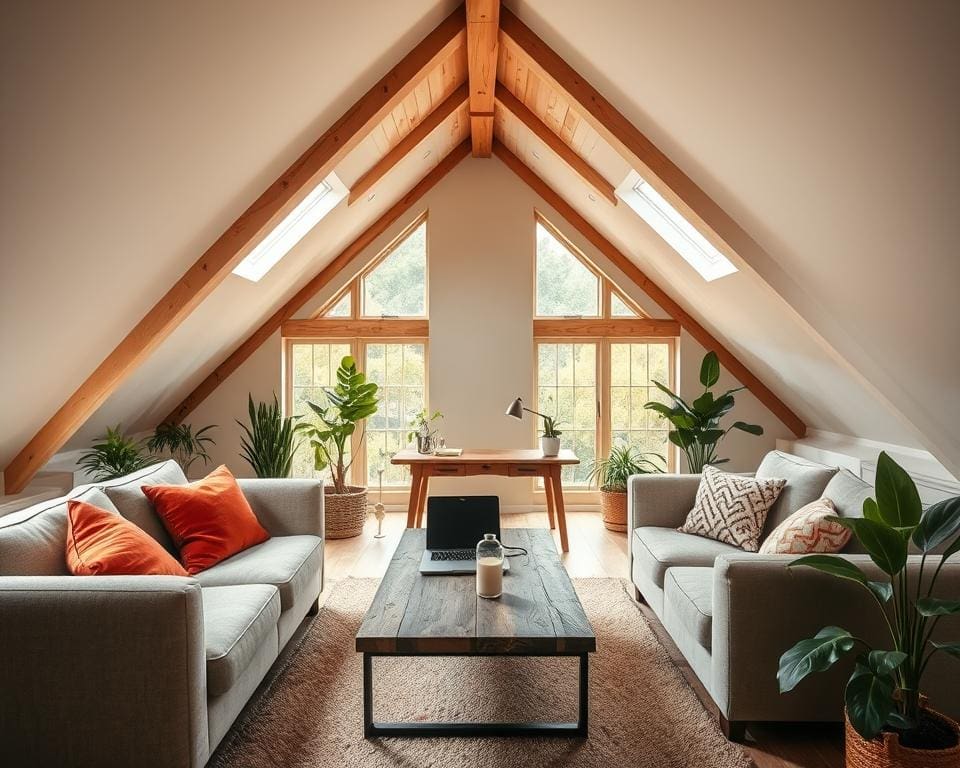
Turning an underused loft into useful rooms can transform a home and add real value. A well-planned attic conversion space gives extra living space, boosts market appeal and creates bespoke rooms for modern life.
Common loft conversion ideas include creating a guest or principal bedroom, a home office, a compact bathroom or en‑suite, a children’s playroom, a studio and clever storage solutions. Each outcome changes how you use the floorplan and can suit different budgets and styles.
Before you convert attic areas, carry out a few simple checks. Measure roof height and slope, inspect the structural condition, and review existing access — is there only a loft hatch or space for a permanent staircase? Note whether electrical and plumbing services reach the space and whether the property is in a conservation area or is listed, which can limit alterations.
Think of the attic as a flexible canvas. Many estate agents in the UK report that a tasteful attic renovation UK can return a significant portion of the cost on sale, especially in high-demand areas. With creative design and the right choices you can convert attic space into rooms that feel spacious, bright and useful.
Early guidance pays off. Consult local council planning departments, the Building Regulations Approved Documents (notably Part A and Part L) and reputable industry bodies such as the Federation of Master Builders and the Chartered Institute of Building before detailed planning begins.
attic conversion space: Planning and legal considerations
Turning an unused attic into useful living space starts with clear attic conversion planning. Early checks set expectations. You should understand structural limits, legal duties, thermal performance and the likely attic conversion cost before work begins.
Assessing structural suitability and load-bearing requirements
A chartered structural engineer must carry out a structural survey loft to confirm joists, rafters and party walls can cope with extra live and dead loads. Storage-only lofts often lack the strength needed for finished floors, furniture and regular occupancy.
Common interventions include strengthening or replacing floor joists and installing steel beams such as RSJs to take loads away from partitions. Roof trusses may need adapting for dormer or mansard conversions. Engineers calculate required load-bearing capacities and specify reinforcement where necessary.
For terraced and semi-detached houses you must consider effects on neighbouring properties. The Party Wall etc. Act 1996 may apply when shared walls or foundations are affected, so allow time for agreements and surveys.
Building regulations and planning permission in the UK
Building control approval is mandatory for structural integrity, fire safety, thermal performance and means of escape. Many projects also need attention to electrics under Part P, so use NICEIC or NAPIT-registered contractors for specialist work.
Distinguish building regulations from planning permission. External changes such as dormer windows, listed status or conservation areas may trigger a formal planning application. Many lofts fall under permitted development but volume limits apply: 40 cubic metres for terraced houses and 50 cubic metres for detached or semi-detached homes.
Key areas of UK building regulations loft conversion to note include Part A (structure), Part B (fire safety and escape), Part F (ventilation) and Part L (thermal performance). Notify building control and obtain completion certificates to protect future house sales and remortgaging.
Insulation, ventilation and moisture control requirements
Meeting loft insulation standards is essential for comfort and compliance with Part L. Options include insulating between and over rafters for a warm-roof, or insulating the floor if the roof remains uninhabited. Choose materials that suit the build and the budget.
Good ventilation stops condensation and mould. Provide continuous background ventilation, trickle vents and mechanical extract ventilation for bathrooms. Opening windows for purge ventilation remains important in habitable rooms.
Manage moisture by checking roof and chimney flashings, using breathable membranes and vapour control layers where needed, and ensuring flat roofs have adequate falls. A pre-conversion survey should check for historic damp, timber decay or woodworm before you commit.
Budgeting and financing your attic project
Costs vary by region, property type and scope. Rooflight-only conversions sit at the lower end, dormer conversions are mid-range and mansard or hip-to-gable works are costlier. Allow for structural work, new staircases, insulation, electrics, plumbing, windows, plastering and finishes when estimating attic conversion cost.
Plan a contingency of 10–20% for unexpected structural issues that surface during work. Obtain multiple detailed quotes from accredited builders and tradespeople, check references and confirm insurance and warranties.
Consider loft conversion finance options such as savings, remortgaging, home improvement loans, personal loans or specialist mortgages. Speak to mortgage lenders early, as some require registered tradespeople and post-work valuations before releasing funds.
Creative designs and uses to maximise your attic conversion
An attic conversion can transform wasted space into a bright, useful room. Thoughtful layout and smart fixtures turn cramped lofts into comfortable retreats. Below are practical, creative attic conversion ideas that suit a range of budgets and lifestyles.
Guest bedroom or principal bedroom with skylights
Rooflights from brands like VELUX flood a loft bedroom with daylight and make a small area feel airy. Choose rooflight-only layouts for lower cost and cleaner rooflines. Select a dormer when you need extra floor area and improved headroom.
Place the bed where head height is greatest to avoid bumping and to frame a view. Use lightweight timber floors and neutral palettes to increase perceived space. Specify double- or triple-glazed rooflights for thermal performance and check manufacturer compliance with Building Regulations. Fit blackout blinds for guest comfort and plan electrical circuits for ambient and task lighting plus heating controls.
Home office and quiet workspace solutions
A loft home office benefits from careful acoustic and thermal measures. Insulate floors and internal partitions and use acoustic plasterboard to cut down noise. Sound-dampening underlay or carpet reduces echo and footfall transmission.
Position rooflights to offer daylight without screen glare and craft built-in desks beneath eaves to use awkward areas. Include ample power and data points and consider thermostatic TRVs or a dedicated heating zone for year-round comfort. For flexibility, combine your workspace with a guest bed or bespoke joinery to conceal equipment when not in use.
Bathroom and en-suite options for compact layouts
Plumbing close to existing soil stacks cuts cost and complexity. If pipe runs are long, consider pumped waste systems to avoid major rework. Compact loft bathroom designs use corner showers, wall-hung WCs and wet-room approaches to save space.
Waterproofing must meet Building Regulations, so use tanking systems and detail junctions carefully. Provide mechanical extract ventilation or through-wall fans to control moisture. Underfloor heating suits tight footprints and removes the need for bulky radiators.
Storage-smart designs: built-ins, eaves cupboards and loft ladders
Built-in eaves storage makes the most of sloping ceilings and keeps circulation clear. Recessed wardrobes within rafters and bed bases with drawers hide clutter while preserving openness. Pull-out units on sliding tracks give full access where depth is limited.
Choose fixed stairs when regulations require them; folding staircases and bespoke loft ladders work for occasional access. Use reputable UK joinery firms and custom furniture makers for tailored solutions that match your loft bedroom design and integrate built-in eaves storage neatly.
- Consider a combined scheme: bedroom with skylights plus hidden office for dual use.
- Prioritise compliance: glazing, thermal performance and waterproofing matter.
- Plan services early: lighting, power, ventilation and plumbing routes set the budget.
Practical steps for conversion and choosing the right professionals
Start the loft conversion process with a measured appraisal. Commission a chartered structural engineer or surveyor to check headroom, roof pitch and scope for dormers or rooflights. Early verification of constraints makes design choices clearer and helps form a realistic loft conversion checklist for planning and budgets.
Move to design and planning with an architect or loft conversion specialist. They will prepare plans, advise if planning permission is needed and complete permitted development checks. When you seek quotes, ask at least three contractors for itemised estimates that cover scaffolding, materials, labour, waste removal and trade finishes so comparisons are straightforward.
During works, follow the building control route and arrange staged inspections. Typical construction stages include structural strengthening, dormer or roof alterations, staircase installation, services fit-out, insulation and internal finishes. A clear loft conversion timeline helps manage expectations; simple rooflight projects often take 4–8 weeks, while full dormer or mansard builds typically span 8–16 weeks.
Choose professionals by checking accreditations and local experience. Look for accredited builders UK via trade bodies such as the Federation of Master Builders, TrustMark or the National Federation of Builders. Verify electricians (NICEIC or NAPIT), Gas Safe-registered plumbers where relevant, roofing specialists and carpenters. Request references, recent project photographs and proof of insurance before signing a contract.
Insist on a contract that lists scope of works, milestone-linked payment schedules, retention clauses and a defects liability period. Keep a project file with drawings, approvals, certificates and warranties so you can provide completion documentation at handover. Clear communication with the contractor and a practical temporary living plan will reduce disruption and protect existing rooms during the build.
A well-executed conversion often boosts resale value, especially when it suits the property’s character and increases usable bedrooms. Ensure you obtain completion certificates and as-built drawings to support future mortgage approvals and make the most of your investment in the home.