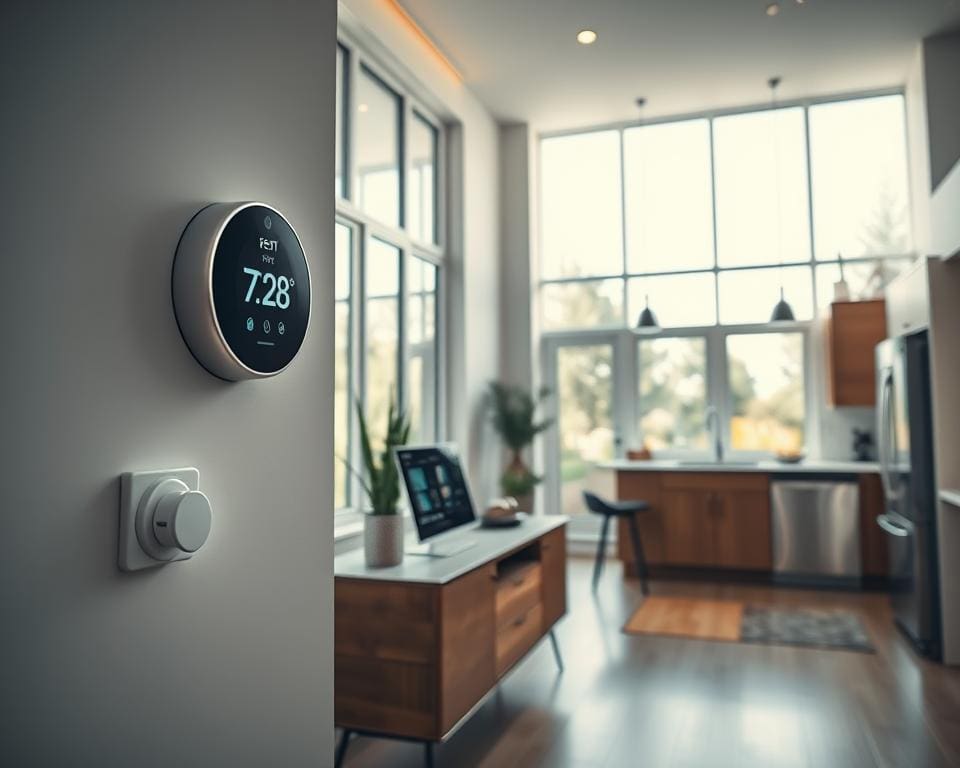

For homeowners across the United Kingdom, smart home upgrades are an opportunity to cut bills, lower carbon emissions and make daily life more comfortable. This article aims to show which tech upgrades home efficiency the most, from simple plug-and-play gadgets to whole-house systems and renewable integrations.
Whether you own a Victorian terrace in Manchester or a modern flat in Brighton, targeted energy-efficient home improvements can deliver measurable savings. Expect benefits such as reduced energy bills, improved indoor comfort, remote control and monitoring, and a stronger appeal to buyers and renters.
The piece is organised to help you decide where to start. First we explain why upgrading with smart technology boosts home performance. Next we focus on heating, cooling and ventilation solutions. Then we cover whole-home energy monitoring, smart lighting and load management. Finally, we explore renewables, battery storage and system integration to future-proof your property.
Why upgrading with smart technology boosts home performance
Smart upgrades deliver clear gains for modern homes. The benefits of smart home technology range from smaller energy bills to subtler lifestyle improvements that make daily routines easier and more enjoyable.
Energy savings through automation
Programmable and learning smart thermostats such as Nest, Hive and tado° cut wasted heating and cooling by learning occupancy patterns and avoiding overheating. Industry estimates suggest smart thermostats typically reduce heating energy use by about 10–15% through adaptive schedules and smarter setback behaviour.
Automation energy savings extend beyond heating. Smart lighting like Philips Hue, motorised blinds and smart plugs from TP-Link or Wemo allow timed control and lower standby consumption. Zoning and adaptive controls focus warmth or cooling only where it is needed, trimming peak use and lowering bills.
For a wider look at compatible gadgets and how they tie together, consult a practical guide on smart home setups via smart home gadget choices.
Improved comfort and lifestyle benefits
Precise temperature control by room brings immediate gains in smart home comfort. You can pre-heat or pre-cool rooms on demand, set scenes for lighting and shading, and use voice assistants such as Amazon Alexa or Google Assistant to adjust settings hands-free.
Remote control through apps adds convenience when you are out or returning late. Integrated ventilation and intelligent controls improve indoor air quality, reduce damp and lower mould risk, which supports health and wellbeing at home.
Long-term cost reductions and increased property value
Optimised operation reduces wear on boilers and heat pumps, lowering repair bills and extending equipment life. Small devices like smart plugs often pay back within months to a few years. Larger investments such as air-source heat pumps, MVHR and solar-plus-battery systems take longer to recoup but deliver greater long-term savings smart tech can compound over decades.
Buyers in the UK market increasingly value energy-smart homes. Property value smart upgrades that cut running costs and show low-carbon credentials can make a home more desirable and may support higher valuations when selling.
- Short-term wins: smart thermostats, heating schedules, smart plugs
- Medium-term upgrades: zoning, smart radiators, efficient ventilation
- Long-term projects: heat pumps, MVHR, solar and battery integration
Top smart heating, cooling and ventilation solutions for energy efficiency
Upgrading heating, cooling and ventilation changes how a home uses energy. Small steps such as swapping a programmer for a connected control can cut waste. This section outlines practical upgrades that work in UK homes and what to expect from each option.
Smart thermostats: features to look for and expected savings
Choose a smart thermostat that offers adaptive scheduling, geofencing and remote access. Look for models that integrate with boilers or heat pumps and provide occupancy sensing, learning algorithms and clear energy reports.
Leading options in the UK market include Google Nest Learning Thermostat, tado°, Hive and Honeywell Home. Industry studies suggest smart thermostats can reduce heating bills by roughly 10–15%, though results vary by property fabric, heating type and behaviour. Check compatibility with older boilers and consider professional installation where required.
Smart zoned heating and radiator controls
Zoned heating lets you set different temperatures for rooms and avoid heating empty spaces. Combine a central smart thermostat with smart radiator valves for the best results.
Smart radiator valves from brands such as Danfoss Ally, Tado Smart Radiator Thermostats and Netatmo give precise room-level control. Good zoned heating controls lower the average thermostat setpoint and reduce fuel use. Design considerations include battery life, wireless signal coverage and whether pipework or system controls need upgrading.
Intelligent ventilation and heat recovery systems (MVHR)
Mechanical Ventilation with Heat Recovery recovers heat from outgoing air and transfers it to incoming fresh air. MVHR energy recovery suits airtight, well-insulated homes and major retrofit projects where ventilation heat losses are otherwise high.
Manufacturers active in the UK market include Zehnder and Vent-Axia. A well-designed MVHR system improves indoor air quality while cutting heating demand. It needs correct design, regular commissioning and filter maintenance to work effectively. Where MVHR is not appropriate, decentralised mechanical extract ventilation or controlled mechanical extract ventilation offer alternative efficient ventilation solutions.
tech upgrades home efficiency
Small, smart investments change how a home uses energy. Data, sensing and control give homeowners clear choices about upgrades. The right mix of monitoring, lighting controls and intelligent outlets turns vague bills into actionable plans.
Whole-home energy monitoring: what it reveals and why it matters
Dedicated systems such as Sense, Emporia Vue and TED Pro measure whole-house and circuit-level usage. They spot high-draw appliances and reveal standby losses that a standard meter misses.
In the UK the smart meter rollout gives basic consumption figures. Third-party monitors and submetering deliver real-time, granular insight needed for optimisation and renewable integration. This data supports targeted upgrades and speeds payback decisions.
Smart lighting and occupancy sensors to cut waste
LED retrofits paired with smart lighting sensors slash lighting energy use. PIR occupancy sensors stop lights being on in empty rooms.
Daylight harvesting, dimming and schedules improve comfort and reduce demand. Systems from Philips Hue, Lutron and KNX/DALI scale from single rooms to whole-house projects, making savings obvious and immediate.
Smart plugs, appliances and load management strategies
Smart plugs and Wi‑Fi appliances let you curb background loads and shift tasks to cheaper hours. Brands like TP‑Link Kasa and connected Bosch appliances make appliance scheduling simple.
Load management home techniques include staggering large appliances, circuit-level control and smart EV chargers that respond to tariffs or battery state. These measures increase the value of solar PV and storage by matching demand to low-cost supply.
- Use whole-home energy monitoring UK to find costly loads.
- Fit smart lighting sensors where occupancy varies.
- Combine smart plugs energy saving with appliance scheduling for off-peak runs.
- Adopt load management home strategies before investing in larger systems.
Renewables, storage and integration: future-proofing your home
Rooftop solar PV UK systems are now a practical first step for many homeowners. Typical domestic arrays range from 2–4 kWp and can cover a large slice of daytime demand, especially with south-facing roofs and minimal shading. The Smart Export Guarantee has replaced the old feed-in tariff, so reputable MCS-certified installers, British Gas and Octopus Energy partners can advise on sizing, planning and likely annual generation to estimate real savings.
Linking solar to home battery storage boosts those savings by storing surplus daylight generation for evening use. Products such as Tesla Powerwall, Sonnen and LG Chem alternatives are common on UK projects and, when paired with smart charging, can also reduce grid imports for EVs. Consider system size, lifecycle and warranties carefully; smart energy management that shifts loads and times EV charging will improve payback and resilience.
Heat pumps integration is central to cutting home carbon. Air-source and ground-source heat pumps deliver higher efficiencies than traditional gas boilers and work best with good insulation and suitably sized radiators or underfloor heating. UK incentives and correct sizing matter, and linking heat pumps with PV and batteries via smart inverters and an EMS unlocks cost and carbon optimisation while preparing a home for time-of-use tariffs and demand-response opportunities.
A central home EMS ties generation, storage, heating, EV charging and consumption data into one view. This smart home energy integration enables automated optimisation, remote monitoring and readiness for future grid services. For complex installs, work with accredited firms under schemes such as MCS or NICEIC and adopt phased upgrades: start with monitoring and smart controls, then add renewables and home battery storage as budgets and needs allow to truly future-proof home energy.