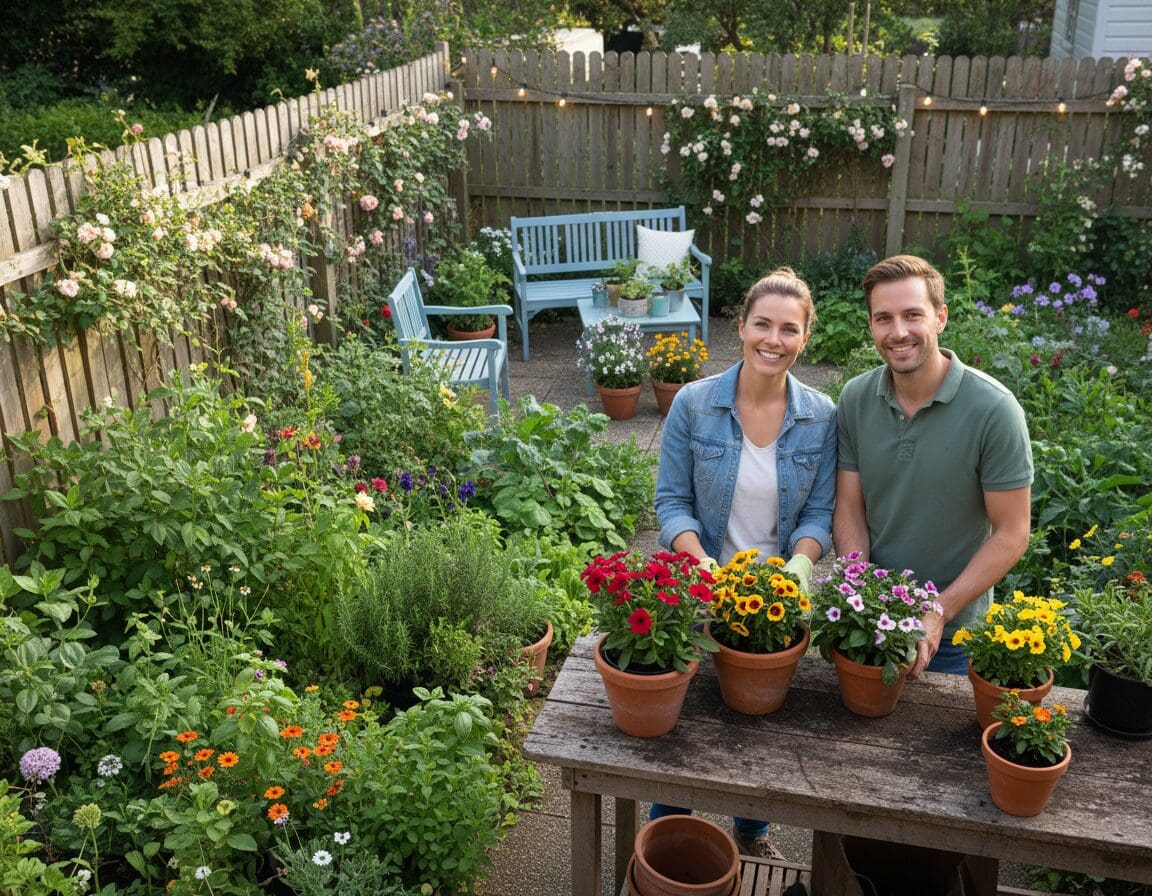

Renovating a garden need not be costly or daunting. This guide offers practical, inspirational steps for a garden renovation budget that suits homeowners and renters across the United Kingdom. With smart planning, DIY effort and a focus on affordable landscaping UK, even small changes can refresh outdoor space and boost property appeal.
Taking a budget approach reduces waste and sparks creativity. You can spread costs with a phased plan, reclaim materials for paths and borders, and choose low-cost plants suited to UK soils and weather. Be mindful of local rules: GOV.UK explains when planning permission is required for structures above certain heights.
To set expectations, consider typical cost brackets. A minor refresh often comes in under £500, a moderate project might range from £500–£3,000, while a major phased renovation usually exceeds £3,000. Labour tends to be the biggest single expense, so DIY and material reuse cut garden refurbishment cost significantly.
This piece targets UK homeowners and approved renters, and it promises clear, actionable strategies for a cheap garden renovation. You will find advice on planning, plant choices from reputable sources such as the Royal Horticultural Society, and tips on budgeting and consumer protection from Which? and MoneySavingExpert.
Planning a garden renovation budget and setting priorities
Begin with a clear brief that sets purpose and limits. Good garden budget planning starts by naming the main uses of the space: entertaining, play, wildlife or growing food. Pick two or three garden priorities to keep scope small and costs steady.
Create simple mood boards with Pinterest or Canva and photograph the site to fix a realistic style. A cottage or naturalistic planting scheme usually costs less than a formal design. Minimal Scandinavian layouts cut down on the variety of plants and materials you need.
Defining your goals and style on a budget
List functions in order of importance and match them to a style that suits your wallet. Focus on durable, low-maintenance choices for high-use areas. Use photos to test combinations before spending.
Limit ambitious features to later phases so essentials come first. Prioritising saves money and helps avoid changes mid-project that blow the budget.
How to audit your existing space and salvage materials
Carry out a garden audit by measuring the plot and noting sun, shade, drainage and soil type. Mark existing plants worth keeping and record any structural issues such as poor paving or rotten sleepers.
Identify salvage garden materials you can reuse: paving, bricks, decking boards, furniture and pots. Reclaimed elements lower costs and add character when cleaned or reassembled.
Check for hazards and legal limits like tree protection orders, boundary disputes and buried services. Estimate repair versus replacement costs so choices stay practical.
Creating a realistic budget and phased plan
Divide work into phases: essentials (drainage, structural fixes), high-impact low-cost changes (planting beds, borders) and finishing touches (furniture, lighting). A phased garden plan keeps the project manageable.
Allocate rough percentages to categories: hardscape 30–50%, plants 10–20%, labour 25–40% and lighting/accessories 5–10%. Add a contingency of 10–20% for surprises.
Gather local quotes from landscapers and reserve professionals for complex tasks like electrics or major groundwork. Doing simpler tasks yourself stretches the budget further.
Simple cost-saving tools: spreadsheets, apps and templates
Use a basic spreadsheet to track estimates, quotes, receipts and deadlines. Columns for item, quantity, unit cost, supplier, status and actual cost make comparisons easy.
Try garden budgeting tools such as Google Sheets templates, Trello for task planning and visual apps like iScape to preview layouts. Keep a list of local reclamation yards, garden centres and marketplaces like Gumtree and Facebook Marketplace to spot bargains.
Low-cost landscaping ideas to refresh your outdoor space
Refreshing a garden need not be expensive. With careful choices you can create impact on a modest budget, mixing smart planting, recycled materials and simple hardscaping for a cohesive result.
Affordable planting schemes and seasonal choices
Plan for year-round interest by combining spring bulbs such as daffodils and crocuses with summer perennials like lavender and geraniums. Add autumn asters and sedum, then use evergreen shrubs for winter structure.
Choose native perennials to lower replanting needs and support wildlife. Cornus, hawthorn and honeysuckle are recommended by the RHS for biodiversity and long-term value.
Buy plug plants or sow seeds to cut upfront costs. Attend local plant sales run by the National Trust or nurseries for bargains. Use mixed planting: many affordable plant schemes rely on cheap filler plants with a few focal specimens to create richness.
Using reclaimed materials for paths and borders
Reclaimed garden materials give character at a fraction of the cost. Look for reclaimed bricks, setts and salvaged paving from reclamation yards or local builders’ merchants.
Lay gravel paths edged with salvaged bricks or timber. A geotextile membrane under gravel helps suppress weeds and reduces maintenance.
Choose permeable surfaces such as gravel or paving setts to ease drainage concerns and comply with planning in many areas. Old concrete slabs can be repurposed by sawing or painting simple patterns for visual interest.
DIY planting beds, containers and vertical gardens
DIY raised beds built from inexpensive treated softwood or concrete blocks work well. Line beds with pond liner for longer life and fill with a mix of compost and topsoil.
Use recycled containers: plastic pots, galvanised baths or wooden crates make attractive, low-cost planters. Ensure good drainage to protect roots.
Try vertical garden ideas for small spaces. Pallet planters, trellis-mounted pots and DIY felt pockets create vertical interest and boost planting area on balconies or narrow plots.
Include edible plants such as herbs and salad leaves for ongoing savings and high yield per square metre.
How to choose low-maintenance, cost-effective hardscaping
Pick materials that balance durability and upkeep. Porcelain paving, gravel and composite decking often cost more up front yet reduce long-term maintenance.
Reduce lawn area where possible. Lawns demand the most ongoing work. Swap sections for wildflower patches or low-maintenance groundcovers like thyme between paving.
Plan irrigation zones and use simple drip systems or soaker hoses to save water and cut maintenance time. Low-maintenance hardscaping UK projects focus on long-term value and less future labour.
DIY projects and upcycling to stretch your budget
Small projects can make a big difference to a garden without blowing the budget. Start with simple tasks that add character and solve a need. Use clear steps so work feels manageable and rewarding.
Upcycling furniture and planters for character and savings
Turn unwanted pieces into useful items. Pallets become benches, old drawers stack as tiered planters, and a cast-iron bath can become a pond or raised bed. Look for bargains on Facebook Marketplace, at car boot sales or in local charity shops.
Check timber for rot and metal for corrosion before you commit. Use outdoor-grade products such as Dulux Weathershield or Ronseal decking treatments to protect items. Add weatherproof cushions or removable covers for comfort and easy washing.
Easy DIY structures: pergolas, trellises and screens
Keep designs simple when you build pergola DIY projects to save time and money. Trellis panels and bamboo screens give instant privacy and support climbers like clematis and jasmine. You can buy ready panels from B&Q or Wickes or make your own from reclaimed scaffolding boards.
Anchor posts securely and use treated timber for longevity in exposed UK gardens. Consider polycarbonate roofing for shelter that won’t cost as much as glazing yet still lets light through.
Painting, staining and simple repairs that transform features
A fresh coat of paint or stain lifts fences, sheds and decking quickly. Choose on-trend neutrals such as sage, charcoal or muted blue for broad appeal. Tighten loose boards, replace a few rotten pales and re-bed loose slabs rather than replacing whole sections.
Sanding and treating decking can prevent the need for full replacement. Apply non-slip coatings on steps and paths where footfall is high to reduce slips and trips.
Safety and tools: what to hire and what to buy second-hand
Decide which tasks need professionals. Hire qualified specialists for mains electrics, complex drainage and tree surgery. For heavy plant hire, use local companies such as HSS Hire to rent a pedestrian mini-digger or cement mixer.
Buy essential hand tools from trusted UK brands like Spear & Jackson. For power tools, look at second-hand tools UK options through local hire shops or online marketplaces to save cash. Follow basic DIY garden safety by wearing gloves, goggles and ear protection and read product labels before use.
- Inspect second-hand items for structural soundness and contamination.
- Prioritise protective finishes suited to UK weather.
- Hire for specialist work; buy or borrow for occasional tasks.
Smart ways to save on labour, plants and maintenance
Reduce costs by doing the prep and finish work yourself: clearing beds, basic planting, painting fences and simple assembly. Reserve certified contractors for electrics, structural builds and drainage. When you need help, get multiple written quotes, check credentials on Checkatrade or TrustATrader and negotiate staged payments to spread costs and keep control.
Stretch your plant budget with simple plant propagation UK techniques. Take soft-tip cuttings from pelargoniums, divide hostas in spring or autumn, and sow seeds for cottage favourites. Visit local plant swaps, horticultural society sales or charity plant sales to pick up cheap garden plants and robust specimens that suit British conditions.
Cut ongoing bills with practical maintenance choices. Lay mulch and weed-suppressing membranes, use home-made compost and install a water butt to harvest rain. Choose long-lived materials such as porcelain paving and metal edging to reduce replacement cycles and plan a seasonal maintenance schedule to prevent costly repairs.
Tap community resources to save on garden labour: swap skills with neighbours, join gardening clubs or use volunteer groups for small projects. If you prefer paid help, hire local gardener services for periodic tasks rather than full-time labour. Buy off-season bargains from garden centres and consider reclamation yards for materials; patience and phased work deliver garden maintenance savings and lasting value.