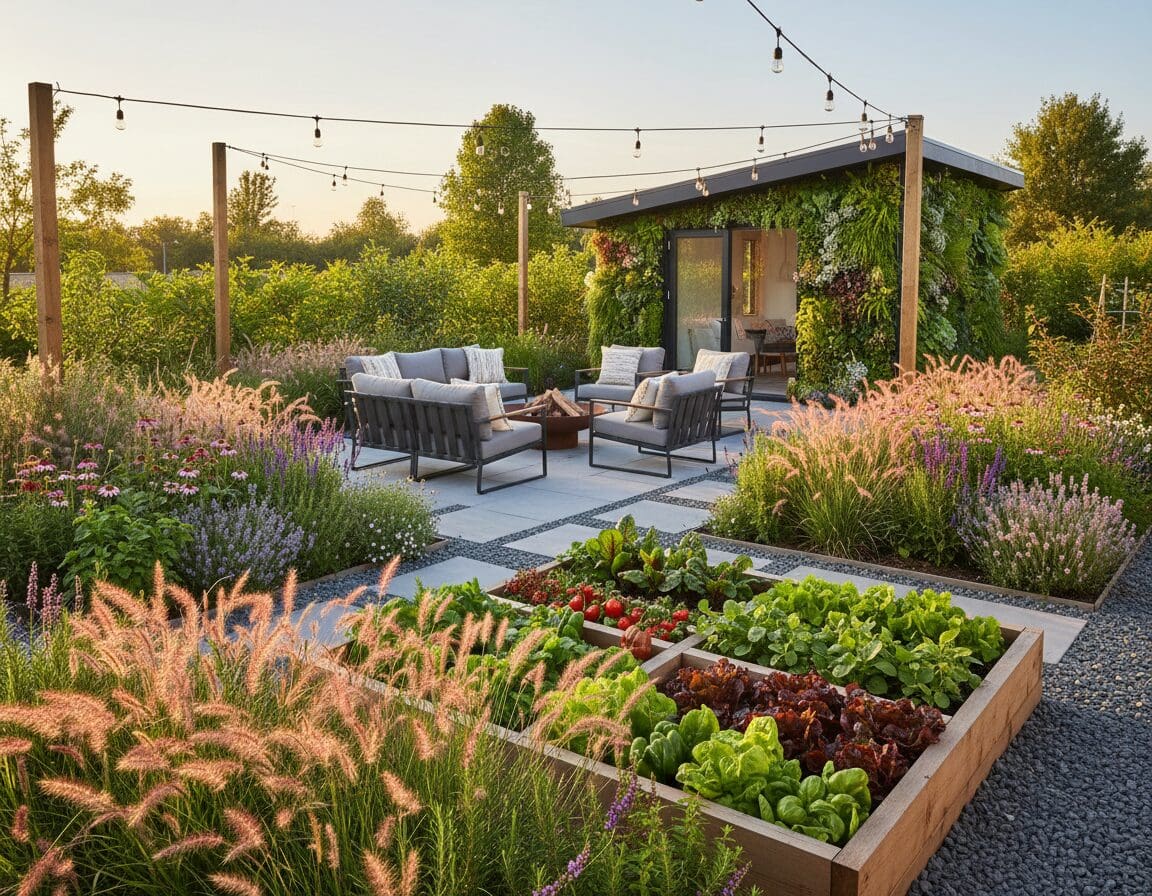

Homeowners and designers across the United Kingdom are rethinking outdoor space. The latest garden trends 2023 show a clear shift towards sustainability, flexible use and stronger links between house and garden.
Heightened climate awareness, rising energy and water costs, and denser urban living have pushed garden design UK to adopt practical, eco‑minded solutions. Popular media and industry reports highlight increased interest in sustainable garden ideas, rainwater retention and planting that supports wildlife.
For UK households the changes are pragmatic. Many are replacing large lawns with easier borders, adding rainwater harvesting, and retrofitting patios for year‑round use. Choices now favour materials and plants that cope with local soil and rainfall patterns, whether in urban courtyards or rural plots.
The benefits are tangible: lower maintenance and bills, enhanced biodiversity, higher resale appeal and more usable outdoor living trends that support wellbeing. This article next explores sustainable and eco‑friendly design, then the blending of interior and outdoor living, and finally the aesthetic and practical trends reshaping gardens.
home garden trends: sustainable and eco‑friendly design
Gardens are changing into purpose‑driven outdoor rooms that put nature first. A shift towards sustainable garden design helps homeowners save time, cut water bills and create richer habitats for wildlife. Small choices, seen across city terraces and country plots, add up to big gains for soil, pollinators and neighbours.
Low‑maintenance planting and native species
Choose native plants UK to build resilience and reduce inputs. Common hedgerow species such as hawthorn and holly give structure. Native perennials and meadow mixes replace high‑maintenance lawns and feed bees and butterflies.
Planting heathers on acid soils and wildflowers in sunny gaps lowers the need for fertiliser and pesticides. Homeowners enjoy reduced upkeep while supporting local ecology and pest resistance.
Waterwise gardening and rainwater harvesting
Waterwise methods cut mains use through smart design. Siting rainwater butts under downpipes and installing permeable paving or swales manage run‑off and keep drives draining. Choose drought tolerant plants for summer months and add rainwater harvesting systems for irrigation.
Rain gardens and retention basins capture heavy downpours and ease urban flood risk. These steps reduce bills and help meet water‑sensitive planning expectations.
Eco‑conscious materials and recycled landscaping
Specifying recycled garden materials and certified timber lowers embodied carbon. Reclaimed stone, BSI‑tested aggregates and composite decking made from recycled plastics give a distinctive look with smaller environmental impact.
Visit local reclamation yards and check FSC labelling when buying timber. Using local suppliers cuts transport emissions and often offers unique character at a sensible cost.
Wildlife‑friendly gardens and biodiversity corridors
Design to welcome wildlife with layered planting, ponds and log piles. A wildlife garden UK can include insect hotels, native hedging and seasonal food sources to sustain birds and invertebrates year‑round.
Think beyond a single plot by linking gardens, verges and parks to create biodiversity gardening corridors. Avoid heavy chemicals, time hedge cutting to protect nesting birds and adopt simple pond safety to keep habitats thriving.
Interior‑to‑outdoor living: blurring boundaries between house and garden
Blending interior and exterior space transforms how we use the home. Thoughtful design turns a rear garden into an extension of daily life. The result boosts natural light, expands living areas and creates a fluent sense of indoor outdoor living.
Full-height garden glazing and verandas are now central to modern plans. Sliding systems or bi‑fold doors UK open wide to remove the barrier between lounge and lawn. Attention to thermal performance, such as triple glazing and thermally broken frames, keeps spaces comfortable year round.
When installing, check planning permission and party wall requirements in the UK. Match thresholds with decking or level paving to avoid trip hazards and create an effortless flow for entertaining.
Outdoor rooms and functional alfresco spaces
Treat the garden as distinct rooms: dining, cooking, lounging and work. Defined layouts help each zone feel purposeful. Outdoor room ideas include built‑in kitchens, sheltered seating and durable furniture made with Sunproof fabrics and aluminium frames.
Use built‑in storage and screens with planting to ensure privacy and tidy sightlines. These measures extend the home’s usable footprint and make alfresco living practical for families and guests.
Coherent materials and colour palettes across inside and outside
Carry timber tones, stone or concrete finishes from interior floors out into the garden. A matching palette makes the transition visually smooth. Select weather‑resistant finishes that echo indoor textures for low maintenance and a unified look.
Neutral schemes with accent planting create calm continuity. This approach reinforces a single home identity and simplifies material choices for future upkeep.
Year‑round usability with heating, lighting and shelter solutions
Practical kit keeps gardens usable beyond summer. Low‑emission external heaters and infrared panels warm seating areas without smoke. Integrated lighting with appropriate IP ratings and waterproof electrical work to BS 7671 standards makes evenings safe and inviting.
Retractable canopies, glass screens and carefully sited firepits add shelter and ambience. Follow safety guidance on fuel storage and installation to maximise year‑round garden use while staying compliant with regulations.
Design aesthetics and practical trends shaping outdoor spaces
Naturalistic planting and muted, earthy palettes are central to garden design trends this year. Textured surfaces and sculptural hard landscaping elements such as raised beds, terraces and feature walls provide focal points that feel both contemporary and calm. These choices help blur the line between planted beds and paved areas while supporting a cohesive outdoor aesthetics 2023 that suits UK gardens of all sizes.
Hard landscaping trends favour minimalist paving and large-format porcelain slabs that mimic natural stone with lower upkeep. Modular raised planters and multi-level terraces work well on sloping sites, and integrated drainage that follows SuDS principles keeps gardens purposeful and resilient. Practical patio ideas UK include using zoned paving to define dining, play and planting areas without visual clutter.
There is growing demand for durable, design-led pieces from brands stocked in the UK, and sustainable outdoor furniture is now a mainstream consideration. Look for multifunctional items such as storage benches and foldaway tables, and choose weatherproof fabrics like solution-dyed acrylics for longevity. Thoughtful selection balances comfort, recyclability and long-term value for the home.
Layered lighting and sensory planting turn a garden into a year-round refuge. Path lights, low-glare downlights and uplighters for specimen trees create ambience and safety, while lavender, rosemary and ornamental grasses add scent and tactile interest. Simple maintenance routines — mulching, seasonal pruning and tailored feeds for native planting — keep the design true to its intent and help boost property appeal in the UK market.
Finally, combine sustainability, functionality and aesthetic cohesion in manageable steps. Start with one zone or practice, such as upgrading furniture or adding a terrace, and progress to larger changes. Thoughtful outdoor design not only enhances day-to-day enjoyment but can support planning requirements and add measurable value when selling a property.