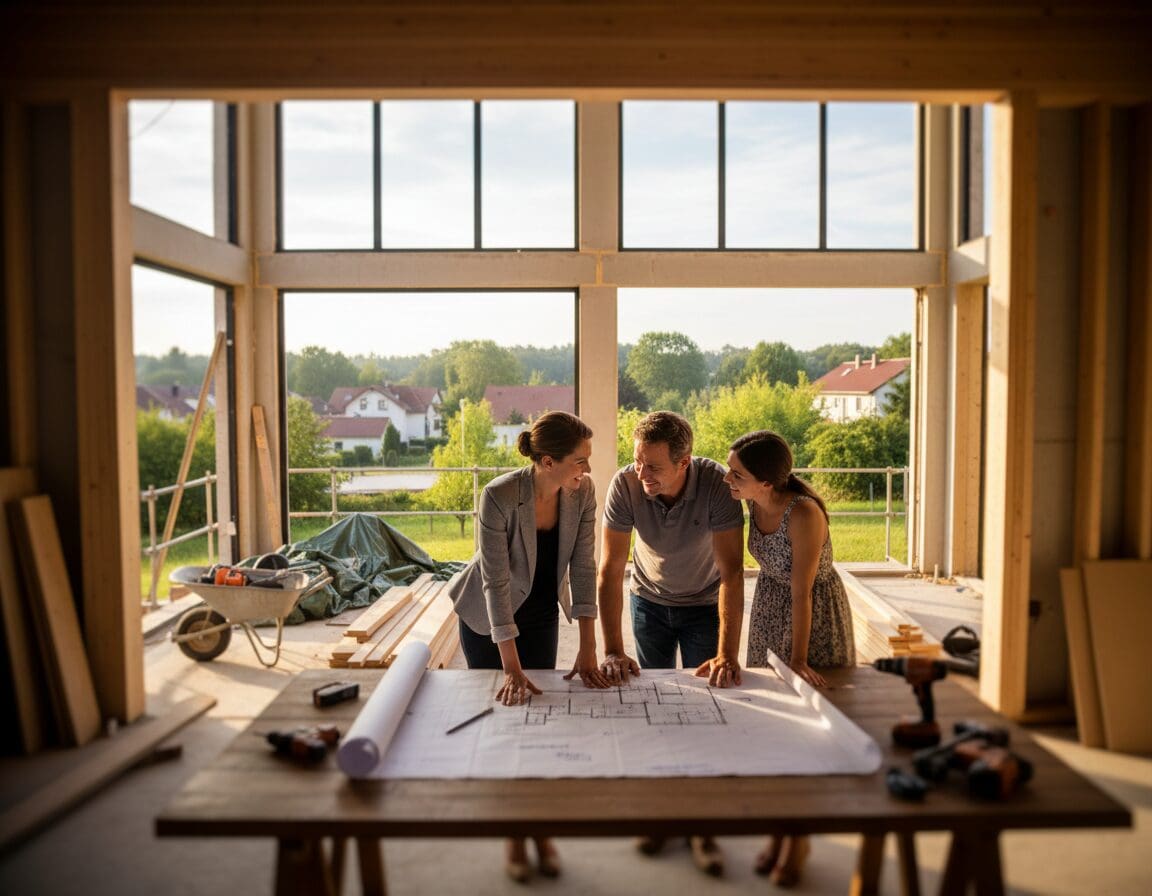

Deciding on extending your home is both exciting and complex. Thoughtful home extension planning helps you balance the dream of more space, better light and improved flow with practical limits like budget, time and local rules.
Start with a simple home extension checklist. Measure your garden or plot, note the property type — whether terraced, semi-detached, detached or a bungalow — and check for conservation area or listed-building restrictions that could curtail plans.
Assess structural limits early. Look at foundations, loft and roof structures and any existing extensions. This initial feasibility review reduces the risk of costly surprises once work begins.
Seek professional guidance from the outset. Engage a RIBA-accredited architect, a Chartered Engineer or an experienced design-and-build contractor to turn ideas into viable proposals. Many firms offer free initial consultations and it pays to get multiple quotes.
Be realistic about timescales and disruption. A single-storey rear extension can take a few months; a two-storey project may take several months to a year, including permissions. Plan for utility interruptions and consider temporary storage or relocation of fragile items.
Think about value. The right extension can boost resale appeal — open-plan kitchen-diners and extra bedrooms often perform well in the market — but finish quality, design coherence and local trends on Rightmove and Zoopla influence returns on UK home extensions.
This guide will now move on to practical budgeting, design and regulatory steps so you can approach extending your home with confidence and a clear house extension checklist in hand.
home extension planning: setting clear goals and budget
Start with a simple brief that ties purpose to cost. Good home extension planning begins by defining what you need from the space. Do you want an extra bedroom, open-plan living, a home office or a scheme that supports multi-generational living? Small choices now shape your extension budget UK and long-term value.
Defining your purpose and priorities
List must-haves and nice-to-haves so design decisions stay focused. Prioritise features that affect daily life, like garden access, daylight and circulation. Think about flexibility: a room that converts from a playroom to a study adds resale appeal.
Defining extension goals helps keep the brief tight. Practical priorities cut wasted spend and guide discussions with architects and builders.
Estimating realistic costs and contingencies
Get early estimates for materials, labour and professional fees to understand likely extension costs. Allow for a contingency of at least 10–15% to cover surprises uncovered during works.
Break costs down by phase so you can see where savings are possible. A clear cost plan reduces stress and keeps the project on track.
Funding options and financial planning
Match your ambitions to available extension finance. Savings, remortgaging and homeowner loans are common routes in the UK. Compare interest rates and fees to find the best fit for your extension budget UK.
Plan repayments and tax implications. A sound financial plan makes it easier to approve trades, order materials and avoid costly delays.
Phasing the build to reduce disruption
Phasing construction lets you prioritise essential works first and add upgrades later. This approach lowers upfront extension costs and keeps parts of the home usable.
Agree a clear schedule with your contractor. Phasing construction can protect daily routines and reduce time spent living amid building works.
Practical considerations: design, structure and regulations
Good planning turns ideas into resilient, attractive spaces. Start with clear design goals that respect site limits, light, and thermal comfort. Early decisions shape cost, timescales and how smoothly permissions and building work proceed.
Working with architects and designers
Choose a RIBA chartered architect when you need full design and planning coordination. Architectural technologists produce detailed technical drawings. Interior designers focus on finishes and space flow. Design-and-build contractors blend creative work with delivery for a single point of responsibility.
Check portfolios and client testimonials. Verify Professional Indemnity and Public Liability insurance. Ask about fee structures: fixed fee, percentage of build cost, or hourly rates. Clear briefs and staged payments help manage risk.
Expect concept sketches, planning drawings, technical construction documents, specification documents and tender packs for builders. A collaborative approach that includes light studies, thermal performance checks and accessibility standards delivers better outcomes.
Planning permission and permitted development rights in the UK
Understand when you need UK planning permission and when permitted development rights apply. Small single-storey rear extensions often fit permitted development, while larger or listed-property works usually require full planning.
Early pre-application advice from your local council reduces delays. Submit accurate plans and a clear design statement to speed decisions. Keep neighbours informed to avoid objections that can affect outcomes.
Building regulations and structural surveys
Complying with building regulations extension requirements protects safety and energy performance. Structural surveys identify load-bearing walls, foundations and damp issues before work starts.
Engage a structural engineer for calculations and a qualified builder for compliance. You will need detailed drawings, specification of materials and evidence of insulation, ventilation and fire safety measures for approvals and final sign-off.
Impact on neighbouring properties and party wall agreements
Consider how foundations, drainage and party walls affect neighbours. A formal party wall agreement will be required for work that adjoins shared walls or digs close to a neighbour’s foundations.
Appoint a surveyor early, share plans and set realistic timescales for excavation and noisy phases. Clear communication and proper agreement avoid legal disputes and keep the build on track.
Sustainability, lifestyle impact and long-term value
Designing a sustainable extension starts with clear choices on fabric and systems. Specify high-performance insulation, double or triple glazing and careful airtightness detailing to cut heat loss. Consider mechanical ventilation with heat recovery (MVHR) where airtightness is high; this keeps fresh air without wasting energy and supports an energy-efficient extension.
Heating and power choices shape both lifestyle and running costs. Low‑carbon heating such as air‑source heat pumps and underfloor heating designed for lower-temperature systems work well together. Adding photovoltaic panels with battery storage reduces bills and can lift EPC improvements, making the property more marketable over time.
Pick materials and suppliers with sustainability in mind. Responsibly sourced timber (FSC), low‑VOC paints and reclaimed bricks reduce embodied carbon and improve indoor air quality. Trade suppliers like Travis Perkins, Wickes and Howdens offer eco ranges and site‑waste recycling options to help manage waste on site and lower environmental impact.
Think beyond the build: a lifestyle impact extension should enhance daily life while adding value. Better energy performance lowers living costs and raises appeal to buyers, so a long-term value home extension often pays back through savings and improved EPC improvements. Check for available grants or incentives for energy upgrades to help fund these measures and secure a greener future for your home.