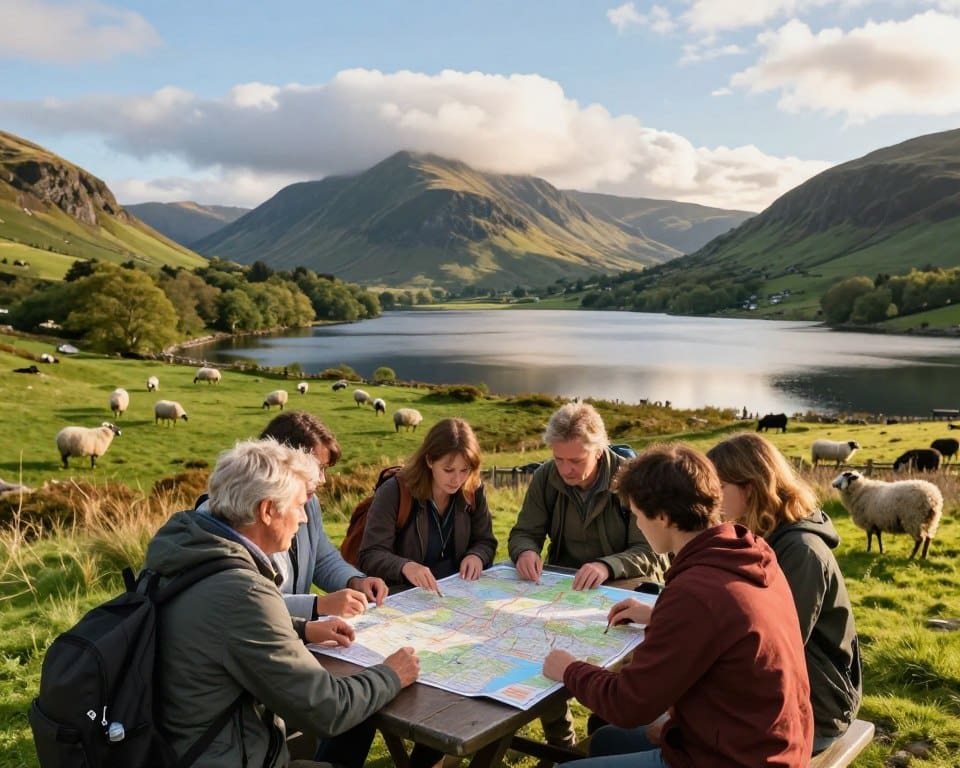

Planning to visit Lake District UK begins with a clear purpose: do you want gentle lakeside days, hill walking, photography or a mix of all three? This short guide frames Lake District trip planning around those aims so you can craft a scenic Lake District itinerary that suits couples, families and small groups.
The Lake District National Park is England’s largest national park and offers famous sights such as Windermere, Ullswater, Grasmere and the fells of Catbells and Scafell Pike. Weather here is changeable, and peak summer brings busy towns like Ambleside and Keswick; good planning helps you enjoy views and avoid crowds.
Use this Lake District travel guide to set realistic expectations for pace, choose a convenient base and balance walking with relaxation. Later sections cover timing, transport, accommodation and packing so you leave confident and inspired to explore the region’s lakes, fells and literary connections.
How do you plan a scenic trip to the Lake District?
A clear plan turns a good break into a memorable scenic holiday. Start with a simple aim, choose dates that suit the landscape you want to see and sketch a flexible route that matches your energy. This approach makes Lake District itinerary planning straightforward and enjoyable.
Define the purpose and pace of your trip
Decide whether you want relaxation by a lake, photography-focused stops, gentle lakeside strolls or full days on the fells. Match those aims to your group’s fitness and experience.
Pick easy circular walks such as Tarn Hows or the Grasmere shore for families and novice walkers. Choose Helvellyn or Scafell Pike only if your party has proper kit and hillcraft experience. Set a realistic daily schedule that factors in elevation gain, distance and variable weather.
Allow extra time for slow walking, photos and rests. Balance active days with evenings in cosy pubs or tearooms to appreciate local hospitality and quiet moments by the water. Thinking about walking pace Lake District style will stop you overreaching on the first day.
Choose the best time to visit
Compare seasons before you book. Spring (March–May) brings wildflowers, lambing and longer daylight with fewer crowds. Summer (June–August) gives warm weather and long days, ideal for water sports but busy and needing advance bookings.
Autumn (September–November) offers rich leaf colour and softer light for photography while winter (December–February) provides crisp, quiet landscapes and snow on higher fells. Check local events such as the Keswick Mountain Festival and school holidays when planning.
Lake District seasons can change fast. Keep an eye on Met Office forecasts and build flexibility into your itinerary so you can adapt to sudden weather swings. Choosing the best time to visit Lake District will depend on whether you favour crowds, colour or solitude.
Set a practical itinerary framework
Decide on trip length first. A long weekend of 3–4 days suits highlights around Windermere and Ambleside. A week lets you explore several valleys and try varied walks. Choose a base that matches your aims.
Keswick gives easy access to Derwentwater and northern fells. Ambleside sits well for Grasmere and central routes. Bowness-on-Windermere suits lake activities and gentle itineraries. Plan day trips from one base to reduce packing and to group activities by area.
Build in a bad-weather or rest day for museums such as the World of Beatrix Potter or Dove Cottage. This kind of scenic holiday planning keeps your schedule enjoyable and resilient to rain or fog while letting you make the most of each valley and viewpoint.
Planning logistics and travel within the Lake District
Getting the practical details right makes a scenic trip rewarding rather than stressful. This short guide covers transport options, where to stay and sensible packing so you can focus on views, walks and tranquil mornings by the water.
Transport to and around the region
For getting to the Lake District, rail travellers use Oxenholme Lake District and Penrith North Lakes for easy connections from London, Manchester and the West Coast Main Line. National Express and regional coaches serve Kendal and Penrith, while direct services to Windermere run in peak season.
Driving from the M6 and A66 remains a flexible option, but be ready for narrow lanes and busy summer roads. If you prefer to leave the car behind, Lake District bus services from Stagecoach link towns and villages; check timetables as rural routes can be infrequent. For scenic crossings, a Windermere water taxi or scheduled Windermere Lake Cruises and Ullswater Steamers cut road time and add a memorable element to travel.
Car hire gives freedom for remote trails and dawn starts. Book transfers or taxis in advance for early departures or late returns from trailheads. For a simpler plan, consider guided transfers or cycle hire from Windermere or Keswick to remove logistics and let you enjoy the scenery.
Accommodation choices to suit your scenic aims
Pick accommodation to match how you want to experience the landscape. Hotels and country-house hotels offer comfort, meals and grand views for relaxed mornings. Locally run bed & breakfasts provide convivial service, insider tips and hearty breakfasts before walks.
Self-catering cottages are ideal for lakeside tranquillity and family groups who want flexibility. When not driving, choose properties near bus stops or with parking. Campsites and glamping pods suit those who seek closeness to nature; check access, facilities and seasonal opening dates before booking.
Book Lake District accommodation well in advance for summer, bank holidays and festival weekends. Use reputable platforms and the local tourism association to compare reviews, check for drying rooms and confirm proximity to walking routes for scenic starts and finishes. For inspiration on timing and short-break planning, see this guide.
Packing and preparation tips
Plan what to pack Lake District with layers as the core strategy: a base layer, insulating mid‑layer and waterproof breathable outer layer. Bring a hat, gloves and spare socks even for summer visits. Sturdy waterproof walking boots suit rough ground while trainers work for gentle lakeside strolls.
Essential kit includes a daypack, reusable water bottle, sunscreen, headtorch and a portable charger for long days out. Download offline OS Maps or Outdooractive and carry a paper map for poor signal areas. Pack a small safety kit: basic first aid, whistle and emergency details for Mountain Rescue.
Book popular lake cruises and attractions in advance during busy periods. Take tick repellent, check for ticks after walks and carry essential medications. Keep some cash for rural shops, but expect most places to accept cards. These simple steps will keep your trip smooth and let the views take centre stage.
Top scenic experiences, routes and sustainable travel tips
Start with a short list of must-see spots to shape your days. Windermere highlights include lakeside walks and cruises that reveal the scale of England’s largest lake. Ullswater rewards early-morning light with calm reflections and the spray of Aira Force. Derwentwater offers easy access from Keswick, while Grasmere blends village charm with Wordsworth connections.
For compact high points, plan the Catbells walk for dramatic ridge views that suit families and most walkers. The Orrest Head viewpoint near Windermere is a brief climb with wide panoramas, and Tarn Hows is an accessible, picture-postcard outing. Morning and late-afternoon light make these best viewpoints Lake District moments that also tend to be quieter.
Choose routes to match energy and skill. Gentle options include Ambleside to Stock Ghyll Force and shoreline paths on Windermere, or the Grasmere village loop and Derwentwater strolls from Keswick. For experienced walkers, Helvellyn via Striding Edge and Scafell Pike from Wasdale Head demand care, proper kit and good weather. Scenic drives along Kirkstone Pass and Honister Pass add dramatic views and short stop opportunities.
Travel sustainably to protect the fells and support locals. Follow Leave No Trace, keep dogs under close control near livestock, and use public transport, water taxis or Windermere Lake Cruises and Ullswater Steamers where practical. Book local guides such as Keswick Mountain Guides or Ambleside Guide Services for safe, informed walks that minimise environmental impact and boost the local economy.