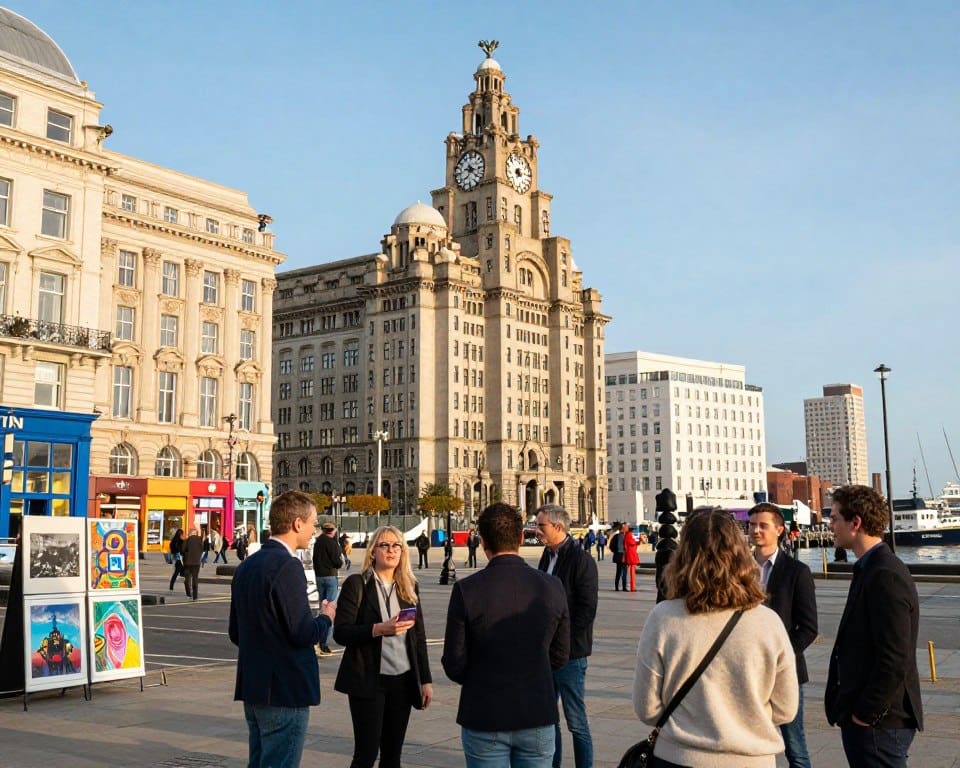

Liverpool packs a lot into a small area, making it ideal for a short cultural break. Visitors who want to visit Liverpool culture will find a compact city where heritage, music and contemporary arts sit close together.
The UNESCO-listed waterfront, world-class museums such as the Walker Art Gallery and the World Museum, and the Cavern Club’s ties to The Beatles form the backbone of Liverpool heritage tourism. At the same time, galleries, festivals and independent venues keep Liverpool arts travel lively and new.
Practical transport links add to the appeal. Direct trains from London and Manchester, plus services at Liverpool John Lennon Airport, make a Liverpool cultural trip easy to plan. The city centre is highly walkable and well served by buses and Merseyrail, so you can pack a full itinerary into a single weekend.
This article will show how Liverpool’s layered history and living culture offer concentrated rewards for weekend-break travellers, music fans, families and students. Read on to discover why a visit to Liverpool delivers memorable cultural encounters in a very manageable city.
What makes Liverpool a great destination for a cultural trip?
Liverpool wears its past with pride and opens it to curious visitors. The city’s waterfront and port buildings tell stories of trade, migration and industry. Walks along the Pier Head and dockside reveal the scale of that legacy while inviting exploration of modern cultural life.
Historic waterfront and UNESCO influence
The Pier Head, Albert Dock and neighbouring quays once formed the Liverpool Maritime Mercantile City. This area showcases how maritime innovation shaped the city from the 18th century onwards. A stroll here mixes striking skyline views with the approachable narratives of dockworkers, shipowners and emigrants.
Albert Dock history is visible in the restored warehouses that now host galleries, cafés and museums. The Three Graces—Royal Liver Building, Cunard Building and Port of Liverpool Building—anchor many heritage walks and make for memorable photographs.
Museums and galleries with national significance
National Museums Liverpool runs major venues that suit varied interests. World Museum covers natural history and archaeology. The Walker Art Gallery presents fine art spanning centuries. The Merseyside Maritime Museum documents the port’s social and maritime past.
Tate Liverpool brings international modern art to the north-west and complements independent spaces around the city. The Beatles Story and Museum of Liverpool give local voices centre stage, linking neighbourhood life to broader national themes.
Music heritage and contemporary scenes
Music pulses through Liverpool’s streets. Beatles heritage is the obvious draw, from themed tours to dedicated exhibits. That history sits beside a vivid live scene that never rests.
The Cavern Club remains symbolic, while venues such as Philharmonic Hall and smaller clubs nurture jazz, indie, folk and electronic acts. The Liverpool music scene thrives on independent promoters, student audiences and a culture that welcomes new talent.
Visitors can pair nostalgia with discovery. Record shops, walking tours and current gig listings help travellers experience both legacy and fresh sounds. For after-dark recommendations that blend traditional pubs and modern lounges, see a practical guide to local nightlife here.
Architectural landmarks and neighbourhood character for cultural exploration
Liverpool invites visitors to read its story in brick, stone and glass. A short walk reveals neoclassical civic pride, bold modern interventions and clever reuse of dockland buildings. These layers give purpose to cultural visits and reward slow exploration of Liverpool architecture and urban form.
Iconic buildings form the backbone of many city walks. St George’s Hall offers grand neoclassical spaces for concerts and events. The fine townhouses in the Georgian quarter Liverpool sit on tree-lined streets that are calm and intimate. Public squares, waterfront promenades and the regenerated retail quarter provide stages for markets, performances and public art.
Adaptive reuse is visible across the city. Former warehouses and industrial sheds have become galleries, studios and media hubs. These conversions chart Liverpool’s shift from port to creative economy and make for engaging visits to contemporary galleries and workspaces.
Iconic architecture and public spaces
St George’s Hall stands as a civic landmark amid memorials and statues. Bold Street and Liverpool ONE show how streetscape design supports cultural life. Sculptures, murals and temporary installations appear across plazas, creating new focal points for residents and visitors.
Distinctive neighbourhoods with local stories
The Ropewalks area grew from rope-making for shipping into a lively creative quarter. Independent shops, music venues and street art give the quarter a gritty, inventive energy.
The Baltic Triangle is a model of industrial renewal. Former factories now host galleries, digital start-ups and street-food markets. The area pulses with experimental arts and immersive events.
Across Chinatown and Toxteth, migration has shaped streets, cuisines and community festivals. The Chinese arch and local community projects illustrate Liverpool neighbourhoods that hold deep social histories.
Walking routes and guided tours
- Self-guided trails link the waterfront, Georgian quarter Liverpool, Ropewalks and the Baltic Triangle for a coherent architecture-led day out.
- Specialist walks examine Beatles history, maritime heritage and Black and Asian contributions to the city’s culture.
- Guided options include architectural tours and themed Liverpool walking tours at different times of day, plus river cruises that bring a maritime viewpoint.
Choose slow walks to savour façades and side streets, or join an organised tour to hear expert stories. Either way, exploring Liverpool neighbourhoods this way sharpens understanding of place and people.
Vibrant arts, festivals and performance culture
Liverpool pulses with live creativity, from major stages to grassroots projects. The city’s rich mix of venues and companies makes it easy to find something that sparks curiosity and moves the heart.
Theatre, dance and contemporary performance
Landmarks such as the Liverpool Empire and the Playhouse host touring musicals and West End transfers alongside bold local work. FACT and Unity Theatre champion experimental film, digital art and community-led productions. Small studios and cultural centres give rising choreographers and Liverpool dance companies room to test new ideas.
Community projects bring amateur and professional talent together to make performances accessible. Universities including the University of Liverpool and Liverpool John Moores University help sustain research-led residencies and public talks that connect practice with audiences.
Annual festivals and cultural events
The city’s calendar is lively, with flagship events that turn streets and galleries into shared stages. The Liverpool Biennial invites international artists to reimagine public space through new commissions. LightNight Liverpool transforms venues for an evening of performances and late openings, creating conversation across the city.
Other gatherings such as Africa Oyé and the Liverpool International Music Festival fill parks and piazzas with music, food and dance. These occasions sit beside seasonal markets and maritime commemorations that attract local families and visitors alike.
Independent art spaces and creative communities
Independent galleries Liverpool and artist studios in the Baltic Triangle, Ropewalks and Hope Street form a network of experiment and exchange. Creative incubators and co-working spaces help digital and visual artists scale projects and reach new audiences.
Community-led initiatives use art to tackle local issues, from heritage interpretation to youth engagement. For a sense of how urban culture and shared experiences can shape a visit, see a practical example in this guide to cultural nights in a different UK city.
- Major venues and local stages working side by side
- Annual events that open the city to unexpected encounters
- Independent galleries and studios feeding long-term creative growth
Food, museums and visitor experience that enrich a cultural trip
Liverpool’s food scene is an expression of its trading past and multicultural population. From hearty Scouse in traditional pubs to seafood restaurants along the waterfront, the city serves history on a plate. Bold Street and Chinatown offer independent cafés and international flavours, while markets such as Baltic Market and local farmers’ markets bring street-food, artisanal produce and pop-up culture that enliven daytime and evening plans.
Dining at Albert Dock restaurants combines riverside views with contemporary cooking, and food tours link flavours to the city’s social story. Sampling street vendors or joining a tasting experience helps visitors understand how dockside commodities and modern chef-led kitchens shape local taste. For those seeking the best places to eat Liverpool rewards curiosity, from informal markets to refined bistros.
Museums complement culinary discovery by offering accessible interpretation and interactive displays. The World Museum and the Museum of Liverpool provide family-friendly galleries and learning programmes that deepen context. Many venues maintain free entry to permanent collections and timed-ticketed shows, so the Liverpool museums visitor experience is inclusive and affordable for cultural weekends Liverpool visitors.
Practical planning enhances the trip: book popular exhibitions and evening performances in advance, favour walking routes or public transport to enjoy the city’s compact scale, and leave time for spontaneous visits to indie shops, music venues and pop-up events. Combined, food, museums and thoughtful visitor facilities create layered itineraries that make cultural weekends Liverpool memorable and warmly welcoming.