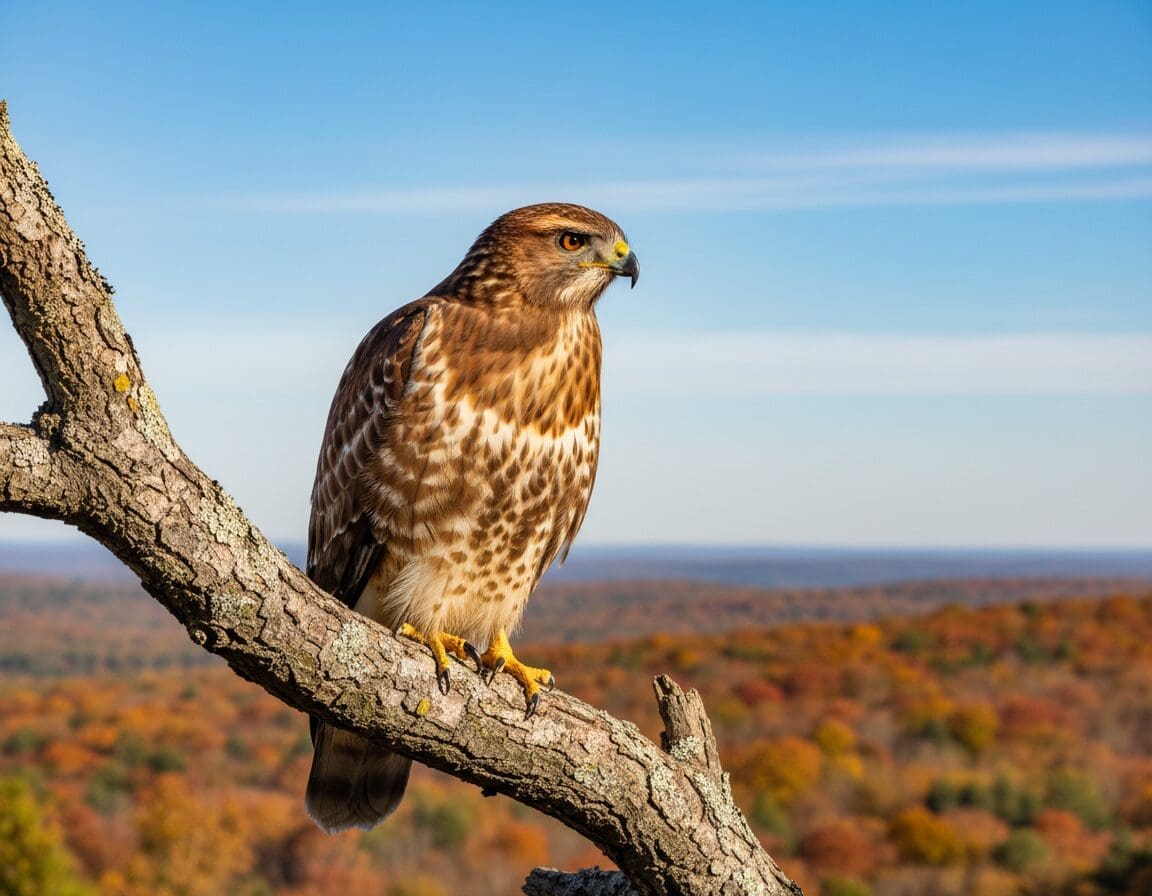
What does a hawk mean is the question at the heart of this short guide. This opening section sets out the hawk meaning and outlines why hawk symbolism matters in spiritual, cultural and natural contexts.
At a glance, hawk symbolism centres on vision and clarity, vigilance and awareness, freedom and perspective. Hawks often appear as messengers and signs of personal empowerment. The spiritual meaning of hawk can shift with context — whether a live sighting, a dream or a totem — and varies by species and culture.
Recognising hawk significance can help with decision‑making, creative work and personal growth. A clear sighting or recurring dream can act as practical guidance, offering fresh perspective or a call to wakeful attention in everyday life.
This article combines ornithology, cultural anthropology, recorded spiritual traditions and contemporary practice to give a balanced, evidence‑informed view. Readers can expect separate sections on spiritual meanings, historical contexts, natural behaviour and practical ways to apply hawk symbolism.
Read on to explore how the hawk’s sharp sight and steady flight have inspired belief and practice across regions and eras, and to learn ways to bring that symbolism into your life.
what does a hawk mean in spiritual and symbolic contexts
The hawk appears across spiritual paths as a signpost for attention and movement. People who encounter a hawk in ritual or daily life often pause to ask how its presence might speak to their current choices. This introduction outlines how the bird functions as a guide and symbol in modern practice and in older traditions, with care for cultural sensitivity when adopting totemic ideas.
Hawk as a totem and spirit animal
A totem and a spirit animal refer to symbolic relationships between a person or group and an animal that embodies useful qualities. Respectful use requires awareness of indigenous origins and avoids appropriation. The hawk totem meaning centres on heightened perception, leadership and swift decision‑making. People who work with the hawk spirit animal seek sharper focus, strategic thinking and protective energy.
- Meditation on hawk imagery can sharpen mental clarity.
- Wearing hawk symbols is a way to remind oneself of vigilance.
- Vision quests adapted for modern seekers use hawk qualities as inspiration.
Ethnographic accounts and contemporary guides note the hawk’s prominence among raptors for symbolic leadership. Practitioners borrow these traits with respect and attribution, blending old insights with personal discovery.
Messages and guidance associated with hawk sightings
Many cultures treat a sudden hawk sighting as a nudge to pay attention. The hawk sighting meaning depends on context: a hawk circling high suggests stepping back for perspective, while a low flypast may call for immediate action. Observers are urged to watch quietly, note feelings and write down first impressions.
- Record the sighting and any thoughts that arise.
- Reflect on decisions or opportunities needing clarity.
- Balance intuition with practical assessment to avoid wishful patterns.
Sceptical views remind us that coincidence and pattern‑seeking shape perceived signs. Combining reason with instinct gives the most grounded response.
Symbolic themes: vision, vigilance and freedom
Hawk symbolic themes centre on sight, watchfulness and release. Sharp eyesight becomes a metaphor for insight and foresight, the ability to discern what matters from a distance. Vigilance draws on territorial behaviour and alerts us to protection and boundary setting.
Flight evokes freedom and an elevated view. Rising above a problem reveals alternatives and brings calm focus. Vision fuels vigilant action, while freedom offers room to choose a careful path.
Interpreting hawk dreams and visions
Dream motifs with hawks appear in many guises: circling, attacking, perching and transforming. Each image carries a nuance. Circling hints at the need for overview, attack signals confrontation with an issue, and perching suggests a pause for reflection.
For hawk dream interpretation, note the emotional tone, current life context and cultural background. Keep a dream journal and map links to work, relationships or projects. Jungian readings view hawks as messengers from the unconscious, while cognitive approaches point to memory and association.
Practical steps include recording the dream, listing immediate associations and testing insights through mindful action. Apply what feels relevant, remain open to further signs and revisit notes when choices require clarity.
Cultural and historical meanings of the hawk across traditions
The hawk has traced a remarkable path through human stories. Across continents, people have read meaning into its flight, cry and piercing gaze. This short survey explores how hawk cultural meaning appears in distinct traditions and what it has meant to communities from the Plains to the Nile and the Celtic fringe.
Hawks in Indigenous North America
Many Plains and Eastern Woodlands nations regard the Native American hawk as a messenger and guardian. Tribes such as the Lakota and Haudenosaunee record varied tribal perspectives that place hawks in roles of vision, spiritual guidance and warriorship.
Hawk feathers and imagery appear in ceremonial regalia, dances and rituals where permitted by each community. Legal protections in the United States and customs in the United Kingdom guide respectful use. People are urged to follow community-specific protocols and to avoid appropriation of sacred items.
Documented attributes link the bird to a bridge between human and spirit worlds, and to duties of messenger and sentinel during communal rites.
Raptors in Ancient Egypt and the Greco‑Roman world
In Egypt, a prominent Egyptian hawk god figure appears in the form of Horus. He is often shown as a falcon or a man with a falcon head, symbolising kingship, the sky and protection of pharaohs. Hawks and falcons feature heavily in funerary and royal iconography.
In Greco‑Roman culture, augurs watched hawks and other birds of prey for omens that could shape state decisions. Hawks also act as attributes for deities tied to war, hunting or the heavens, weaving hawk symbolism history into civic and mythic life.
These traditions show cross-cultural parallels in human attention to raptors’ power and striking appearance, reflecting shared impulses to mark hawks as agents between earth and sky.
Hawk imagery in Celtic and British lore
Medieval Irish and Welsh tales include hawks and goshawks as symbols of sovereignty, hunting skill and otherworldly messengers. Poets and chroniclers placed raptors within narratives of kingship and questing hunters.
British falconry formed a long social tradition that linked hawks with status, skill and a human partnership with nature. Hawking shaped regional attitudes and left motifs in ballads and folk tales.
Folkloric motifs cast hawks as omens, guides for hunters or beings that could lead travellers. Local stories sometimes credit hawks with signalling weather shifts or helping lost walkers find their way. Contemporary falconry centres and festivals in the UK keep this cultural thread alive and visible.
Hawk behaviour and natural meanings that shape symbolism
Hawks sit at the crossroads of sight and action. A short introduction to hawk biology helps ground symbolic readings in observable facts. These birds are diurnal raptors with exceptional eyesight that lets them spot prey from great heights. Their hunting methods vary from high circling and stooping to sudden ambushes in woodland. Such traits feed the human imagination and give rise to symbolic themes of clarity and decisive movement.
Hunting technique and sharp vision: biological roots of symbolism
Hawks show a range of hunting styles. Some soar and scan large areas, then stoop with precision. Others, like the goshawk and sparrowhawk, dart through trees with tight manoeuvres and quick strikes. This variety links directly to meanings we attach to them: acute sight becomes a metaphor for insight and foresight, while focused hunting suggests decisive action and refined skill.
Migration, territoriality and seasonal significance
Many species take part in long seasonal journeys. Broad‑winged and other migrants gather in autumn and spring, creating striking patterns that draw human attention. These movements inspire ideas of travel, timing and endurance.
Territorial behaviour adds another layer. Hawks defend nests and perches vigorously during breeding season. Nesting cycles tie hawk activity to spring renewal and family protection. Watching bird migration at UK coastal headlands and observatories turns abstract symbolism into direct experience.
Different species and how their traits influence interpretations
The label “hawk” covers a wide set of raptors with distinct calls, sizes and habits. In Britain, the term overlaps with buzzard and kestrel in everyday speech. Each species carries its own species meaning in folklore and personal reflection.
- Kestrels hover and hunt small prey; they often symbolise patience, attention to detail and steady focus.
- Goshawks operate as powerful woodland hunters; they suggest strength, stealth and mastery of a domain.
- Broader, soaring species that resemble the red‑tailed type bring to mind authority and a wide, strategic perspective, linking to red‑tailed hawk symbolism in broader cultural use.
Knowing local birds helps refine interpretation. Learning identification and natural history connects symbolic reading to real hawk behaviour and conservation. Recent UK recovery efforts for peregrines and protected nesting sites show how respect for living raptors links meaning with stewardship. Observing these birds encourages a practical, living dialogue between human values and hawk biology.
How to apply hawk symbolism in your life and practise
Keep a hawk sightings and insights journal to track actual sightings, dreams and moments of intuition. Note the date, setting and any decisions you were weighing. Use simple prompts: What am I overlooking? Where do I need clearer vision? What boundaries need protecting? These brief entries build a pattern of hawk guidance you can revisit.
Use practical rituals and mindful practices to embody hawk traits. Try a short hawk meditation visualising soaring above a problem to gain perspective, or sit with the image of a hawk perched to cultivate watchfulness. Combine breathwork—short, steady breaths for decisive action—with sustained attention exercises to develop vigilance without anxiety.
Apply hawk symbolism to decisions and leadership by asking focused questions: What higher perspective is missing? When is swift action needed? What should I protect or claim? Bring clarity to communication, time your actions strategically and practise patient waiting until conditions are right—traits modelled on hawk behaviour.
Adopt ethical, wildlife‑friendly habits. Learn about local traditions before borrowing ceremonial elements and support conservation groups such as the Royal Society for the Protection of Birds or The Hawk Conservancy Trust rather than buying feathers. For deeper learning, visit a raptor centre, join a migration watch or consult ornithological guides and books on bird symbolism to complement your spiritual practice hawk and hawk practices.