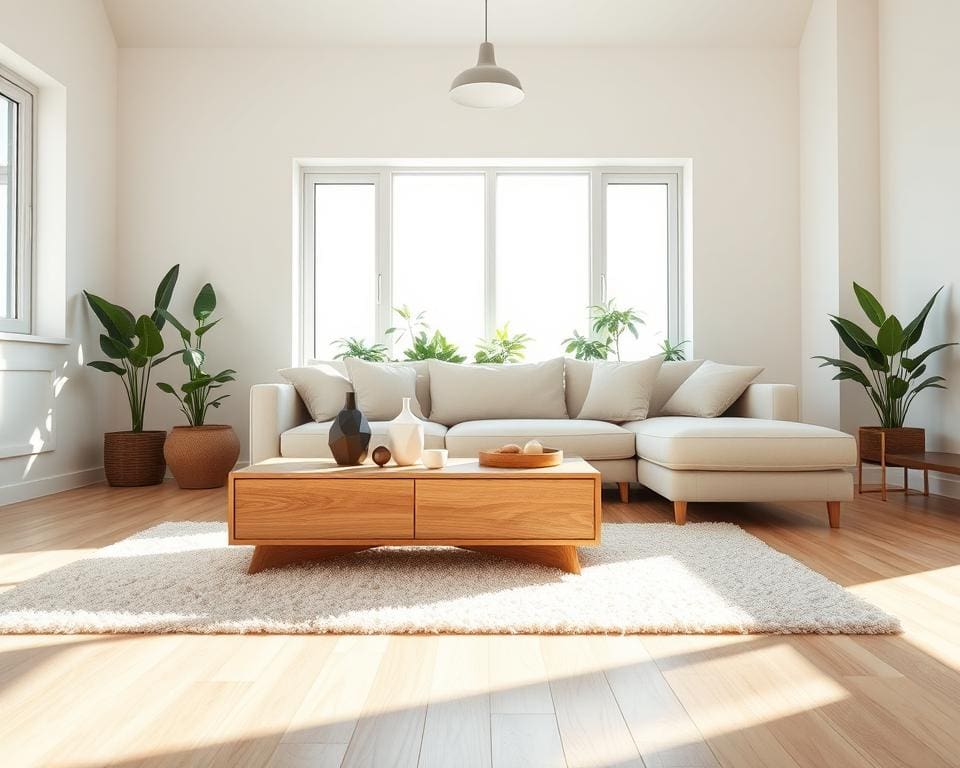

Scandinavian design influence is visible in homes across the UK and beyond. Originating in Denmark, Sweden, Norway and Finland in the early to mid-20th century, the movement grew from a need for practical, affordable and beautiful goods after the war.
Pioneers such as Alvar Aalto, Arne Jacobsen and Finn Juhl showed how democratic design could combine form and function. Their work reflected Nordic social‑democratic values and a focus on well-made pieces for everyday life.
Today, modern interior design borrows those core ideas. The minimalist Scandinavian style suits open-plan living, small-city flats and the desire for calm, clutter-free rooms. It also supports sustainable choices and long-lasting craftsmanship.
Practical outcomes include prioritised natural light, pared-back palettes, multifunctional furniture and high-quality materials. Brands like IKEA, Fritz Hansen and Muuto helped spread this aesthetic worldwide, shaping what we now call Scandinavian interiors UK.
This article will unpack the movement’s core principles, identify the key elements adopted in contemporary homes, and offer actionable tips for UK homeowners. The aim is to explain why Scandinavian design influence endures as a leading trend for livable, sustainable spaces.
How does Scandinavian design influence modern interiors?
Scandinavian design influence reaches beyond a look. It frames how rooms are planned, furnished and lived in. Roots in Bauhaus thinking and Nordic craft traditions gave rise to five core tenets: simplicity, functionality, minimal ornamentation, human-centred ergonomics and a strong connection to nature.
Core principles shaping contemporary spaces
The five tenets create a clear rulebook for calm, useful interiors. Simplicity favours clean lines and uncluttered layouts. Functionality places use before form. Minimal ornamentation keeps surfaces and shapes understated. Human-centred ergonomics mean chairs and work surfaces are designed for comfort and posture. A connection to nature appears through finishes and materials.
These ideas follow the democratic design ethos promoted by brands like IKEA and Artek, where beauty and usefulness are available to many. Sustainability and longevity sit at the heart of that ethos. Designers prefer durable, timeless forms that reduce waste and extend an item’s life.
Minimalism and functionalism in everyday rooms
Minimalism in interiors here is practical restraint, not cold austerity. Rooms feel open and uncluttered yet warm and welcoming. Soft textiles and considered ornament add comfort without excess.
Functionalism shows up as built-in storage, multipurpose furniture and compact layouts ideal for city flats. Think sofas with storage, extendable dining tables and fitted wardrobes that make a small space work harder.
Ergonomics matter. Mid-century chairs by designers such as Hans Wegner exemplify a balance of form and support. Good furniture supports daily routines and encourages healthy posture.
Ways natural materials and light are prioritised
Natural materials are central. Light woods like oak, ash and pine pair with leather, wool, linen and stone to give tactile warmth and durability. These choices create interiors that age gracefully.
Maximising light is a cultural response to long Nordic winters. Pale colour schemes, sheer window treatments and mirrored surfaces help spread daylight deep into rooms. Open-plan arrangements let light move freely between zones.
The focus on daylight blends with hygge—cozy elements that lift wellbeing when light is scarce. Together, these strategies show how Scandinavian design principles shape modern spaces to be bright, resilient and humane.
Key elements of Scandinavian style that modern interiors adopt
Scandinavian interiors rely on a calm, considered mix of colour, form, fabric and light. Each choice aims to make rooms feel brighter, more usable and quietly elegant. The following points outline how that aesthetic translates into practical decisions for UK homes.
Colour palette: neutrals, soft pastels and the role of contrast
The typical Scandinavian colour palette uses dominant neutrals — white, off-white, soft grey and warm beige — as a canvas to amplify daylight. Pale walls help north-facing or small rooms appear larger and airier.
Selective accents in muted blues, blush pinks or sage green introduce calm colour without disturbing tranquillity. Black or deep charcoal details, such as window frames or pendant lights, add graphic contrast and frame views.
Furniture: clean lines, ergonomic design and multifunctional pieces
Nordic furniture design favours simple silhouettes, tapered legs and exposed wood grain. Attention to joinery and proportion makes pieces feel refined and durable.
Choose multifunctional items for modern living: extendable dining tables, nesting coffee tables, sofa beds and storage ottomans maximise space. Brands and designers like Arne Jacobsen, Poul Kjærholm, Fritz Hansen, HAY, Muuto and IKEA show how good design can suit varied budgets.
Ergonomic planning supports comfortable seating and well-proportioned work areas. Adaptable furniture works well in smaller UK dwellings and home offices.
Textures and textiles: layering warmth without clutter
Scandinavian textiles favour natural fibres such as wool, sheepskin, linen and cotton to bring tactile warmth and reduce echoes. Rugs over timber floors and a few cushions or throws create cosiness without clutter.
Mix textures with restraint: pair one pronounced texture with smoother, subtler surfaces to avoid visual busyness. These minimalist textures work with the UK climate, offering insulation in winter while remaining breathable in warmer months.
Lighting strategies: maximising natural light and cosy artificial lighting
Daylight-first planning uses large, unobstructed windows, light-reflecting paint and minimal heavy curtains to bring the outside in. Glass doors or internal glazing help move light through the plan.
Artificial lighting is layered: ambient ceiling fittings, task lamps for reading and kitchens, and accent lights to set mood after dark. Signature fixtures range from simple pendants to aluminium or brass pieces with efficient LED sources.
Warm, dimmable systems promote hygge lighting and a sense of wellbeing during long UK winters.
Practical tips to incorporate Scandinavian influences in UK homes
Scandi style feels calm and practical. Use a few clear rules to bring it into flats and houses across the UK. Below are focused, room-level suggestions, budget swaps and sourcing tips that work well for British homes.
Room-by-room suggestions for living rooms, kitchens and bedrooms
Living rooms respond well to a light neutral wall colour and a simple sofa with wooden legs. Add a single statement rug plus textured cushions to create warmth. Keep surfaces neat with built-in cupboards or classic sideboards to preserve that uncluttered feel.
Kitchens benefit from handleless or plain cabinetry in pale tones. Fit open shelving for curated displays and choose natural worktops in timber or honed stone. Use brass or matte black fixtures for contrast and plan the layout for both cooking and socialising.
Bedrooms should be calm and slow. Opt for soft linens and low-profile bedframes in light woods. Keep bedside storage minimal. Layer lighting with a central pendant and wall-mounted lamps so restfulness is boosted without visual clutter.
For small UK flats, folding tables, wall-mounted shelves and multifunctional furniture free up floor space. These room-by-room Scandinavian ideas help each area feel larger and more intentional.
Budget-friendly swaps and statement pieces to consider
Simple swaps can shift a room quickly. Repaint walls in a pale neutral and change heavy curtains for linen blinds. Add a wool throw or a sheepskin for immediate texture. Hunt for second-hand mid-century pieces that can be restored on a modest budget.
Balance thrifty finds with one high-impact item. An iconic chair, a well-made sofa, a striking pendant or a solid dining table anchors the room. Mix affordable staples from IKEA or Habitat with a focal piece from Made.com, Heal’s or Barker and Stonehouse to create depth without overspending.
Sourcing sustainable and locally-made materials and furniture
Choose FSC-certified timber and GOTS-certified textiles to lower environmental impact. Use low-VOC paints to improve indoor air quality. Seek out UK artisans and small workshops for made-to-measure storage and bespoke items that last.
Look for transparency in supply chains and check certifications before you buy. Consider preloved designer furniture through reputable second-hand dealers or auctions to extend product lifespans. These steps make sustainable furniture UK choices practical and stylish.
- Practical tip: combine budget Scandinavian decor with one durable statement piece for longevity.
- Practical tip: follow room-by-room Scandinavian ideas to match function with form.
- Practical tip: prioritise sustainable furniture UK and local makers where possible.
Why Scandinavian design endures in modern interior trends
Scandinavian design endures because it answers real needs. Its mix of timeless interior design and practical efficiency suits modern life, from compact London flats to spacious countryside homes. Simple forms, neutral tones and quality materials create calm, adaptable spaces that work with changing tastes rather than against them.
The focus on craftsmanship and durable materials explains why Scandinavian style lasts. Well-made furniture and considered finishes age with character, reducing the urge to replace items each season. This resilience aligns with sustainable design trends and encourages more thoughtful buying across both high-street retailers and independent makers.
Beyond aesthetics, the appeal is cultural. The idea of hygge longevity — a lasting sense of cosy contentment — meets contemporary priorities like wellbeing and decluttered living. As environmental awareness grows and remote work reshapes homes, the human-centred principles of simplicity, natural light and multifunctional pieces remain highly relevant.
Looking ahead, the principles behind enduring Scandinavian design will keep shaping interiors. Simplicity, adaptability and the use of natural materials provide a practical blueprint for flexible living. Those qualities ensure the style continues to inform product design and interior choices across the UK for years to come.