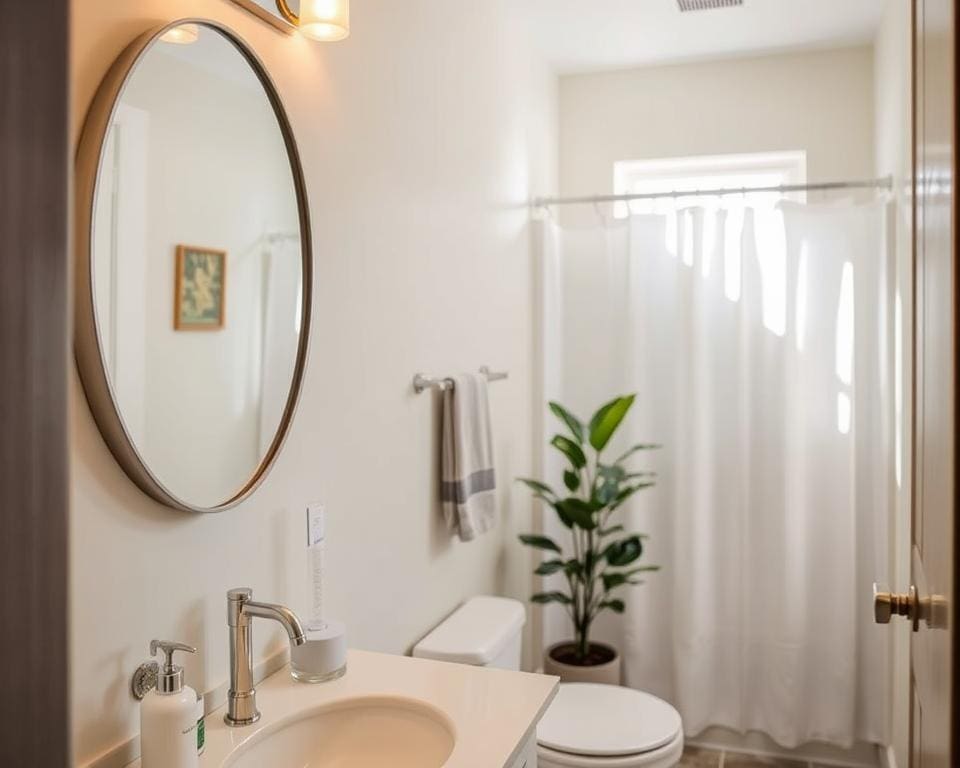

Refreshing a bathroom need not mean tearing out tiles or relocating pipes. This guide shows UK homeowners and renters practical bathroom refresh ideas that deliver big visual change with low disruption. Whether you want a budget bathroom makeover UK or a few quick bathroom updates, the emphasis is on achievable results, cost control and minimal mess.
Many readers face tight budgets, fixed plumbing layouts or rental restrictions. Non-renovation bathroom improvements respond to those limits by offering faster completion, lower cost and less waste. Reusing quality fixtures and fitting water-efficient taps and showerheads can cut bills and support sustainability, so a smaller project can still add value.
Think in three steps: plan, refresh and refine. First define goals and a clear budget. Next apply cosmetic changes and selective fixes. Finally upgrade hardware, lighting and storage to lift function and style. Later sections dive into quick cosmetic changes, fixture swaps and small DIY projects that together create a coherent, staged update.
For parts you won’t tackle yourself, consult reputable UK suppliers and brands such as Victorian Plumbing, B&Q, Wickes, Screwfix and John Lewis & Partners, and look to Waterwise for sustainability guidance. For plumbing or electrical work beyond basic DIY, book Gas Safe or NICEIC-registered tradespeople to keep the project safe and compliant.
Read on and you will finish with a clear, actionable plan tailored to your needs — from single-day touches like paint and accessories to staged upgrades such as tap replacement, regrouting and new lighting that transform the look without a full renovation.
How do you update your bathroom without full renovation?
Start with a clear bathroom update plan that matches your lifestyle and timeline. A brief, honest appraisal helps you decide whether you need a quick style refresh or a deeper upgrade. Keep your bathroom priorities front of mind so small changes deliver the biggest daily benefits.
Define your goals and budget
List what you want to achieve: modernise the look, boost storage, improve function, raise resale appeal or create a calmer space. Set a realistic bracket for costs. For example, small refreshes may sit between £50–£500, mid-range updates around £500–£2,500, and high-impact, non-structural upgrades from £2,500–£7,000. Allow a 10–15% contingency for surprises.
Decide how much disruption you can tolerate. Single-day swaps suit busy households. Weekend projects fit most DIYers. Trades work over several days may be needed for plumbing or wiring. Renters should check tenancy rules and plan reversible alterations.
Assess what can be refreshed versus what needs replacing
Begin by inspect[ing] the room to assess bathroom condition. Look for leaks, poor ventilation, mould, loose tiles, damaged grout and any broken fittings. Safety comes first. If you find plumbing or wiring faults, hire a qualified tradesperson.
Make two lists: items to refresh such as paint, grout, accessories and soft furnishings; and items to replace like worn taps, failed seals, ageing shower units or inefficient WC mechanisms. Think about lifespan and cost-effectiveness. Replacing an old dual-flush WC or a faulty shower valve can save water and improve performance more than a cosmetic tweak.
Photograph the existing layout and fittings to share with tradespeople or to guide sourcing and quotes.
Prioritise impact vs cost for a staged update
Rank interventions by visual impact and expense. Quick, high-impact, low-cost moves include fresh paint, regrouting, new mirrors and updated accessories. Mid-level investments such as modern taps, a lit mirror or resurfaced vanity yield strong returns for modest spend. Larger but still partial works might include refitting a vanity or installing a new shower tray when layout allows.
Build a staged bathroom update: immediate weekend wins first; next stage for small plumbing tasks lasting one to three days; final stage for any trades-led work over several days. Allocate your funds to quick wins that improve daily use and aesthetics, saving bigger investments for later when time or budget allows.
Quick cosmetic changes to refresh style and mood
Small updates can change a bathroom’s feel without a full renovation. Focus on quick wins that lift light, texture and colour. A mix of paint, tile updates and new soft furnishings delivers a fresh look on a modest budget.
Swap paint and wall treatments for an instant lift
Choose a specialist paint for bathroom use such as Dulux Trade Bathroom+ or Johnstone’s Bathroom Paint to cut mould and moisture issues. Lighter neutrals make compact rooms feel larger, while spa blues and greens add calm. For a bold touch, pick one accent wall.
Consider moisture-resistant wallpaper or vinyl panels from Graham & Brown or Arthouse for a feature area. Prep well: ventilate, treat mildew with a fungicidal wash, sand and prime. Tile-over paint needs an appropriate primer and an epoxy or enamel finish.
Paint tasks are affordable and quick, often done in a day or over a weekend with costs from around £20–£150 for materials.
Update tiles selectively: feature walls and grout refresh
Instead of retilling the whole room, install a feature wall behind the bath or basin. Use stick-on tile panels or new tiles fitted by a tiler for texture and pattern without a full overhaul.
Grout cleaning UK is a low-cost way to revive tiled areas. Deep-clean grout with a steam cleaner or oxygen bleach, then regrout or apply a grout colourant. Seal grout with a silicone-based sealer to extend its life.
Tile stickers or tile paint offer temporary options that mimic subway or geometric styles. Expect grout refresh costs from around £10–£100 and feature wall work from roughly £200–£800 depending on materials and labour.
Replace soft furnishings and accessories for seasonal style
A bathroom accessories update is one of the fastest ways to shift mood. Swap bath mats, towels, shower curtains and dispensers for a coordinated scheme from retailers such as John Lewis & Partners, Habitat, Next or Tesco Home.
Choose trending finishes like brushed brass, matte black or chrome and add plants that tolerate humidity, such as spider plants or Boston ferns, to boost tranquillity.
Textiles and small accessories are cost-effective; budgets from £10 for accents to about £200 for a coordinated set deliver a high visual return for little spend.
Hardware, fixtures and lighting upgrades that elevate the space
Small changes to hardware and lighting lift a bathroom without a full refit. Focus on quality finishes, better illumination and clever storage to make the room feel fresh and more functional.
Change taps, showerheads and handles for modern finishes
Swapping dated fittings for modern tap finishes such as matte black, brushed brass or polished chrome gives instant impact. Brands like Hansgrohe, Grohe, Bristan and Crosswater offer durable options that suit a range of budgets.
Choose WRAS-approved taps and A-rated showerheads to cut water use and energy bills. A straightforward bathroom taps upgrade can be a DIY task when pipework matches, but consult a qualified plumber for valve changes or new plumbing.
Install efficient lighting: task, ambient and accent layers
Layered lighting improves usability and mood. Add task lights around the basin, ambient ceiling lighting for even coverage and accent LEDs to highlight tiles or shelves.
Prioritise energy-efficient bathroom lighting with warm 2700–3000K LEDs for a welcoming feel. Consider dimmers to adjust mood and ensure fittings meet IP and safety standards, with installation by a qualified electrician when wiring changes are needed.
Upgrade mirrors and add storage-smart cabinetry
A bathroom mirror with light brightens grooming zones and doubles as a focal point. Backlit or demister mirrors add convenience and style without bulky changes.
Maximise space with bathroom storage solutions UK such as slimline vanity units, mirrored cabinets and floating shelves. Use pull-out organisers and drawer dividers to keep surfaces clear and improve daily routines.
- Budget ranges: simple taps £50–£250, mirrors £30–£400, cabinets from £100 upwards.
- Match hardware to modern tap finishes for a cohesive look.
- Prioritise IP-rated lighting and WRAS-approved fittings for safety and efficiency.
Practical improvements and small DIY projects to add value
Small maintenance tasks deliver visible results and protect the structure of your bathroom. Focus on regrouting bathroom tiles where grout is crumbling or stained, and replace sealant bath perimeters with sanitary silicone to stop leaks and mould. These simple repairs improve appearance and prevent costly damp issues that put buyers off.
Upgrade ageing internals such as WC mechanisms by fitting a modern dual-flush cistern or repairing existing parts to cut water use and bills. Improve ventilation by fitting a correctly sized extractor fan with a timer or humidistat; reputable UK options include Manrose and Vent-Axia. These bathroom maintenance tips reduce condensation and keep surfaces fresh for longer.
Choose small installations that feel luxurious: install heated towel rail units from Reina or Myson, either electric on a timer or plumbed into the central heating. Swap a dated bath panel for a sleeker panel or add a glass bath screen to modernise without moving plumbing. For rentals or quick wins, tension poles, adhesive hooks and shower caddies create smart storage without drilling.
Know what to DIY and when to call a professional. Manageable bathroom DIY projects UK include painting with bathroom-grade paint, cleaning and regrouting, replacing accessories and swapping simple taps. Leave plumbing valve work, cistern replacements and any electrical work in bathroom zones to Gas Safe-registered or NICEIC/Part P-compliant tradespeople. Finish with staging: folded towels, minimal clutter and a small plant to boost perceived value and appeal.