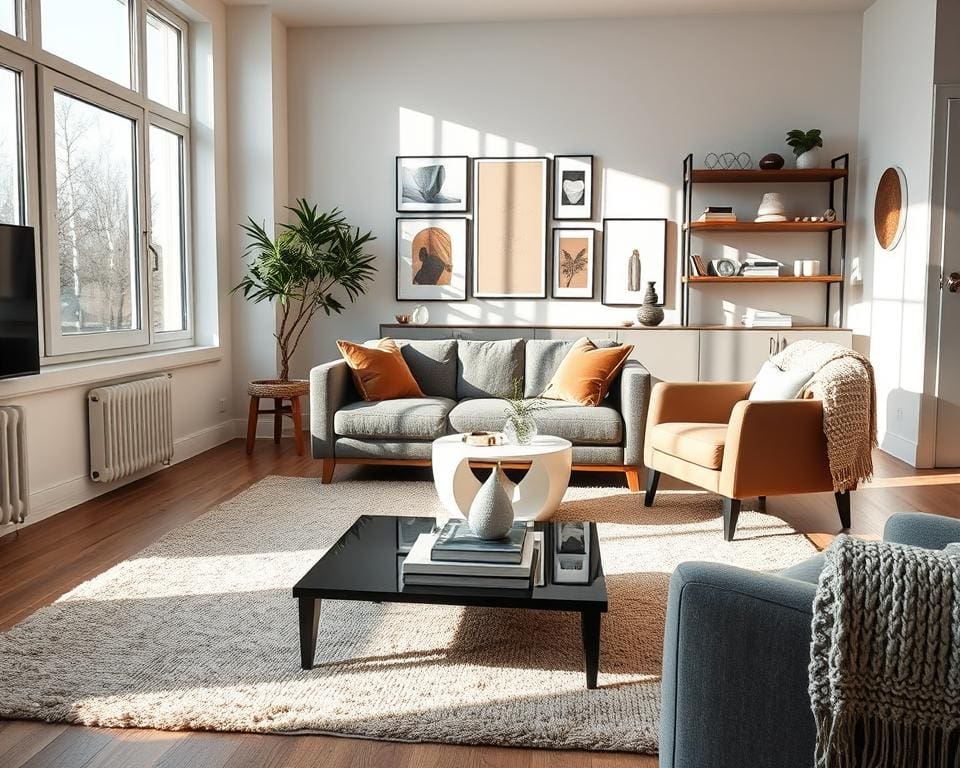

Blending style and function home is about making spaces that look beautiful and work hard for daily life. For many in the UK, from owners of Victorian terraces to residents of new-build apartments, thoughtful choices turn small rooms and planning limits into strengths.
This short guide shows how to combine style and functionality at home with a step-by-step mindset. Start by assessing needs, then plan layouts, pick durable materials and colours, and finish with practical styling. The result is practical stylish interiors UK that feel elegant and liveable.
Influences from Architectural Digest UK, Grand Designs and House & Garden point to layered lighting, multifunctional furniture and sustainable materials as trends to borrow. Use these functional design tips to balance personal taste with long-term durability and resale value.
Read on for clear sections that define goals, tackle spatial planning, explore material and colour choices, and offer home styling advice for storage, lighting and finishing touches.
How can you combine style and functionality at home?
Start by setting clear intentions. When planning a room, think about how you live day to day and what you want the space to say. Good interiors balance the practical needs of a family with a coherent visual language. This is the essence of defining style and functionality in a modern UK home design.
Defining style and functionality in a modern UK home
Style is a room’s visual dialect: scale, proportion, colour, furniture silhouettes and decorative detail. British traditions such as modern classic blends sit comfortably alongside Scandi-inspired minimalism and the calm lines of Japandi. Functionality is how the room performs — storage capacity, kitchen workflow, lighting levels, acoustic comfort and durability.
Practical metrics make decisions easier. Note cupboard litres, bench heights and clear circulation widths. Let form follow function, yet permit signature elements — a statement fireplace or patterned tile — to lift everyday performance into something memorable.
Assessing your needs: lifestyle, family, and space
Begin with a simple checklist to map real needs onto design. Consider household size and ages, how often you entertain, work-from-home set-ups, cooking habits, hobbies, pets and any mobility issues.
- Observe routines for a week and record friction points.
- Measure problem areas: hallway widths, kitchen run lengths, storage shortfalls.
- Note UK-specific constraints such as narrow Victorian hallways and small galley kitchens.
Small audits reveal obvious fixes: more sockets by charging zones, a boot bench to handle wet weather or a fitted wardrobe to reclaim cluttered rooms. These checks feed into lifestyle-driven interiors that match day-to-day demands.
Balancing priorities: when aesthetics meet practicality
Prioritise high-use zones for enduring materials and ample storage. Kitchens, family rooms and hallways should take the bulk of your budget and specification attention. Reserve bolder decorative moves for low-use focal points such as a bedroom feature wall or dining-room statement.
Compromise with clever pairings: Crypton-treated or performance-linen sofas give texture without fragility. Porcelain tiles and engineered oak survive heavy traffic while keeping an elegant look. Keep a neutral base to allow seasonal colour and accessories to change the mood.
- Invest in core items: fitted storage, reliable lighting and kitchen quality.
- Save on switchable accents: cushions, art and rugs.
- Choose trusted UK brands for longevity: Farrow & Ball paints, Neville Johnson storage, John Lewis & Partners upholstery and Villeroy & Boch or Porcelanosa surfaces.
These steps make balancing aesthetics and practicality manageable. The result is a home that reads as considered, supports daily life and grows with you.
Smart layout and space planning to marry form with function
Good homes start with one clear aim: make each square metre work hard and look inviting. Smart layout space planning brings order to open living, keeps movement easy and lets furniture earn its place. Below are practical ideas you can use today.
Zoning open-plan spaces for multiple uses
Define areas without building walls. Use rugs to anchor a seating area, a pendant from Tom Raffield to mark a reading nook, and a deVOL kitchen island as a multifunctional surface that separates cooking from lounging.
Low-backed sofas work as subtle room dividers. Steel-framed glazed screens create semi-permeable partitions while keeping light flowing. Bookcases and open shelving let you show objects and hide clutter, making open-plan zoning feel curated and calm.
Circulation and ergonomics: create comfortable, usable routes
Plan clear routes first. Keep main paths at least 90–100 cm wide. Allow 120 cm where two people pass. Keep kitchen work aisles near 90 cm to allow movement and safe cooking.
Place light switches and sockets at accessible heights. Avoid tall storage that breaks sightlines. Keep frequently used items within arm’s reach in kitchens and home offices to improve circulation ergonomics and reduce strain.
Design with ageing in mind. Fit lever handles, level thresholds and non-slip flooring. Add task lighting at worktops and beside beds to support long-term independence.
Flexible spaces: fold-away, multi-purpose and convertable furniture ideas
Choose pieces that change with your needs. Wall beds or Murphy beds convert a study to a guest room in minutes. Extendable tables suit intimate dinners and larger gatherings. Nesting tables and ottomans with storage adapt to seating demands.
Look to flexible furniture UK options for modular shelving and compact sofas. IKEA’s systems and MADE’s small-space ranges offer affordable modulars. Bespoke joiners deliver fitted solutions that maximise awkward corners.
Prioritise robust mechanisms and plan cable management for pop-up desks and media units. Select hardwearing fabrics with replaceable covers. Opt for easy-clean surfaces to extend the life of convertable furniture ideas and keep spaces feeling fresh.
- Use lighting, rugs and ceiling details to zone without walls.
- Keep circulation routes intuitive and wide enough for two people.
- Choose flexible furniture UK or bespoke pieces that fold, extend and store.
Material, colour and texture choices that look good and perform well
Choose materials that answer everyday life in a stylish way. Practical material choices UK buyers favour include porcelain or vitrified tiles for hallways and utility rooms, engineered oak or HDF laminates rated AC4/AC5 for living areas, and quartz or solid-surface worktops such as Silestone, Caesarstone or Corian for kitchens. These selections help deliver durable finishes high-traffic areas while keeping maintenance simple.
Durable finishes for busy zones
Pick washable matt emulsion for walls where marks are frequent. Use satin or eggshell on woodwork for easy cleaning. Seal timber floors and choose a grout designed for sealing to reduce staining and mould risk in damp British climates. For upholstery, performance fabrics like Sunbrella or Perennials and Crypton-treated textiles resist stains and wear. Leather is a classic choice for longevity when cared for correctly.
Choosing colours that enhance light and mood
Light-reflective neutrals open up north-facing rooms, while warmer tones create cosiness in south-facing spaces. Test paint samples across different walls and times of day to see true effects. Farrow & Ball, Little Greene and Dulux heritage palettes provide reliable shades for layering. Undercoats and appropriate sheen levels help the finish look as intended and remain easy to wipe clean.
Textures and textiles: warmth, acoustics and wearability
Rugs, heavyweight curtains and upholstered headboards soften sound and add comfort in terraces and flats. Wool and wool blends give warmth and durability. Cotton-linen mixes breathe well in humid rooms. Synthetic blends suit high-use cushions and sofas for easy care. Layered rugs and woven baskets bring tactile interest while improving organisation.
For acoustics, introduce wall panels or soft furnishings in living and bedroom zones. The Rug Company offers quality wool rugs, Timorous Beasties creates distinctive printed fabrics and Christy supplies durable towels and linens that suit British homes. Thoughtful texture choices improve perceived comfort and support long-term wearability.
Practical styling: storage, lighting and finishing touches
Good practical styling brings order and personality together. For sensible home storage solutions UK homeowners trust a mix of open shelving and concealed cupboards: everyday items in baskets or labelled boxes on open shelves, rarely used goods tucked into built-in cupboards or the loft, and treasured objects on dust-conscious display shelving. Consider bespoke fitted wardrobes from John Lewis fitted ranges or B&Q fitted options for awkward alcoves, plus hallway bench lockers and shallow entryway cupboards to keep shoes and outerwear under control.
Organisation products make style work harder. Use drawer inserts, vertical dividers for baking trays, pull-out larders and charging stations to remove visible clutter. Slimline trays corral keys and remotes while washable cushion covers and stain-resistant rugs protect surfaces in busy zones. For pre-owned quality, explore Gumtree, eBay and local antique centres or charity shops to find unique pieces that age well.
Layered lighting ideas create functional drama and a warm atmosphere. Combine ambient ceiling lights with task fittings—under-cabinet LED strips for kitchens and brighter lamps for reading—and accent spotlights or picture lights to highlight art. Aim for 200–300 lux on kitchen worktops, 100–150 lux in living spaces and stronger task-level illumination where needed. Warm temperatures of 2700–3000K suit cosy rooms, and smart controls such as Philips Hue or Lutron-compatible dimmers let you set scenes while saving energy.
Finishing touches should be decorative yet practical accessories that last. Choose durable door handles and taps in brushed brass or matte black for impact, and pick rugs and cushions that are machine-washable. Prioritise repair and longevity: buy from reputable UK brands, mend where possible, and schedule annual sealing or maintenance. Finish with a short checklist—sockets in the right places, tool-free assembly for modular pieces, and a trial period after reorganisation—to fine-tune the balance of style and function.