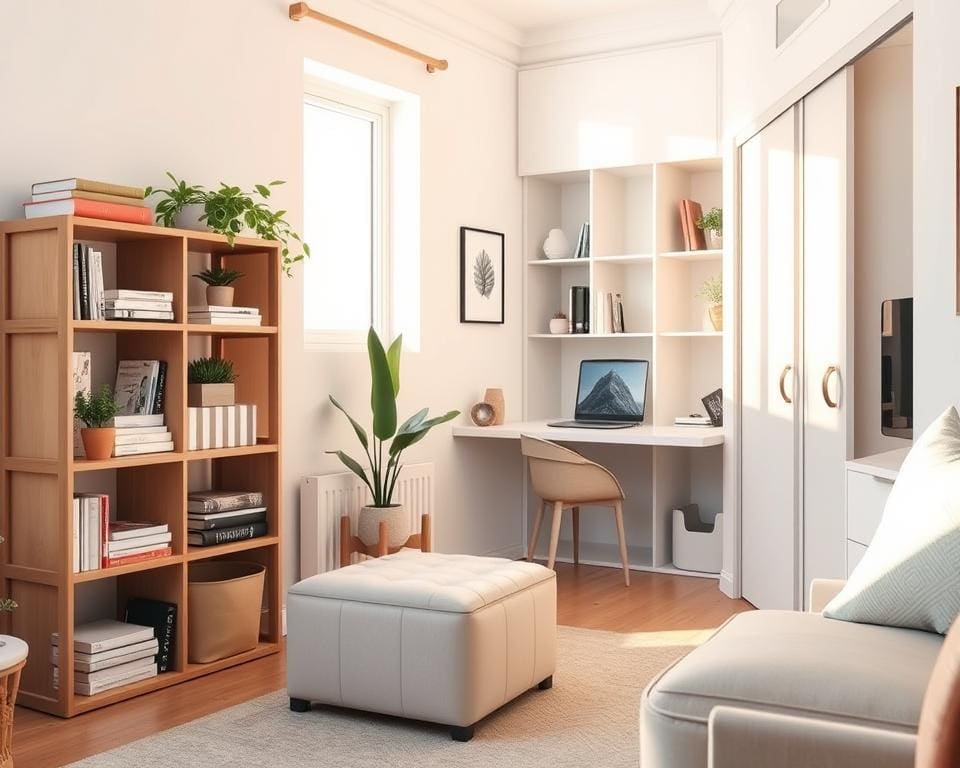

Living in a small flat or narrow terraced house does not mean you must live with clutter. This guide highlights the best storage solutions for small homes across the UK, from Victorian conversions to new-build apartments. It offers practical, stylish and achievable small home storage ideas that respect typical British layouts.
Start by framing the problem: limited floor area, seasonal clutter and rooms that must work doubly hard. The right approach helps you maximise space small flat living, create calmer rooms and make cleaning quicker. Expect ideas that lift usable floor area and boost a home’s appeal for guests or buyers.
Core principles drive every suggestion here. Declutter before you buy, measure carefully, and prioritise items you use most. Choose multi-functional pieces and favour vertical fixes. Sustainable choices—durable furniture from retailers such as IKEA, John Lewis & Partners, Habitat or Wayfair UK—cut waste and save money over time.
This article suits single occupants, couples, families in compact homes and students in halls. Follow the quick starting checklist: measure rooms and awkward spots; perform a possessions audit; sort into keep, donate or store; prioritise furniture that doubles as storage; and tackle one room at a time. Take photos of each room to spot hidden opportunities above doors, in corners and under stairs.
For inspiration and case studies, consult Grand Designs and Ideal Home, or speak to independent carpenters for bespoke shelving. With careful choices you can use space-saving storage UK methods and clever storage solutions for tiny homes to transform how your home feels—without major expense or upheaval.
What are the best storage solutions for small homes?
Smart storage starts with a clear plan. Begin by assessing storage needs so you know what to keep, what to donate and where to place items for easy access. A quick audit saves space and makes every shelf work harder.
Assessing your space and storage needs
Sort belongings into daily, weekly, seasonal and seldom-used categories. Use the four-box method: keep, donate, sell, store. Place daily items in the kitchen and living zones for fast access. Store seasonal goods in lofts, under-bed boxes or external units.
Measure tricky spaces carefully. Note height, width and depth of alcoves, gaps beside radiators and the under-stair void. Use a tape measure or a Bosch or DeWalt laser measure. Try apps such as Magicplan or RoomScan Pro to map rooms on your phone.
Prioritise by how often you use things. Keep the heaviest items low. Place most-used objects at eye level or in easy-to-reach drawers. Less-used pieces go higher up or lower down for safe, ergonomic storage.
Multi-functional furniture to multiply space
Choose multi-functional furniture UK shoppers favour to double purpose in small rooms. A storage sofa or sofa-bed gives seating and guest sleeping space. Look at DFS, Habitat or Argos for affordable options that hide blankets and magazines.
For bedrooms, consider bed frames with built-in drawers or ottoman lift-up storage. Drawer beds offer simple access. Ottoman beds give greater volume and work well with gas-lift pistons. Dreams and IKEA (MALM) offer good examples, or commission a local carpenter for bespoke sizes.
Extendable tables and nesting furniture are ideal for entertaining without wasting floor area. Use a small extendable dining table in compact kitchens. Nesting side tables slide away when not needed and create flexible surfaces for visitors.
Vertical and hidden storage strategies
Make the most of walls with slim, floor-to-ceiling cabinets and adjustable shelving. Products such as IKEA IVAR or PLATSA adapt as needs change and keep clutter off floors.
Convert under-stairs storage into useful units. Pull-out drawers, pigeonhole shelves or compact utility cupboards make the under-stairs space work hard. Local joiners, B&Q and Wickes supply DIY kits and panels if you prefer a self-fit project.
Use over-door organisers for shoes and accessories. Fit ceiling-mounted racks in garages or utility rooms for bikes and seasonal gear. Always check weight limits and secure fixings into studs or joists when installing.
Space-saving storage ideas for each room
Think of storage as a design tool that makes small homes feel calm and roomy. Start with a few clever swaps and built-in additions. Use each wall and nook to add purpose without crowding the floor.
Living room solutions
Choose media units with concealed storage to hide consoles, controllers and cables. Brands such as John Lewis & Partners, Made.com and IKEA offer TV units with closed drawers or sliding doors that keep surfaces tidy.
Install floating shelves and picture ledges to display books and art while avoiding bulky cabinets. Place shelves at eye level to maintain pleasing sight lines and prevent visual clutter.
Opt for ottomans and coffee tables with compartments. Lift-top ottomans are perfect for blankets, children’s toys and board games. A coffee table with a hidden compartment or a lower shelf adds discreet storage and keeps daily clutter out of sight.
Kitchen and pantry organisation
For narrow kitchens, pull-out larders and slimline cabinets make best use of tight spaces. Look for freestanding slimline larders from Smeg or John Lewis with soft-close runners and sturdy shelving for heavy jars.
Fit magnetic wall strips and hanging rails to free up worktops. Brabantia and Joseph Joseph produce compact kitchenware that hangs neatly and stays within reach.
Use stackable, clear containers and consistent labelling to maximise pantry efficiency. Kilner and Weck jars work well for stacking cereals and pasta. Clear labelling speeds up meal prep and keeps stock visible for pantry organisation UK.
Bedroom and wardrobe optimisation
Invest in wardrobe organisers and hanging shelves to carve order from tight closets. IKEA’s PAX and KOMPLEMENT ranges and John Lewis organisers offer modular options that adapt to odd layouts.
Store off-season items in under-bed boxes or vacuum-seal bags from SpaceSaver or Tesco storage ranges. These reduce bulk for duvets and coats while keeping them accessible.
Use hooks and pegboards for accessories. A mirrored panel with hooks keeps jewellery, belts and scarves on view, which saves time and avoids duplicates.
Bathroom and utility space tips
Add over-toilet shelving and recessed niches where possible during refurbishments. Slim shelving above the cistern uses dead space for toiletries and towels without crowding the floor.
Choose shower caddies and slimline cabinets made from moisture-resistant materials such as PVC or sealed wood. Corner caddies and wall-mounted cabinets keep essentials organised and safe from damp.
Use stackable laundry solutions and drying racks to tame utility areas. Foldable drying racks from Household & Kitchen, wall-mounted airers from Ebac or Brabantia and pull-down ceiling airers save floor space and speed drying.
Smart storage systems and DIY projects
Smart storage mixes practical design with a little imagination. Use modular shelving UK and bespoke storage solutions UK to tailor spaces as needs change. Small homes benefit from systems that can be adjusted, moved or upgraded without a full refit.
Modular and bespoke shelving systems
Adjustable shelving benefits come from simple fittings such as adjustable brackets and slotted uprights. Systems like IKEA PAX and PLATSA adapt when seasons change or families grow. British-made Elfa systems provide robust options for heavy loads and neat organisation.
Combine open and closed storage to reduce visual clutter. Open wood shelves show treasured items, while closed cupboards protect crockery and paperwork from dust. Choose light oak, white lacquer or matt finishes to keep rooms feeling bright and spacious.
Choose durable materials for longevity. Moisture-resistant MDF with good edging delivers a smooth finish. Solid wood lasts decades. Metal frames offer an industrial look. Laminate gives a budget-friendly option. Always check weight capacities and recommended maintenance.
Simple DIY hacks to increase storage
Floating shelves from reclaimed wood add character and function. Source boards from reclamation yards such as Thames Reclamation, treat and seal the timber, then fit concealed brackets for a neat line. On plasterboard walls use toggle anchors or, where possible, fix to studs for secure fixing.
Turn narrow gaps into pull-out drawers to store spices, baking trays or cleaning supplies. Measure width and depth carefully, buy slim pull-out kits from Wickes or B&Q, pre-drill pilot holes and check runner quality before fitting.
Repurpose jars, baskets and tins to corral small items. Kilner jars suit cotton pads and bathroom odds and ends. Baskets keep communal toys tidy. Repaint tins to create nesting plant pots or utensil holders. Label containers and group by function to speed retrieval.
Technology and smart home storage aids
Apps and simple inventory systems cut clutter by tracking what you own and where it is stored. Try Sortly, Nest Egg or Airtable to photograph items, tag locations and plan donation cycles. Digital records help avoid duplicate purchases and speed up finding things.
Choose compact appliances built for small homes. Slim tumble dryers, combination washer-dryers and countertop dishwashers from Bosch, Beko and Hotpoint free valuable floor space. Induction hobs with integrated extractors work well in tight kitchen layouts.
Smart furniture adds convenience and charging options. Look for sofas and tables with integrated USB ports, modular shelving that clips together from brands like Habitat and ottoman beds with motorised lifts. Check warranties, charge limits and weight ratings before you buy.
Buying, maintaining and styling small-home storage
Decide where to invest and where to save. Spend on pieces that handle daily wear, such as solid wood wardrobes, robust bed bases and reliable sofa-bed frames. For decorative storage, opt for affordable options from IKEA or Argos and add character with baskets or boxes from The Range, Muji or Hobbycraft. When you buy space-saving furniture UK, balance durability with price so your high-use items last while accents remain refreshable.
Measure carefully before ordering and check returns and delivery. Measure doorways, staircases and lift dimensions and confirm assembly and insurance for bespoke joinery. Retailers such as John Lewis & Partners often offer longer return windows; Made.com, Wayfair UK, DFS and Habitat have a wide range, while local carpenters and reclaimed-wood yards offer bespoke or secondhand alternatives. Knowing where to buy storage UK saves time and costly returns.
Keep storage tidy with simple, repeatable routines. Try a weekly 15-minute tidy session, seasonal rotation tips in spring and autumn, and a one-in-one-out rule to stop clutter returning. Pack seasonal wardrobes in labelled boxes or vacuum bags and donate usable items to charities like Shelter or Oxfam, or sell on Gumtree and Facebook Marketplace. Follow storage maintenance tips such as wiping laminate with mild detergent, oiling solid wood and vacuuming fabric-lined drawers; lubricate runners and hinges annually and check metal fittings for rust.
Style storage so it feels generous and calm. Limit open shelves to a curated set of three to five items per shelf and hide the rest in matching containers. Use pale neutrals, vertical patterns and strategically placed mirrors to lift the room, and add LED strip lighting under shelves for warmth. Label consistently—printed or chalkboard labels—and finish with a short checklist: measure, audit, choose multifunctional pieces, exploit vertical space, label clearly, schedule tidy routines and invest in one or two quality items. With thoughtful choices, small homes can be both beautiful and highly functional.