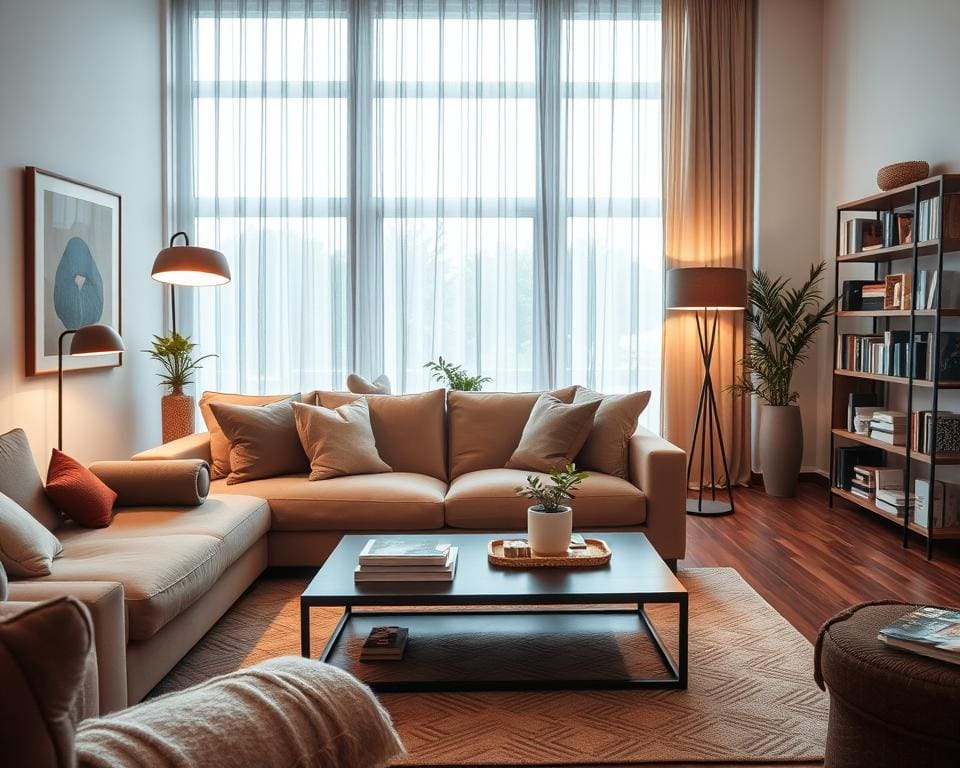

Knowing what makes a living room feel cozy and modern begins with a clear aim: blend warmth and contemporary style so a space feels lived-in and current. This piece will guide UK homeowners through practical, inspiring steps to create a cosy modern living room that works for everyday life.
At the heart of a successful modern cosy lounge are four simple pillars. A balanced colour palette sets the tone. Layered lighting sculpts mood and supports tasks. Comfortable, modern furniture gives form and function. Textures and textiles add tactile warmth. Together these elements create living room warmth and style without fuss.
UK living room design needs particular attention to scale and daylight. Many British homes have compact rooms and fickle natural light across the seasons. Solutions here will favour flexible lighting recipes, space-smart furniture from retailers such as IKEA, Made.com and John Lewis, and easy seasonal swaps to keep rooms cosy through long winters and mild summers.
Read on for actionable guidance — from palette choices and lighting plans to furniture selection and styling tips. The recommendations draw on design principles used by British interior designers and trusted retailers, and on common UK lighting practice to ensure comfort and safety.
Core elements for a cosy and modern living room
Create a calm, inviting space by focusing on a few core elements that work together. Start with a balanced base, add thoughtful lighting, choose comfortable modern pieces and layer textures for depth. These decisions make a room feel lived in, elegant and easy to use.
Balanced colour palette
Warm neutrals form a contemporary canvas. Soft beiges, greiges and mushroom tones keep walls serene while allowing furniture and art to stand out. Use neutral accent colours sparingly on cushions, a single upholstered chair or art to keep the mood calm.
Pair mid-tone walls with a lighter ceiling and darker furniture to create tonal layering that adds depth without harsh contrast. Test paint samples at different times of day and make small mood boards to ensure colours suit existing wood and metal finishes.
Lighting that blends ambience and function
Layered lighting ideas are essential for a flexible living room. Combine overhead ambient light with reading lamps near seating and small accent lights for artwork or shelves. Choose warm bulbs in the 2700K–3000K range to keep the atmosphere cosy.
Use dimmers and common UK fittings such as E27 and GU10 with LED retrofit bulbs for energy efficiency. Add table lamps, floor lamps and candles for soft pools of light, and follow safety guidance by keeping candles well away from fabrics or using LED alternatives.
Comfortable, stylish furniture
Opt for modern cosy furniture that pairs clean silhouettes with soft upholstery. Bouclé, brushed cotton or velvet give a tactile, inviting feel while remaining contemporary. British retailers like Loaf and Made.com stock pieces that balance form and comfort.
Mind scale and circulation when placing a sofa and coffee table. Aim for a seat depth around 55–60cm for relaxed lounging and leave 60–90cm walkways where possible. Include multipurpose items such as storage ottomans and slimline media units to keep the space tidy and practical.
Textures and textiles
Layer rugs, throws and cushions to build tactile warmth. Natural-fibre rugs in wool or jute work well with a soft underlay for comfort on hard floors. Rotate heavier wools and velvet in winter and lighter linens in summer for seasonal variety.
Mix natural fibres like linen, wool and cotton with modern finishes such as brushed brass or matte black to maintain a contemporary edge. Use washable cushion covers and durable fabrics to keep maintenance straightforward while preserving a tactile textiles living room.
What makes a living room feel cozy and modern?
A cosy, modern living room grows from careful choices rather than chance. Start with a clear plan that combines layering colour light texture with purposeful furniture and personal items. Keep paragraphs short and ideas focused so each detail reads as intentional.
Intentional layering of elements
Thoughtful layering builds depth without fuss. Pair a warm neutral wall with a mid‑tone sofa, add a patterned cushion, a wool throw and a warm table lamp to create immediate comfort and visual interest.
Try these small schemes to see the effect in your own home.
- Scheme A (Scandi‑inspired): pale greige walls, light oak furniture, petrol‑blue accent chair, wool rug, linen cushions, brass floor lamp.
- Scheme B (Modern warm): mushroom paint, charcoal sofa, terracotta ceramic accessories, textured throw in mustard, dimmable recessed lighting.
Choose one focal point, such as an artwork, fireplace or statement sofa. Layer around that anchor so attention settles naturally rather than scattering across the room.
Personal touches that feel curated not cluttered
Display meaningful objects sparingly on open shelving or a console. Leave negative space so each item can be seen and appreciated.
Group objects in odd numbers and vary heights to add rhythm. Select frames with clean edges and scale art to the furniture beneath it; aim for artwork width near 60–75% of the piece below.
Rotate a small selection of treasured items seasonally to keep displays fresh without accumulation. This approach helps curated living room accessories look curated rather than cluttered.
Function‑led styling
Design for real life. Position seating to encourage conversation and TV viewing where needed. Add a reading lamp beside a favourite chair and create a compact work nook if required.
Use closed storage such as IKEA Besta with doors, IVAR with fitted doors, or John Lewis storage sofas to hide cables and clutter. Combine those units with a few open shelves for curated living room accessories to maintain calm.
Pay attention to cable management, slimline baskets and multi‑use furniture. These choices support functional living room styling while keeping the room visually light and aligned with minimalist warmth.
Practical tips and styling tricks for UK homes
Start by assessing sightlines and light. For a small living room layout, float a two- to two-and-a-half-seater sofa off the wall where possible and create clear walkways. Use low-profile media units and hang a mirror opposite a window to reflect daylight and widen the feel of the room.
Choose compact, multifunctional pieces that suit everyday life. Nesting tables, an extendable coffee table and a slim console that doubles as a workstation save space and add versatility. Prioritise one quality item, such as a durable sofa or a wool rug, while filling the rest with affordable modern updates UK like new handles or switch plates.
Adapt textiles by season to keep the room feeling right year-round. For a winter cosy living room, add wool rugs, heavy curtains with thermal linings and chunky throws, and draught-proof doors and windows to retain heat. In warmer months swap to linen and cotton, remove layered rugs, open top-hung windows for cross-ventilation and store heavy throws to reduce dust build-up. Use seasonal soft furnishings to shift the mood without costly changes.
Refresh accents and maintain a tidy, curated look. Pick a single seasonal accent colour for cushions or ceramics and keep the base palette consistent so small switches integrate smoothly. Follow routine care: vacuum rugs, follow John Lewis or manufacturer care for upholstery, clean lampshades and consider professional cleaning for delicate wool pieces. Finish with a short checklist—assess light and palette; pick a focal point; add 2–3 new textiles; fit a dimmer and a lamp; add one multifunctional piece and declutter—and focus budget on lighting and textiles for the greatest impact.