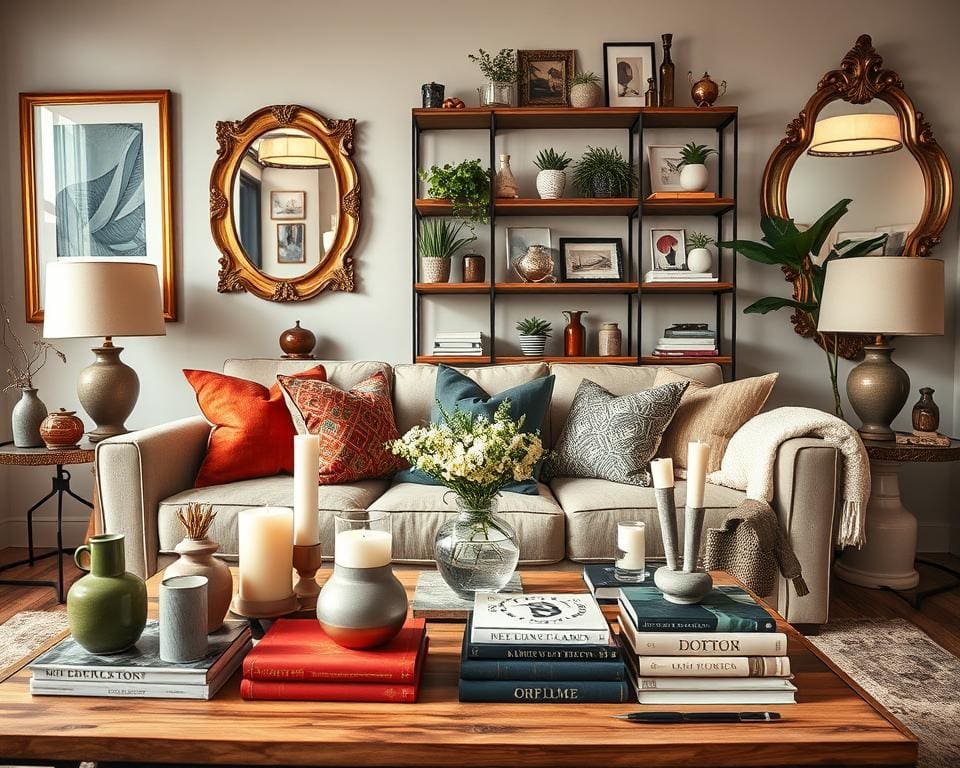

Accessories are the finishing touches that turn good architecture and furniture into a personal, lived-in home. They communicate personality, create atmosphere and solve everyday needs, from softening hard finishes to improving storage. This short introduction explains how do you choose the right home accessories and what to expect from the rest of the guide.
Choosing home accessories well means thinking beyond pretty objects. Consider the size and layout of typical UK rooms, the damp and darker months that benefit from cosy textiles, and local retailers such as John Lewis or Habitat for sourcing pieces. When accessorising your home, aim for items that reflect your taste while remaining practical for daily life.
By the end of this article you will have a clear framework for selecting pieces that reflect your style, work with your space and are easy to live with. The structure is simple: Section 2 helps you define style and practical criteria; Section 3 shows styling strategies to make accessories effective; Section 4 covers buying and curating tips specific to the UK market. Each part builds on the last.
Think of this as an interior accessories guide and a creative process. Small, well-chosen items can lift mood, add perceived value and make rooms feel complete. Treat accessorising your home as a rewarding chance to express yourself, not a chore.
How do you choose the right home accessories?
Choosing accessories begins with a clear idea of the mood you want at home. Think about rooms you admire in Country Living or Ideal Home and note repeating colours, materials and periods. Collect images on Pinterest or Houzz. Audit what you already own to see recurring motifs. These steps help you define personal style home accessories in a practical way for UK living.
Define your personal style and desired atmosphere
Pinpoint anchors such as Scandi minimalism, contemporary, traditional British, eclectic vintage, coastal or industrial. A Scandinavian scheme favours simple ceramics, neutral textiles and houseplants. An eclectic look works with layered vintage finds and bold art. Decide whether you want cosy, airy, formal or playful and select items that shift mood: soft lighting for warmth, mirrors for depth, metallics for glamour.
Bear UK realities in mind. Many homes are compact with variable light and occasional damp. Choose materials and lighting that suit those conditions when you define personal style home accessories.
Assess scale, proportion and balance
Scale refers to the size of an accessory compared with furniture and the room. Proportion describes how items relate to each other. Avoid pieces that look too small on a large sofa or too dominant in a compact room. Groupings of three work well on mantels and side tables.
For coffee tables, include at least one horizontal element such as books or a tray to anchor taller objects. Leave negative space so displays feel calm. Balance heavier textiles or dark frames with lighter accessories and mirrors to spread visual weight across the room. These rules of thumb help with scale and proportion accessories that sit well together.
Consider colour palette and texture coordination
Start with a neutral base and repeat one or two accent colours across cushions, throws, vases and artwork to create cohesion. Test paint chips and fabric swatches at different times of day to see how light alters colour. Use seasonal accent colours for flexibility.
Mix textures to add depth: pair linen and wool with smooth ceramics, glass and metal. In cooler British climates, layered textiles such as wool throws and plush rugs make spaces feel warmer. Thoughtful colour palette home accessories and varied textures give a curated, lived-in look.
Prioritise functionality alongside aesthetics
Accessories must suit daily life. Choose storage baskets and trays to reduce clutter. Opt for durable fabrics if you have children or pets. Machine-washable cushion covers save time. Think of pieces that do double duty: ottomans with storage, sturdy side tables, lamps with adjustable brightness, smart hooks and coat stands near entrances.
Keep safety and regulation in mind for UK homes. Use proper candle holders and never leave flames unattended. Choose compliant lighting and electrical accessories. For rental properties consider fire-retardant or treated textiles. Budget by investing in key items such as a large rug, a statement light or quality cushions, then rotate smaller pieces following accessorising tips UK to refresh looks without overspending.
Styling strategies to make accessories work for your space
Good styling strategies home accessories start with a clear plan. Think about the room’s best views and the pieces that already command attention. A simple, intentional approach makes accessories feel curated rather than cluttered.
Create focal points and vignette arrangements
Choose a focal point such as a fireplace, sofa or console table. Build a vignette arrangements around it with one anchor piece, a tall vertical item, a low horizontal object and a personal or natural element.
For example, style a mantel with a mirror, a pair of candlesticks and a shallow bowl. On a console, place a lamp, a tray for keys and a small sculpture. Make sure vignettes are visible from entry points and avoid blocking sightlines with overly tall items in narrow halls.
Layer accessories with varying heights and materials
Layering accessories brings depth. Mix candles, vases, table lamps and stacked books in stair-step or pyramid compositions to create movement and balance.
Pair ceramics with metal, glass with textured textiles and natural wood to stop displays from feeling flat. Use trays to group small items so they read as one styled collection rather than scattered pieces.
Use repetition and rhythm to unify rooms
Repetition in interior design creates a cohesive flow. Repeat colours, shapes or materials across rooms and surfaces to form visual rhythm.
Echo a brass accent in lighting and cabinet hardware or repeat a cushion colour in artwork to lead the eye through the home. Keep restraint in mind; too much repetition can feel monotonous. Alternate repeated elements with contrasting pieces to maintain interest.
Refresh seasonally without overhauling
A seasonal refresh accessories UK plan keeps your home current without a full redo. Swap cushion covers and throws for lighter linens in spring and breathable cottons in summer, then move to wool and chunky knits for autumn and winter.
Introduce seasonal foliage such as forsythia in spring and eucalyptus in winter. Store off-season accessories in labelled boxes or vacuum bags and photograph favourite arrangements for easy re-creation. Small changes, like a new lampshade or warmer bulbs, can shift the mood on a budget.
Practical tips for buying and curating accessories in the UK
Start with a clear plan: measure furniture, doorway widths and floor space, then note colours and materials you already have. Order fabric swatches and paint testers where possible so colours read correctly in your rooms. For bulky or made-to-order pieces check delivery costs, lead times and return policies before you buy home accessories UK.
Where to buy home accessories UK ranges from high street names to specialist boutiques. For breadth and value consider John Lewis & Partners, Habitat, Dunelm and Made.com. For investment pieces look to Heal’s, The Conran Shop and Neptune. For unique finds, browse Etsy UK, Not On The High Street, Portobello Road or Alfies Antique Market when curating accessories UK.
Work to a budget with thrift and charity shops such as British Heart Foundation and Oxfam, car-boot sales or Facebook Marketplace for bargains. Balance bargains with a few quality anchors to raise the look of a room; this is at the heart of practical budget decorating tips UK. When choosing sustainable accessories UK, favour second‑hand, durable natural materials and British makers with transparent supply chains.
Care and longevity matter: vacuum rugs, spot‑clean upholstery, hand‑wash delicate ceramics and re‑oil wooden items to extend life. Keep a simple inventory of key pieces with photos and measurements to avoid duplicates and to plan future buys. For tricky layouts, listed buildings or larger investments, consider a professional stylist or local trade services for bespoke curtains, blinds and upholstery.