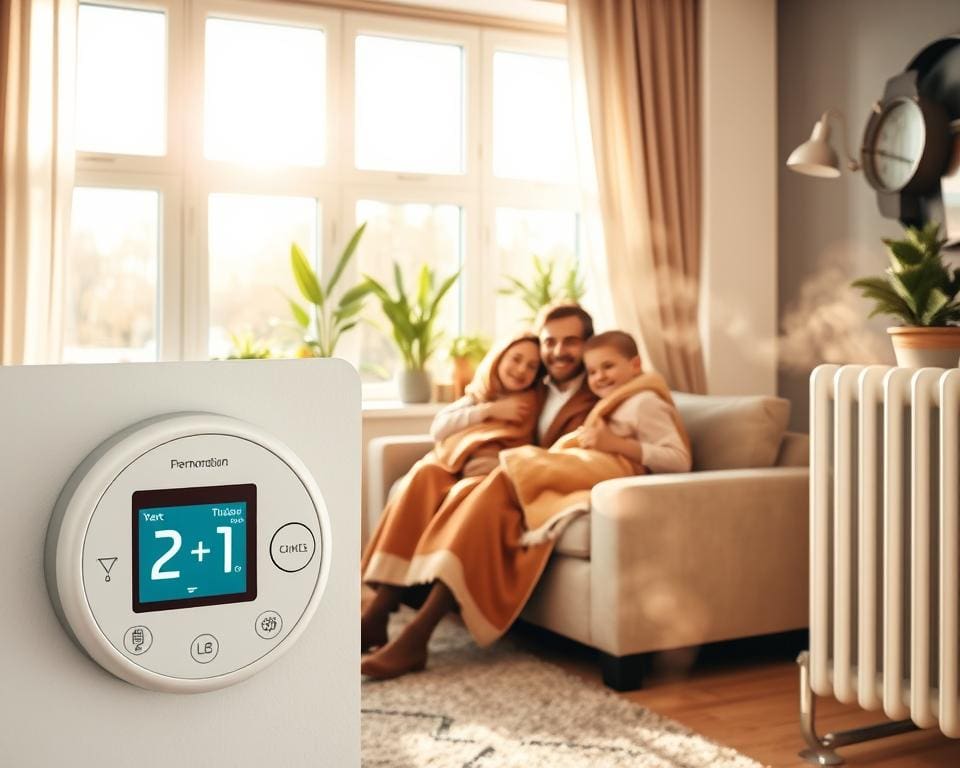

Winter energy bills can feel overwhelming, but small, confident steps can make a real difference. This guide explains how to reduce heating bills and lower heating costs effectively while keeping your home warm and comfortable across the United Kingdom.
Heating accounts for the largest share of household energy use, especially from November to March. Recent price volatility has pushed many households to seek heating cost savings UK-wide. By tackling poor insulation, sealing draughts and upgrading controls, families can cut energy bills winter and reduce home heating expenses without major disruption.
The article is structured to help you act quickly. First, you will learn to assess current usage and read your bills. Next, practical home improvements such as loft insulation, double glazing and smarter thermostats are covered. Finally, everyday habits that preserve warmth and shrink bills complete the plan.
Quick facts to set expectations: loft insulation often pays back fast; draught-proofing can noticeably cut heat loss; and better controls plus double glazing typically deliver moderate-to-high savings. Help is available too — schemes such as the Energy Company Obligation, local authority grants, and switching options from British Gas, SSE, E.ON or Octopus Energy can support upgrades and switching decisions.
For the best results, combine behavioural changes with targeted investments. That mix brings the greatest heating cost savings UK households can achieve, so you can cut energy bills winter and reduce home heating expenses sustainably.
How can you lower heating costs effectively?
Start by learning what your home needs and where waste occurs. A clear plan helps you monitor heating usage and set realistic targets for the coming season. Small checks now can guide larger improvements later.
Understand your current heating usage
Track thermostat schedules and note which rooms are warm and when. Use a smart meter or in‑home display to see real‑time figures. The UK smart meter roll‑out makes this easier for many households.
Consider who is at home and when. A family with someone working from home will need a different routine than a household empty all day. Log daily central heating run times for two weeks and take room temperatures with a simple thermometer.
Read and compare energy bills
Learn to read a bill: check the standing charge, unit rate in pence per kWh, and total usage in kWh. Spot estimated reads and replace them with actual meter readings where possible.
Compare tariffs and suppliers with Ofgem‑accredited tools or trusted comparison sites such as Uswitch and MoneySuperMarket. Look at exit fees and green tariffs. Low‑usage homes can be hit by high standing charges, so a tariff switch may cut costs quickly.
Identify heat loss areas in your home
Common loss points include the loft, cavity or solid walls, windows, doors, floors and uninsulated pipes. Older terraced or semi‑detached houses tend to have different weak spots than newer builds.
Do simple DIY checks: feel for cold spots near skirting boards, use a lit candle or draft strip to find leaks, and measure loft insulation depth; the recommended level is about 270mm of mineral wool or equivalent.
When DIY is not enough, book a professional assessment. An accredited domestic energy assessor can carry out a heating audit and provide an EPC or thermal imaging to map heat loss accurately.
Set realistic saving goals for the season
Make goals measurable and time‑bound. Aim for modest short‑term gains of 5–15% from behavioural changes and larger medium‑term savings of 20–50% after insulation or system upgrades, depending on your property.
Try examples such as lowering the thermostat by 1°C to target around 10% savings, installing 270mm loft insulation within three months, or switching to a cheaper fixed tariff before winter. Track progress with smart meter data or home energy apps and compare corrected monthly bills to see real improvements.
Practical home improvements to reduce heating bills
Small upgrades can make a big difference to comfort and cost. Start with the easiest measures that cut heat loss, then move to larger investments that boost long-term savings. Below are practical options for most UK homes, from quick fixes to deeper retrofit work.
Insulation upgrades: loft, cavity and solid wall options
Loft insulation is one of the fastest ways to reduce heat loss. Common materials include mineral wool, sheep’s wool and recycled products. Aim for around 270mm depth where space allows. Many households see a strong return on investment because lofts are a major heat-loss route. Installers such as British Gas, local accredited firms and TrustMark-registered businesses can advise on the best solution.
Cavity wall insulation suits homes with a cavity, often properties built after 1920. Typical fills are mineral wool or polystyrene beads. Correctly installed cavity wall insulation can cut heating demand and lower bills. Solid wall insulation, fitted internally or externally, costs more but lifts EPC ratings and comfort in older dwellings. A professional survey is essential to check for damp risks and suitability.
Follow PAS 2035 retrofit standards and use accredited specialists, such as those registered with the Microgeneration Certification Scheme, for complex work. A survey helps avoid problems and ensures long-term performance.
Window and door draught-proofing and double glazing choices
Draught proofing offers rapid, low-cost gains. Brush seals, foam strips, letterbox brushes and secondary glazing film are cheap and effective for winter. These measures improve comfort with little upheaval.
For larger gains, compare secondary glazing, double glazing in uPVC or timber frames, and triple glazing for high performance. Consider initial cost against lifetime energy savings. Check U-values as a performance metric, and be aware of planning rules in listed buildings or conservation areas.
Choose reputable glazing suppliers and professional fitters to avoid thermal bridging and condensation. Proper installation keeps frames weather-tight and maintains the building’s fabric.
Smart thermostats and programmable controls
Smart controls let you heat only where and when you need to. smart thermostats UK from brands such as Google Nest, Hive, Resideo (Honeywell) and Tado offer scheduling, remote control and learning modes. Pairing with smart radiator valves allows room-by-room zoning for tailored comfort.
Used well, better controls can reduce consumption by around 10–15%. Look for features such as geofencing, adaptive learning and compatibility with time-of-use tariffs and smart meters. Check compatibility with your heating system, whether a combi boiler or a heat pump.
Efficient heating systems: boilers, heat pumps and maintenance
Replacing an old boiler with an A-rated condensing model raises boiler efficiency and cuts bills. Gas Safe-registered engineers should carry out installation and annual servicing. Typical boiler lifespans are 10–15 years, which helps time replacement decisions.
Heat pumps—air-source or ground-source—offer a low-carbon route when paired with good insulation and low-temperature distribution such as underfloor heating or larger radiators. Upfront costs are higher and performance depends on the fabric of the home.
Basic maintenance pays dividends: bleed radiators, insulate hot water tanks and pipes, and consider a power flush if systems are sluggish. Use registered professionals—Gas Safe for boilers, MCS for heat pumps—to ensure safety and warranty cover.
Cost vs. benefit: when to invest and how to access grants
Prioritise measures with quick payback, such as loft insulation UK and draught proofing, before taking on costlier work like solid wall insulation or a heat pump. Estimate bill reductions, weigh installation cost and include non-financial gains such as comfort and house value.
Several schemes have supported energy upgrades in the UK. Historically available programmes include the Boiler Upgrade Scheme for heat pumps, ECO for insulation and local council grants. Check current government guidance and Ofgem updates when planning applications for assistance.
Obtain multiple quotes from accredited installers, use TrustMark-accredited suppliers and review feedback on Which? or Trustpilot. Proper accreditation helps secure grants and ensures work that delivers the expected savings.
Daily habits and behavioural tips to keep your home cosy for less
Small changes each day can make a big difference to energy saving habits UK. Set the thermostat to the lowest comfortable temperature and follow simple thermostat tips: lower by 1°C to cut around 7–10% from heating bills, program cooler settings for night and when you are out, and use thermostatic radiator valves to balance rooms. Embrace layers, thick socks and cosy throws rather than cranking up the heat to stay comfortable.
Prioritise zoning by heating only the rooms in use and closing doors to unused spaces. Use draught excluders on doors, heavy curtains at night and rugs on cold floors to reduce heat loss. For occasional use, a portable heater can help a single room, but use timers and smart plugs so costs do not creep up. These lower heating costs behaviour choices mean you pay for warmth where you need it.
Ventilate briefly and effectively: open windows for a short period to renew air, rather than leaving them ajar and losing warmth. In the kitchen, cover pans and use residual oven heat to warm the room after cooking. Reduce hot-water thermostat settings within safe limits, take slightly shorter showers and run washing on low temperatures. These practical routines help save on heating bills and support more efficient hot-water use.
Adopt household rules and simple tracking to keep everyone aligned. Agree a thermostat set-point, close doors, and photograph meter readings or use smart meter apps to celebrate progress. Run dishwashers and washing machines on eco cycles during off-peak times if your tariff allows. Small, consistent energy saving habits UK combined with targeted improvements make homes warmer, greener and cheaper to run over time.