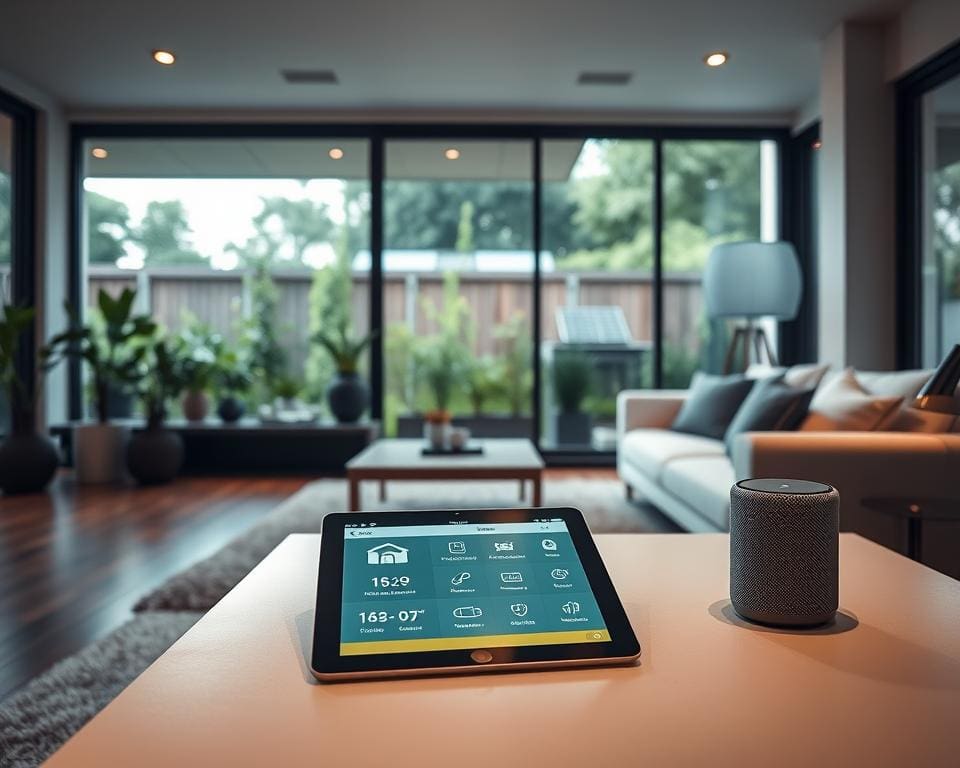

Smart home technology brings together devices and data to make daily life simpler and more efficient. In the UK market, familiar products such as Nest, Hive and tado° thermostats, Philips Hue and LIFX lighting, connected appliances from Bosch, Samsung and LG, and smart meters from suppliers like Octopus Energy and British Gas form the backbone of an energy-efficient smart home.
Home automation efficiency arises from automated control, data-driven decisions and remote access. Systems like Amazon Echo, Google Nest Hub and Apple HomePod act as hubs, linking heating, lighting and appliances so they respond to routines and occupancy. That seamless integration is at the heart of smart home benefits.
Measurable outcomes are compelling: manufacturers and energy providers report typical heating savings of 10–20% in many homes, while automation trims routine chores and reduces maintenance surprises with timely alerts. Exact results vary with house size, insulation and user habits, but the trend toward lower energy use and saved time is clear.
For UK homeowners and renters, rising energy bills, the national smart meter rollout and stronger broadband coverage make adoption timely. Many suppliers and installers support UK mains standards and popular devices, so achieving a genuinely energy-efficient smart home is increasingly accessible.
Adopting smart technology is not mere gadgetry; it is a practical step to reclaim time, cut waste and live more sustainably. Whether through simple plug-and-play kit or professional installation, the smart home offers real, measurable benefits for everyday life.
How does smart home technology improve efficiency?
Smart home systems bring clear gains in comfort and time savings. They link heating, appliances and sensors to act with minimal input from you. This section explores three practical ways a responsive smart home cuts waste and makes daily life easier.
Saving energy through intelligent heating and cooling
Smart thermostats from Nest, Hive and tado° learn household patterns and build schedules that match real life. They use geofencing to lower heat when no one is home and adaptive algorithms that factor in weather forecasts, occupancy sensors and thermal modelling to preheat rooms or avoid overheating.
That approach reduces boiler and heat pump run times and cuts overheating events. Smart TRVs and systems such as Honeywell Evohome allow room-by-room control, which works well with UK central heating, combi boilers and heat pumps. Smart controls also optimise off-peak electricity for low-carbon heating, delivering measurable smart thermostat savings in many homes.
Automating routine tasks to free time
Home automation routines handle daily chores so you do not have to. You can set lighting scenes for morning and evening, programme blinds to open at sunrise and let irrigation systems water gardens only when the forecast calls for dry weather.
Connected appliances extend the convenience. Robot vacuums like iRobot Roomba clean on a schedule. Washing machines can delay cycles to cheaper tariff windows. Ovens preheat remotely when you leave work. These automations cut the mental load and reclaim hours each week for work, family and leisure.
Real-time monitoring and responsive adjustments
Continuous sensors and dashboards provide instant insight into home performance. Smart meters and third-party apps such as Octopus or EnergyHub show current use. Leak detectors like Flo by Moen and Hive’s Leak Detector alert you to faults before they become disasters.
Systems act on those alerts with push notifications and automated responses. They can shut mains to stop leaks, reduce heating when windows open or trigger ventilation when CO or poor air quality is detected. This real-time home monitoring and quick response lower repair costs, prevent waste and support healthier indoor environments.
Energy and cost savings with connected devices
Smart technology turns data into day-to-day savings. Households that combine clear feedback, automated controls and targeted upgrades can cut bills and carbon at the same time. Practical steps start with measurement, move to control, and finish with a payback plan that fits each home.
Smart meters UK give near‑real‑time reads that help people spot waste. SMETS2 devices feed in‑home displays and companion apps with kWh, cost estimates and usage trends. Suppliers such as Octopus and British Gas supply detailed analytics. Third‑party monitors like Sense and Emporia can disaggregate loads to show which appliance draws the most power.
When households see which devices use the most energy, behaviour changes follow. Shifting a washing cycle to off‑peak hours or spotting a phantom load reduces consumption. Users should check app permissions and remember smart meter data is protected under UK regulations to keep privacy strong.
Efficient lighting control cuts lighting bills and extends bulb life. Modern LED systems from Philips Hue and IKEA TRÅDFRI offer dimming, scheduling and presence sensing that trim wasted light. Motion sensors and daylight harvesting switch lights only when needed, lowering both use and replacement costs.
Smart plugs and smart appliances support appliance energy management by measuring draw and enabling remote shutdown. A simple smart plug can stop vampire power from chargers and entertainment kits. Scheduling a washing machine on an economy tariff reduces costs without changing routines.
Direct financial gains come from lower bills and fewer replacements. Indirect gains arrive in higher property appeal and fewer unexpected repairs thanks to proactive alerts. Many homeowners recover smart-thermostat costs within one to three years, with lighting and smart plugs often paying back faster.
Homeowners in the UK can tap into grants and supplier offers to lower upfront spend. ECO schemes, local council help and energy supplier partnerships sometimes reduce installation cost. To estimate ROI smart home upgrades, calculate payback using your energy rates, typical consumption and device prices.
Prioritise high‑impact changes first: heating controls, LED lighting and insulation alongside appliance energy management. That approach improves comfort, reduces bills and makes the path to energy and cost savings smart home owners hope to achieve clear and realistic.
Enhancing home management and convenience
Smart technology turns chores into simple taps or spoken commands. Home management convenience grows when devices work together, tasks need less attention and daily rhythms become smoother. Choose systems that fit family habits so benefits arrive quickly.
Centralised apps and unified control
Platforms such as Apple HomeKit, Google Home and Amazon Alexa offer a single view of multiple devices. Third‑party hubs like Samsung SmartThings bring lights, locks and heating under one roof. centralised smart home apps reduce friction by consolidating control and enabling cross‑device automations. For example, when a security system arms, lights can switch off and the thermostat can set to eco mode.
Interoperability improves with standards like Matter, Zigbee and Z‑Wave. These protocols make it easier to mix brands and future‑proof installations. When choosing an ecosystem, match it to existing devices and the integrations you want.
Good user experience matters. Seek intuitive interfaces, reliable local processing for critical tasks and cloud fallbacks where needed. Plan backup options to keep control when the internet drops.
Voice control and accessibility
Voice assistants such as Amazon Alexa, Google Assistant and Siri provide hands‑free operation. A voice control smart home helps people with mobility limits or visual impairment by speeding common tasks. Say a command to adjust lighting, check the thermostat or start an appliance.
Accessibility smart devices often include personalised voice recognition, routines that bundle actions and compatibility with assistive tech. These features let family members trigger complex sequences with one phrase.
Privacy must be considered. Review voice data settings, manage wake‑word sensitivity and choose devices that let you control stored recordings.
Integration with calendars and routines
Linking calendars and geo‑triggers creates context‑aware behaviour. Morning smart home routines can open blinds, brew coffee and read the day’s agenda. Away routines can arm security and set heating to eco mode. Evening scenes can dim lights and play relaxing music.
Syncing with commute or work schedules lowers energy use and prepares homes for occupants’ return. Services such as IFTTT fill gaps for devices that lack native connections and allow creative automation workarounds.
These integrations save time and reduce mental load. Fewer manual steps mean a steadier, more predictable home life and real gains in convenience.
Security, maintenance and sustainability benefits
Smart home security brings camera systems like Arlo, Ring and Nest Cam, doorbells such as Ring and Google Nest Hello, plus smart locks from August and Yale together with motion sensors and integrated alarms. Live feeds, two-way audio and cloud video recordings deter intruders and speed up responses by alerting owners and emergency services in real time.
Remote access lets householders grant temporary entry to cleaners or tradespeople and check property status while away. Integrating security events with lighting and thermostats can simulate occupancy. To protect privacy, choose reputable vendors, enable two-factor authentication and review cloud storage policies and retention periods carefully.
Maintenance alerts smart home systems pick up faults early. Leak detection sensors can trigger shut-off valves, smart boilers and HVAC units report errors, and appliances send diagnostic codes to apps. Manufacturers such as Bosch and Vaillant offer app-based diagnostics and service links in the UK, helping to avoid costly repairs and schedule fixes sooner.
Humidity and temperature sensors warn of mould risk and protect building fabric, extending home longevity. Sustainability smart devices cut energy use by targeting heating, using LED lighting and running appliances at low-carbon hours. Paired with insulation and draught-proofing, smart controls can markedly reduce CO2 emissions, while choosing products with clear recycling policies and firmware support reduces e-waste.
When chosen thoughtfully and integrated well, smart home security, maintenance alerts smart home systems and sustainability smart devices transform a house into a responsive, efficient home. The result is lower bills, less disruption, reduced environmental impact and greater peace of mind for UK households seeking smarter, greener living.