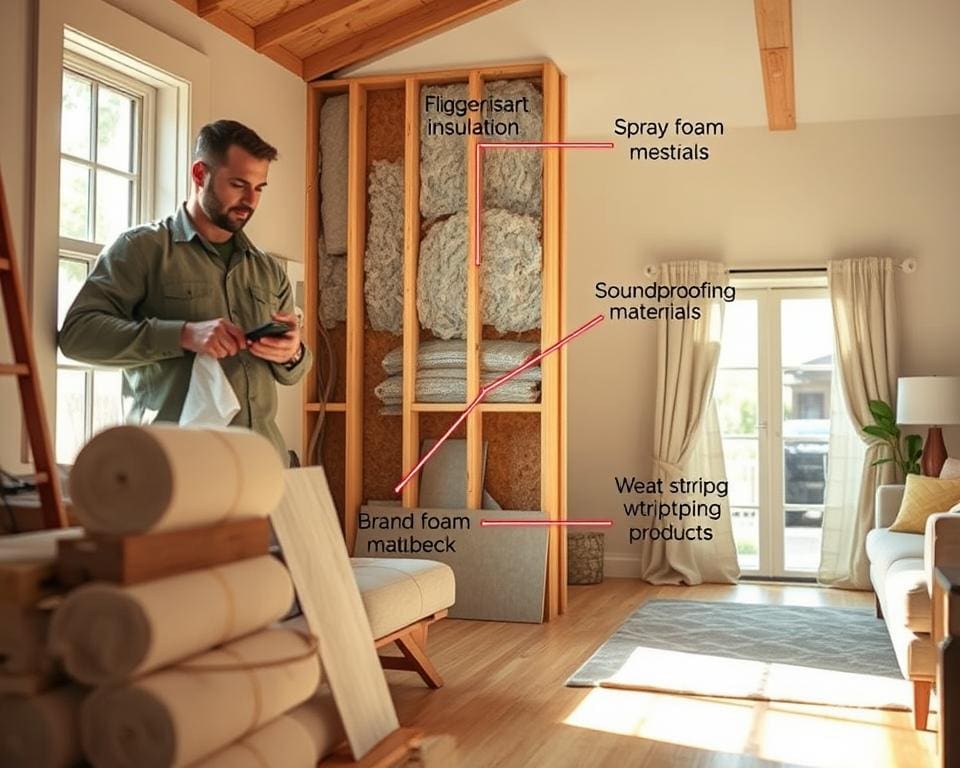

Improving home insulation is one of the most effective energy-saving home improvements you can make. This short introduction explains why it matters, who can benefit in the UK, and the main routes to reduce heat loss.
Most UK houses lose a large share of heat through the roof, walls, windows and floors. Better insulation lowers heating bills, raises comfort and can lift your Energy Performance Certificate (EPC) rating. Simple fixes like draught-proofing and loft insulation often give the quickest payback.
There is also financial help available at times. The UK Government energy efficiency guidance, local council retrofit schemes and the Energy Saving Trust list grants and programmes that may support upgrades. Payback varies by measure and fuel cost, but loft and cavity wall insulation typically deliver strong returns.
This article will guide you through five clear sections: assessing current performance and planning; loft and roof improvements; wall and floor insulation; windows, doors and airtightness; and practical finishing tips on ventilation, controls and minor measures. It focuses on practical, safe retrofit approaches that suit terraces, semis, detached homes and flats.
Start small with DIY checks and simple draught-sealing to see immediate gains. As you plan larger works, these home insulation tips will help you prioritise cost-effective upgrades and improve insulation UK-wide while cutting energy use and saving money.
How do you improve insulation in your home?
Improving insulation begins with a clear picture of how heat moves through your house. A simple home energy assessment helps you spot obvious losses and plan sensible upgrades. Small checks at home make a big difference when combined with targeted retrofit preparation.
Assessing current insulation performance
Start with a DIY draught check on a cold, still day. Close windows and doors then move slowly around skirting boards, window frames, loft hatch and pipe entries. Use a candle or an incense stick to reveal subtle air movements.
Record cold spots on walls and near floors and note the depth and condition of loft insulation. For a clearer picture, hire or borrow an infrared thermal imaging camera. Infrared thermal imaging maps thermal bridges and weak areas most effectively in cold conditions.
For complex issues, damp or listed properties, call an accredited assessor. A professional can carry out a full home energy assessment and advise on measures that will lift your EPC rating. Look for RICS or TrustMark-registered firms when seeking detailed surveys.
Setting priorities based on cost-effectiveness
Focus first on measures that give the fastest savings. Loft top-ups, cavity wall fill where suitable, draught-proofing and better heating controls typically return the most value in UK homes. Poorly insulated homes see quicker payback.
Check eligibility for UK grants for insulation and energy company obligation schemes before committing to large works. Contact local retrofit programmes and national guidance to spot available support.
Rank options by cost per kWh saved, disruption and comfort impact. Start with low-cost, low-disruption works such as draught-proofing and cylinder jackets. Move on to mid-level measures like cavity fill and double glazing upgrades. Reserve higher-cost projects, such as solid wall insulation, for later in the plan.
Planning upgrades and preparing your home
Prepare practical details before installers arrive. Clear loft and floor spaces, label stored items and make loft hatches and meters accessible. Photograph decorative or heritage features to ensure they are protected.
Follow safe working practices. Wear dust masks when handling loose-fill insulation and hire a qualified electrician for any rewiring or recessed light sealing. If the property may contain asbestos, consult a licensed asbestos surveyor before disturbance.
Plan ventilation to avoid condensation after works and coordinate scheduling with contractors. Request written quotes, guarantees and check credentials, including TrustMark and relevant manufacturer warranties. Clear retrofit preparation reduces stress and improves outcomes.
Loft and roof insulation improvements for warmer homes and lower bills
Improving loft and roof insulation transforms cold, draughty spaces into warmer, more efficient homes. Good insulation layering and the right choice of materials cut heat loss and reduce energy bills across the UK. Simple upgrades can make a big difference whether you have a traditional cold loft or are planning a warm roof for a conversion.
Types of loft insulation materials
Mineral wool loft roll is a common choice. Brands such as Knauf supply glass and rock wool in rolls or loose-fill that give solid thermal performance and resist fire. Wear protective kit when handling to avoid irritation.
Sheep’s wool insulation appeals to homeowners seeking a sustainable option. It is breathable, helps regulate moisture and offers good acoustic benefits. Suppliers include specialist eco-insulation merchants and some John Lewis trade lines.
Cellulose fibre loose-fill is recycled and fills irregular voids well. It is treated for fire and pest resistance and is best installed by experienced contractors.
Rigid boards such as PIR and phenolic panels from Kingspan or Celotex suit loft conversions and flat roofs. They give high thermal performance in thinner layers when headroom is limited and are ideal for creating a warm roof.
How to insulate a loft correctly
Aim for the recommended loft insulation depth for UK homes. Backing up existing layers to roughly 270–300mm of mineral wool is typical guidance. Alternative materials should meet equivalent R-values to achieve similar performance.
Lay rolls across joists and avoid compressing insulation. Keep loft ventilation intact by preserving soffit and ridge vents or by installing ventilation channels above insulation. This prevents condensation and protects roof timbers.
Insulate the loft hatch, board a safe walkway and lag cold water tanks and pipes. Identify recessed downlights and either box them out or replace them with IC-rated LED fixtures to allow safe coverage.
Roof insulation for pitched and flat roofs
Choose a cold roof when the loft remains unheated: insulation sits at ceiling level between or over joists, leaving the loft outside the thermal envelope. This is simple and cost-effective for standard lofts.
Pick a warm roof for conversions: insulation sits at rafter level so the roof space becomes part of the heated building. Warm roofs reduce condensation risk and make the space habitable but cost more to install.
For pitched roofs, combine insulation between rafters with a continuous layer beneath them to cut thermal bridging. Use breathable membranes on older buildings; add vapour control layers in modern airtight builds where the manufacturer advises.
Flat roofs perform best with rigid PIR or phenolic boards above or below the deck and a continuous waterproofing membrane. Consider inverted or protected membrane systems when fitting certain finishes or green roofs.
Maintenance and safety
Inspect insulation periodically for damp, pests or settling. Top up where needed and fix any roofing defects promptly. Keep electricals accessible unless fittings are rated for buried use and ensure certified electricians handle complex work.
Improving wall and floor insulation to reduce heat loss
Good wall and floor insulation cuts draughts and lowers bills while raising comfort. Choosing the right approach depends on your home’s age, construction and budget. Read on for practical options that suit terraces, period homes and modern builds.
Cavity wall insulation options
Cavity wall insulation fills the gap between inner and outer masonry to stop convective heat loss. Installers commonly use EPS beads, mineral fibre or injected polyurethane foam. They drill small holes in mortar joints and inject the material, then repoint and clean the area.
Not every property is suitable. Very narrow, bridged or damp-filled cavities, or walls with structural defects, need a full survey by a CIGA or TrustMark-registered installer. Make sure external defects and penetrating damp are fixed before any fill work begins.
Benefits include low cost and quick payback. Risks arise from poor workmanship and moisture transfer. Insist on a written guarantee and an installer with CIGA accreditation.
Solid wall insulation approaches
Solid wall insulation comes in two main routes: external wall insulation and internal wall insulation. External work uses insulating boards or render systems to create a continuous thermal envelope. You reduce thermal bridging and can refresh the façade, though costs are higher and planning consent may be required in conservation areas.
Internal wall insulation suits homes where the exterior must stay unchanged. Insulated plasterboard or stud-and-board systems save time but reduce room size and demand careful detailing around skirtings, window reveals and services.
Choose breathable materials for older masonry, such as wood fibre or mineral wool with vapour-open layers. For newer builds, PIR boards work where space is tight, but vapour control layers must be carefully designed to avoid trapped moisture.
Grants and retrofit schemes sometimes cover external wall insulation. Listed buildings often need a bespoke approach and listed-building consent from local planning authorities.
Floor insulation choices
Floors are a major source of heat loss. For suspended timber floors, insulated rolls or rigid boards fitted between joists make a big difference. You can lift floorboards or fit insulation from below where there is an accessible void. Keep ventilation in place to prevent timber rot.
For solid concrete floors, add rigid insulation boards and a new screed during a renovation, or insulate from below if a cellar is available. Use moisture-resistant products and a proper vapour barrier to avoid damp problems.
When retrofitting outbuildings, extensions or older houses, underfloor insulation retrofit usually uses rigid PIR boards combined with edge insulation and compatible damp-proof membranes. Pair underfloor insulation with underfloor heating where appropriate.
If lifting floors is too disruptive, short-term measures such as thick rugs and improving loft insulation will help while you plan full works. Complex cases that involve structure or moisture should always be handled by building professionals.
Windows, doors and airtightness: finishing touches for a comfortable home
Upgrading glazing and frames is one of the clearest ways to cut heat loss. Double glazing UK remains the standard retrofit choice and delivers substantial improvements over single glazing. Triple glazing benefits include better thermal performance and reduced street noise, though the extra cost and weight mean it suits some homes more than others. Look for low-e glass and argon or krypton fills to lower U‑values, and choose frames with good thermal breaks such as modern uPVC, timber with thermal inserts, or thermally-broken aluminium from reputable UK suppliers.
Where planning or conservation rules limit changes, secondary glazing offers a reversible, cost-effective alternative that markedly improves comfort. Small fixes also matter: draught-proofing around sash windows, skirting boards, loft hatches, door gaps and letterboxes reduces cold draughts instantly. Use brush seals, silicone, foam strips or tailored draught excluders to tackle common gaps without replacing whole units.
Increasing airtightness and ventilation go hand in hand. Sealing leaks reduces uncontrolled heat loss but can trap moisture and pollutants if ventilation is neglected. For substantial airtight retrofits, consider mechanical extract ventilation (MEV) or heat recovery ventilation (MVHR) installed by accredited trades to meet Building Regulations Part F. Ensure kitchens and bathrooms have effective extractors and maintain them regularly to protect indoor air quality.
Finishing touches include modern heating controls and simple behavioural changes. Fit programmable or smart thermostats, zone heating and thermostatic radiator valves to target warmth where you need it. Insulating hot water cylinder and lagging pipes cuts standing losses, while thick thermal curtains, rugs and door snakes boost perceived warmth at low cost. After upgrades, carry out a basic DIY draught check or book an EPC to plan the next stage — small, staged steps often transform comfort and running costs across UK homes.