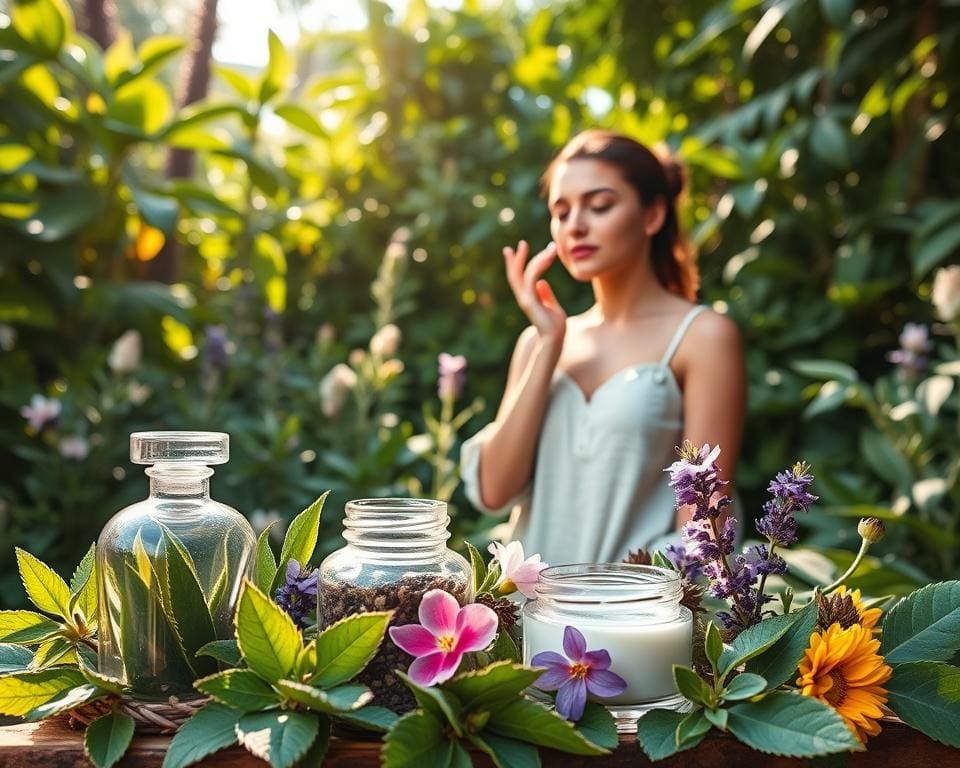

Plant-derived ingredients for skin offer a compelling blend of science and sensorial pleasure for readers across the United Kingdom. Botanical skin benefits sit at the intersection of evidence and experience: many plant compounds deliver measurable effects while feeling gentle on the skin. This section sets out why plant-based skincare benefits deserve a place on your shelf and in your routine.
At a biological level, antioxidants from plants neutralise free radicals and reduce oxidative stress, while polyphenols and flavonoids help to modulate inflammatory pathways. Plant lipids and essential oils restore barrier lipids and support reduced transepidermal water loss, and humectant plant sugars—such as plant-source glycerol and sugar-derived compounds—attract and retain moisture.
Credible research from peer-reviewed dermatology journals and assessments by bodies like the Cosmetic Ingredient Review, alongside university studies in the UK, support many of these claims. Meta-analyses highlight the efficacy of botanical vitamin C (including stable derivatives), green tea (Camellia sinensis) polyphenols, and plant-fermented hyaluronic acid; practical summaries and further reading can be found in resources such as plant antioxidant guides.
In everyday terms, users can expect a brighter complexion, reduced redness, improved hydration and a plumper texture when plant-derived ingredients for skin are used consistently. Botanicals that balance oil and the skin microbiome can also lower the incidence of breakouts, while certain anti-ageing botanicals support collagen maintenance and elasticity.
Safety and variability matter: botanical actives differ in potency and some extracts can cause sensitivities or photo-reactivity, for example citrus-derived bergapten. Patch testing and choosing products with standardised extracts and clear concentration labelling helps manage risk and maximise the benefits of botanicals for skin health.
This introduction will lead into a closer look at antioxidant protection, anti-inflammatory botanicals and hydrating plant compounds in the next section, then explore targeted plant actives for brightening, anti-ageing and acne, before finishing with sustainability, formulation and practical usage guidance for natural skincare UK consumers.
How do plant-based ingredients benefit skin health?
Plant-derived actives bring measurable support to skin. They protect, calm and hydrate by working with the skin’s biology rather than against it. Below we explore three core functions—antioxidant defence, anti-inflammatory action and moisture support—so you can choose ingredients with confidence.
Antioxidant protection from botanical extracts
Botanical antioxidants neutralise reactive oxygen species created by UV exposure, pollution and normal metabolism. This prevents lipid peroxidation, DNA damage and the breakdown of collagen and elastin that leads to fine lines and uneven tone.
Key examples include catechins and EGCG from green tea, resveratrol from grape and Japanese knotweed, vitamin C from camu camu and rosehip, tocopherols from sunflower oil and ferulic acid from rice bran. Research shows topical EGCG reduces UV-induced damage and combined vitamin C + E + ferulic acid formulations boost photoprotection. For a clear primer on antioxidant benefits see the power of antioxidants.
Practical notes: use standardised extracts and respect pH and stabilisation needs for vitamin C. Apply antioxidant serums morning and evening, and pair them with SPF during the day for optimal defence. These botanical antioxidants form a preventive layer that supports long-term skin health.
Anti-inflammatory botanicals that calm and soothe
Plant anti-inflammatories for skin work by reducing pro-inflammatory cytokines, calming redness and aiding barrier repair. They suit sensitive, rosacea-prone and post-procedure skin where inflammation impedes recovery.
Effective botanicals include aloe vera polysaccharides, chamomile with bisabolol, Centella asiatica with asiaticoside and madecassoside, calendula and licorice root with glabridin. Clinical trials show centella extracts improve barrier function and aloe vera soothes sunburned skin.
Choose low‑irritant, fragrance-free products when using these extracts. They can be combined with actives such as retinoids or acids if introduced gradually to reduce irritation and support healing.
Hydration and humectant plant compounds
Botanical humectants attract and hold water in the stratum corneum while plant oils and lipid precursors restore the barrier and limit transepidermal water loss. This combination creates lasting, flexible hydration.
Popular choices are plant-based hyaluronic acid (fermentation-derived), vegetable glycerin, sorbitol, xylitol, squalane from olives or sugarcane and oils rich in linoleic acid like evening primrose, borage, rosehip and jojoba. Studies show hyaluronic acid improves skin moisture and reduces the appearance of fine lines. Squalane offers stable, non-comedogenic emollience compared with squalene.
Layer humectant first, then an occlusive or emollient to seal moisture. Match oils to skin type: higher-linoleic oils suit oily or acne-prone skin, richer oleic oils benefit very dry skin. These elements deliver plant-based hydration that feels natural and resilient.
Nutrient-rich plant ingredients that target specific skin concerns
Plants offer targeted solutions when skin problems call for precision. This section maps botanical actives to three common concerns: uneven tone, signs of ageing and acne. Use these practical options alongside daily sunscreen and sensible lifestyle habits to get measurable results.
Brightening and pigmentation correction with botanical actives
Botanical brightening ingredients work by slowing melanin production, speeding cell turnover and calming the inflammation that deepens post-inflammatory marks. Licorice root extract (glabridin) and bearberry (arbutin) are tyrosinase inhibitors used in many over‑the‑counter serums.
Rosehip and Kakadu plum supply vitamin C and antioxidants that reduce oxidative stress and support gentle exfoliation when combined with AHAs or BHAs. Clinical studies on standardised arbutin and glabridin show measurable pigment reduction over weeks, though results are more gradual than prescription hydroquinone.
For best effect, pair plant actives for hyperpigmentation with broad‑spectrum SPF and cautious exfoliation. People with darker skin should patch‑test and monitor for irritation before long‑term use.
Anti-ageing botanicals to support collagen and elasticity
Plant-based anti-ageing actives aim to stimulate collagen, block collagenase enzymes and protect tissue from glycation and free radicals. Centella asiatica (madecassoside) and fermented plant peptides encourage fibroblast activity and improve skin resilience.
Bakuchiol offers a gentler alternative to retinol, delivering similar reductions in fine lines with fewer irritant effects in clinical trials. Pomegranate, grape seed and turmeric supply polyphenols that reinforce botanical collagen support by neutralising oxidative damage.
Introduce potent plant actives gradually and reserve some for night use. Combine topical treatments with SPF, sleep, diet and reduced alcohol intake for meaningful long‑term benefits.
Acne-management with botanicals that balance oil and bacteria
Natural acne treatments focus on lowering Cutibacterium acnes, moderating sebum and reducing inflammation without stripping the skin. Tea tree oil at low concentrations has proven antimicrobial action and can reduce lesion counts with fewer side effects than some chemicals.
Willow bark provides salicin, a plant source of BHA‑style exfoliation for blocked pores. Green tea extract and niacinamide calm inflammation and regulate oil production. Use non‑comedogenic moisturisers such as squalane or grapeseed oil to maintain barrier function.
Avoid rich, high‑oleic oils if acne is active. Introduce antimicrobial botanicals at recommended concentrations and seek dermatologist advice for moderate or severe cases or when combining with prescription treatments.
Read more about seasonally adapted formulations and moisture strategies at top skincare routines, which highlights how lightweight humectants like glycerin and aloe vera suit summer, while natural oils help in winter.
Sustainability, formulation and usage guidance for plant-based skincare
Choosing sustainable botanical skincare starts with traceable sourcing and credible certifications. Look for Soil Association, COSMOS, Fairtrade or B Corp marks and ask brands about harvest practices to avoid overharvesting of wild species. Prefer companies that use sustainable palm alternatives and support biodiversity; these choices reduce pressure on ecosystems while keeping ingredient supply stable.
Packaging and carbon footprint matter as much as ingredients. Seek products in recycled or recyclable containers, refill schemes offered by Boots and several indie UK brands, and minimal plastic. Carbon-offset commitments are useful, but also check for practical measures such as local manufacturing and lighter transport to cut real emissions in eco-friendly skincare UK offerings.
Formulation decisions affect both efficacy and plant-based skincare safety. Standardised extracts, stabilised vitamin C derivatives and robust preservative systems ensure consistent results and prevent microbial growth in water-based formulas. “Preservative-free” products can be risky unless they are single-use or airless. Note that active concentration and delivery vehicle — serum, oil or cream — determine performance, and some botanicals need specific pH or encapsulation to remain stable and penetrate the skin.
For everyday use, build a simple routine: morning cleanse, antioxidant serum, moisturiser with plant-derived humectants and broad-spectrum SPF; evening cleanse, targeted botanical treatment such as bakuchiol or peptides if avoiding retinoids, then moisturise or oil as needed. Patch test new products on the inner forearm for 24–48 hours and avoid strong citrus extracts or certain essential oils if you are sensitive. Store light- and oxygen-sensitive items in opaque or airless packaging and discard them after the recommended PAO. When in doubt about interactions with retinoids, acids or prescription medication, consult a dermatologist to confirm safe combinations and ensure clean beauty formulation aligns with your skin goals.