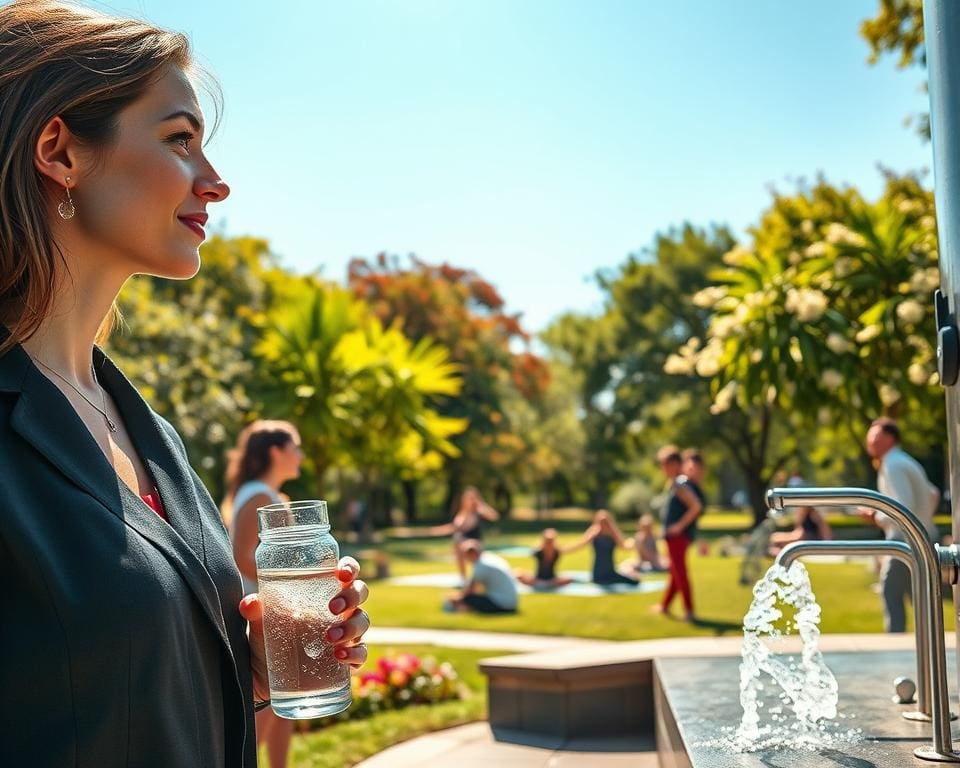

Hydration means keeping the right balance of fluids and electrolytes so the body can carry out essential work. Around 60% of an adult’s body is water, and that fluid is central to nutrient transport, temperature regulation, joint lubrication, digestion and waste removal. Understanding how does hydration improve overall wellbeing starts with this simple biological fact.
Adequate fluid intake supports cells by maintaining their volume and enabling solute transport, which keeps metabolism and repair on track. Proper hydration also preserves blood volume and circulation, aiding oxygen delivery and efficient kidney filtration to clear metabolic waste. Trusted public-health bodies such as the NHS and the Scientific Advisory Committee on Nutrition underline why water is important for these core functions.
The benefits of hydration move beyond biology to daily energy and resilience. Small, steady increases in water intake can reduce fatigue, sharpen concentration and brighten mood. For many people in the UK, variable weather, indoor heating in winter and busy urban routines mean hydration and health can be unintentionally neglected.
Making hydration part of a routine is an empowering wellbeing habit on par with sleep and exercise. Practical steps — like keeping a visible water bottle, using home filters and trying simple infusions — turn hydration into a sustainable ritual. For more ideas on turning water into a daily practice, see this practical guide on simple hydration rituals.
This article will examine physical and mental benefits, daily needs and tips for UK life, how to spot and treat dehydration, and the best drinks and foods to support wellbeing and water intake.
How does hydration improve overall wellbeing?
Water shapes how the body works at every level. A steady intake keeps cells balanced, fuels organs and supports energy. Public Health England and the NHS stress that simple habits can make a large difference to daily function and long-term resilience.
Physical benefits: cells, organs and energy levels
Fluid balance maintains intracellular and extracellular volumes so nutrients reach cells and waste leaves them. This process underpins water and organ health, from the heart to the liver.
Blood volume and circulation stay steadier with good hydration, which helps the cardiovascular system work without extra strain. Kidneys benefit through stronger glomerular filtration and fewer concentrated urine episodes, cutting the risk of kidney stones and aiding hydration disease prevention.
Muscles and joints rely on fluid for lubrication and contraction. Even a 1–2% loss of body weight from fluid can reduce endurance, raise perceived exertion and increase cramp risk during exercise. Post-exercise rehydration speeds recovery and eases fatigue.
Digestion improves when enough fluid keeps bowel movements regular and reduces constipation. Thermoregulation depends on sweat and evaporation, so hydration helps the body shed heat efficiently during activity and hotter days.
Mental clarity and mood regulation
Hydration affects cognitive performance in tasks like short-term memory, attention and reaction time. Studies summarised by the British Nutrition Foundation link mild dehydration with slower thinking and reduced concentration, highlighting hydration mental clarity as a simple lever for sharper focus.
Physiological mechanisms include reduced cerebral blood flow and subtle shifts in neurotransmitter activity when the body is low on fluid. These changes can increase tiredness and make complex tasks harder.
Mood links are clear in several trials: low fluid levels can bring irritability, anxiety and low spirits. Paying attention to hydration and mood gives a quick, non-invasive way to support emotional steadiness.
Long-term health outcomes and disease prevention
Regularly meeting fluid needs ties into lower rates of urinary tract infections and fewer kidney stones, part of a broader picture of hydration disease prevention. Chronic underhydration may strain kidney function over time and has been associated with a higher long-term risk of renal problems.
Hydration supports weight management by promoting satiety and offering a low-calorie alternative to sugary drinks. Good fluid habits also complement heart health through blood-pressure regulation and help maintain metabolic balance.
A hydrated lifestyle works best alongside a balanced diet, regular exercise and not smoking. Water is not a cure-all, but it enhances other healthy choices and strengthens overall wellbeing.
Daily hydration needs and practical tips for the UK lifestyle
Understanding daily hydration needs UK starts with simple guidance from the NHS and European bodies. For many adults this means about 1.6–2.0 litres a day for women and 2.0–2.5 litres for men from beverages. Total fluid includes water-rich foods such as fruit, vegetables and soups, which can supply roughly 20–30% of intake. A practical rule-of-thumb is 6–8 medium glasses each day, while recognising personal factors will change needs.
How to estimate your fluid requirements
Body size, age and life stage shape how much water to drink. Pregnancy and breastfeeding raise needs. Fever, vomiting or diarrhoea require extra intake. Certain medications, for example diuretics, and conditions like heart or kidney disease need tailored advice from a GP or specialist. Use weight, activity and symptoms as guides and check with health professionals when in doubt.
Hydration strategies for different activities and seasons
Pre-hydrate before exercise and sip regularly throughout activity. For sessions longer than 60–90 minutes, consider drinks with electrolytes to replace salts lost in sweat. After prolonged or intense exertion, prioritise slow rehydration and include sodium-containing foods or beverages when needed.
Seasonal hydration tips matter across the UK. In summer and during heatwaves increase intake and seek shade. In winter remember indoor heating dries the air and raises insensible losses, so maintain regular sipping even when you do not feel hot.
Practical tips for busy lives: carrying water, reminders and tastes you enjoy
Carry a reusable bottle to make drinking easier. Popular brands in the UK include Nalgene, Klean Kanteen and Chilly’s, which fit most cup holders and desks. Refill at filtered taps or refill stations to cut costs and single-use plastic.
Set phone reminders, use hydration apps or link drinking to routine cues such as waking up, commuting, bathroom breaks and mealtimes. Place a bottle near your workstation and top it up at intervals.
If plain water feels dull, add slices of citrus, cucumber or mint, or swap to sparkling water for variety. These small changes support habit building and long-term adherence to hydration guidelines UK while keeping consumption enjoyable.
- Tip 1: Drink a glass on waking to start the day hydrated.
- Tip 2: Sip steadily during meetings and screen time; don’t wait until you feel thirsty.
- Tip 3: Plan ahead for travel or long commutes and carry a filled bottle.
Signs of dehydration and how to respond promptly
Recognising early signs of dehydration helps you act quickly and protect your wellbeing. Look for dry mouth, darker urine, feeling tired, light-headedness and headaches. Children and older adults may show different dehydration symptoms: babies might have fewer wet nappies or a sunken fontanelle while older people can lose their thirst sense and seem more confused.
Early warning signs to watch for
Start with simple checks. If your urine is amber, you feel dizzy or your skin seems very dry, those are common signs of dehydration. Reduced tear production and feeling unusually sleepy also count. Keep a reusable bottle and set reminders to drink; small actions stop mild dehydration from getting worse.
When mild dehydration becomes serious
Worsening dehydration shows as very dark urine, a rapid heartbeat or fast breathing. Confusion, fainting, very low blood pressure and markedly reduced urine over many hours are red flags. In infants, persistent crying with no tears or extreme lethargy needs urgent attention. Call NHS 111 or 999 if someone becomes confused, faint or is hard to wake.
Immediate measures to rehydrate safely
Begin graduated rehydration: offer small, regular sips of water rather than large gulps. For vomiting or diarrhoea, use an oral rehydration solution such as Dioralyte to replace salts and fluids safely. If nausea is strong, start with tiny sips and increase as tolerated.
For mild dehydration, plain water plus salty snacks or a balanced meal helps restore electrolytes. Avoid using alcohol or sugary soft drinks as primary ways to rehydrate. People with heart or kidney disease should consult their GP before upping fluid intake to prevent fluid overload. Learn practical rehydration tips and daily habits at hydration hacks to stay energised and reduce the risk of repeat dehydration.
- Small sips often work better than large amounts at once.
- Use ORS for moderate dehydration from gastroenteritis.
- Watch infants and older adults closely for changing symptoms.
If you are unsure when to see GP for dehydration, seek advice when basic measures do not help within a few hours, symptoms worsen, or there are signs of severe dehydration. Prompt action to treat dehydration keeps you safer and more resilient.
Hydration beyond plain water: best drinks and foods to support wellbeing
Plain water is usually the best zero‑calorie choice, yet a range of water alternatives also add to daily fluid intake. Low‑sugar options such as tap water, sparkling water, herbal teas and dilute fruit juices (one part juice to three parts water) all count. Milk supplies fluids plus electrolytes, and oral rehydration solutions help during illness or heavy sweating. For prolonged, intense exercise, isotonic sports drinks like Lucozade Sport, High5 and SIS can replace electrolytes and carbohydrate, but check sugar content before use.
Many hydrating foods help maintain fluid balance while supplying nutrients. Cucumber, lettuce, celery, tomatoes, watermelon, strawberries, oranges and grapes are excellent choices, alongside soups, smoothies and broths. These fruits and vegetables for hydration bring vitamins, fibre and minerals, so they support energy and recovery as well as hydration.
Consider special groups and practical tweaks. Infants’ needs are met with breastmilk or formula; older adults may need frequent small drinks; pregnancy and breastfeeding raise requirements. People with heart or renal conditions should follow personalised clinical advice and fluid restrictions. If plain water feels boring, try natural flavouring, cold or sparkling water to increase intake without excess calories.
Small changes make hydration a mindful habit that boosts vitality and focus. Carry a reusable bottle, sip during breaks and include hydrating foods. For a short guide and extra tips, visit this hydration resource hydration hacks and ideas to explore the best drinks for hydration and hydrating foods UK in more detail.