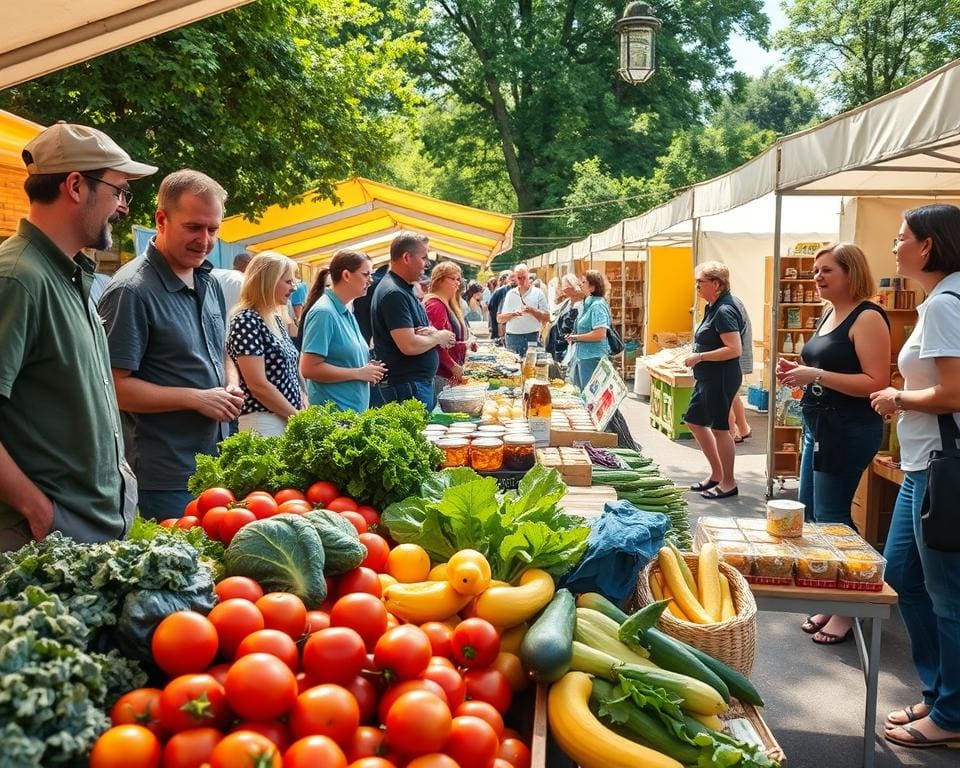

Farmers markets have become central to conscious living because they let people make ethical food choices with confidence. In the UK, community markets and farmers markets UK revive a long tradition of local trade while answering modern concerns about sustainable food, animal welfare and transparency in supply chains.
Interest in local produce grew sharply in the late 20th and early 21st centuries as shoppers sought fresher food and lower food miles. National networks such as the National Farmers’ Retail & Markets Association (FARMA) and organisations like Sustain and the Soil Association have helped communities and producers connect, strengthening small-scale farming and providing direct access to consumers.
Conscious living shoppers often look for practical outcomes: seasonal eating, reduced transport emissions and support for producers who use environmentally friendly practices. Markets also offer sensory rewards — colour, aroma and conversation — that make sustainable food feel both attainable and inspiring.
This article will unpack why farmers markets are popular in conscious living by exploring direct relationships with producers, health and nutritional benefits, and ethical and environmental motivations. It will then cover practical advantages such as supporting local economies, seasonality and community wellbeing, and finish with tips on making the most of UK farmers markets. For ideas on seasonal ingredients and preserving fresh produce, see seasonal eating for maximum nutrition via this seasonal guide.
Why are farmers markets popular in conscious living?
Farmers markets draw people who want clearer supply chains and closer ties to the land. Shoppers meet fruit and vegetable growers, market gardeners, rare-breed livestock producers and artisan cheesemakers such as Neal’s Yard Dairy. That direct connection producers creates trust and gives buyers immediate answers about provenance, pesticides and animal welfare.
Talking with stallholders makes it simple to check farming methods. You can ask whether a grower uses organic, regenerative or agroecological techniques and get practical tips on storage and cooking straight from the farmer. This farmers market transparency often means more of the sale reaches the producer, which supports livelihoods and strengthens local food economies.
Direct connection to producers
Face-to-face trade shortens the supply chain. Smallholders and bakers sell fresh goods without the layers of middlemen found in supermarkets. Buyers gain a clear view of production practices and can choose sellers who match their values on ethical food sourcing and animal husbandry.
Local markets also let consumers test new varieties, learn about rare breeds and discover seasonal ingredients. That direct contact encourages repeat business and builds long-term relationships between communities and makers.
Health and nutritional benefits
Produce offered at markets is often harvested close to the time of sale. Shorter time from field to plate helps preserve vitamins and antioxidants, which can degrade during long transport and storage.
Seasonal eating promoted at markets supports diverse diets rich in vegetables, fruit and whole foods. Public-health advocates note that easier access to fresh produce can reduce reliance on ultra-processed supermarket options and aid efforts to tackle obesity and diet-related disease.
For shoppers seeking guidance on pesticide-free choices, materials and advice at stalls and resources such as pesticide-free produce guides help make informed decisions about what to buy.
Ethical and environmental motivations
Conscious shoppers pick markets to lower food miles and cut packaging waste. Many stalls favour refillable or minimal-packaging options and champion practices that protect biodiversity, such as crop rotation, agroforestry and organic methods.
Meat and dairy sold directly by small farms allow customers to ask about breed, feed and husbandry. This clarity on ethical food sourcing contrasts with anonymised industrial supply chains and offers reassurance about animal welfare.
Beyond individual choices, supporting markets strengthens resilient local food systems. Reduced transport lowers carbon emissions and sustainable land management helps retain soils and encourage pollinators. Community groups and charities, for example Sustain, have promoted markets within local food strategies to improve the environmental impact local food has on landscapes and livelihoods.
Practical advantages for conscious shoppers and communities
Farmers markets offer more than fresh food. They act as economic engines and social spaces that connect shoppers with growers. Choosing local stalls helps sustain supply chains that favour small producers and keeps market days vibrant for everyone.
Supporting local economies and small-scale farmers
Money spent at a farmers market tends to circulate locally. That spending supports farm incomes, market staff, nearby cafés and independent suppliers. The principle is simple: local spending sustains local employment and creates economic multipliers across towns and city neighbourhoods.
Markets reduce barriers to entry for new producers. Lower distribution costs, direct marketing and instant customer feedback let growers diversify into value-added products such as preserves, artisan bread and small-batch charcuterie. This model helps small-scale farmers UK build resilient businesses without the heavy costs of large-scale distribution.
Examples such as Borough Market in London and Edinburgh Farmers’ Market show how local artisan food can attract visitors while backing regional producers. These markets draw tourism and trade that benefits the wider local economy.
Seasonality and culinary inspiration
Market stalls display the rhythm of the seasons: spring brassicas and asparagus, summer berries and tomatoes, autumn squashes and root veg, winter kale and hearty squashes. This variety encourages cooks to plan menus around what’s ripe and fresh.
Stallholders often share recipe ideas, storage tips and serving suggestions. Shoppers leave with inspiration and practical advice that turns seasonal produce into everyday meals. For extra reading on nutritional benefits, see this guide on seasonal eating: seasonal eating for maximum nutrition.
Taste and quality improve when food travels less. Many shoppers prefer the flavour of market produce to items that have spent weeks on supermarket shelves.
Community-building and social wellbeing
Markets act as social hubs where neighbours meet, share recipes and build local networks. These gatherings boost social capital and invite civic engagement through events, demonstrations and community stalls.
The sensory nature of markets—sight, smell and conversation—supports mental wellbeing. Regular visits reduce isolation and strengthen a sense of place. Community initiatives often linked to markets include food-share projects, gleaning groups and CSA links that use market platforms for outreach.
Social benefits farmers markets extend beyond commerce. They foster ties that improve community wellbeing markets and create resilient local food systems rooted in shared care for land and people.
How to make the most of farmers markets in the UK
Arrive with a plan but stay flexible. Early morning is best for the freshest produce; mid‑morning brings lively stalls and conversation, while late in the day often yields bargains as vendors clear stock. Use a seasonal shopping guide to know when British strawberries or Scottish raspberries peak and let what looks best on the day shape your meals.
Bring reusable bags, a cooler or insulated bag for chilled items, and a small scale if you buy in bulk. Many stalls now accept contactless payments via SumUp or iZettle, though having some cash can still speed transactions. These practical shopping tips for farmers markets help you carry purchases safely and follow common market etiquette UK with ease.
Ask about provenance, harvest dates and storage advice; talking with producers is part of the appeal. Build relationships with favourite stalls to get advance notice of special meat cuts, game seasons or preserves. Look for recognised standards such as Organic, Red Tractor or LEAF Marque, but also assess practices by conversation when small producers use artisanal or regenerative methods.
Check market schedules and follow local social accounts for stall lists and seasonal updates, and combine visits with nearby cafés and bakeries to support the community. Join tastings, workshops or local food co‑ops to deepen knowledge. For more on aligning tech and seasonality, see this smart seasonal recommendation resource: seasonal grocery recommendations. Use these steps to discover the best UK farmers markets and make each visit purposeful and joyful.