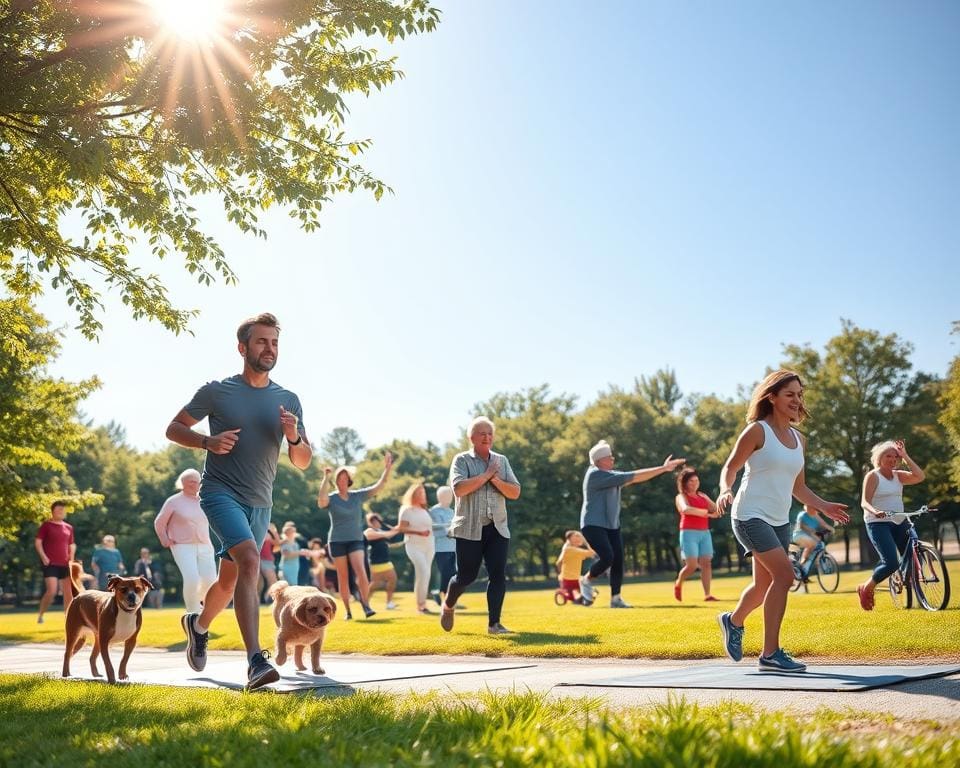

Regular physical activity is a foundational pillar of long-term health. The importance of physical activity goes beyond short-term fitness; it shapes how we age, how long we live and how well we move through life.
UK guidance from the Chief Medical Officers and the World Health Organization recommends adults aim for 150 minutes of moderate activity or 75 minutes of vigorous activity each week, with muscle-strengthening twice weekly. Public Health England links inactivity to higher risks of cardiovascular disease, type 2 diabetes and some cancers, so the long-term health benefits of exercise are clear and evidence based.
There is a key difference between lifespan and healthspan. Cohort studies show that people who stay active tend to live longer and spend fewer years with disability. In short, staying active for longevity means not just more years, but better years.
For readers across the UK, the message is practical and empowering. Everyday choices—walking, cycling, gardening or active commuting—boost energy, independence and mood, and help build social connections. An active lifestyle UK offers real, attainable rewards.
This article will explore physiological benefits, mental and social effects, UK-specific evidence and practical ways to keep activity sustainable across life stages.
Why is staying active essential for long-term health?
Regular activity lays a foundation for lifelong health. Small habits build resilience, improve daily function and reduce the chance of chronic illness. The cardiovascular benefits of exercise extend beyond short-term fitness and shape long-term risk for heart disease and stroke.
Impact on cardiovascular health
Aerobic exercise strengthens the heart muscle, boosts cardiac output and lowers resting heart rate. Over time that reduces blood pressure and eases strain on arteries.
Exercise improves lipid profiles by raising HDL and lowering LDL and triglycerides, while enhancing endothelial function. Large prospective cohorts show a clear fall in coronary heart disease and stroke among active adults, a pattern echoed in British Heart Foundation findings linking sedentary behaviour with greater cardiovascular risk.
Role in weight management and metabolic health
Physical activity raises daily energy expenditure and helps preserve lean muscle mass during weight loss. That supports sustainable exercise and weight outcomes.
Improved insulin sensitivity from regular movement helps with glycaemic control and lowers the risk of type 2 diabetes. NHS guidance and Diabetes UK evidence both stress that modest, frequent activity reduces risk and improves markers of metabolic health.
Combining aerobic work with resistance training gives the best results for body composition and long-term metabolic function.
Benefits for mental wellbeing and cognitive function
Movement triggers endorphins and raises levels of serotonin and noradrenaline, which lifts mood and eases anxiety. Many people report clearer thinking and better everyday coping after regular exercise.
Exercise-induced neuroplasticity, supported by higher levels of brain-derived neurotrophic factor, aids learning and memory. Research shows active adults have a lower risk of cognitive decline and dementia, while community schemes such as parkrun demonstrate measurable gains in wellbeing.
Evidence from long-term studies and UK-specific research
Large datasets, including UK Biobank, reveal dose–response links between activity and lower mortality. Meta-analyses find even small increases in movement lead to meaningful drops in major disease risk.
Public-health reports from NHS and UK Health Security Agency set out population-level benefits and highlight inequalities across regions and socioeconomic groups. These UK physical activity studies guide policy and community action to close gaps in health outcomes.
Practical steps make activity habitual: set realistic short and long-term goals, track progress with apps or a journal and use a workout buddy for accountability. For motivation ideas and simple ways to embed movement in daily life, see this practical guide on finding motivation to stay active here.
Physical benefits of regular activity for body systems
Regular activity underpins stronger, more capable bodies at every age. Small, consistent sessions of strength work, balance drills and gentle mobility practice protect daily function and support independent living. Practical guidance from the NHS and the Chartered Society of Physiotherapy recommends twice-weekly muscle-strengthening activities and balance exercises for older adults to reduce frailty and falls.
Musculoskeletal strength, flexibility and mobility
Strength training preserves and builds skeletal muscle mass, improving balance and reducing the risk of falls. As muscle power rises, everyday tasks such as climbing stairs and carrying shopping grow easier. This is a core part of the musculoskeletal benefits of exercise.
Stretching, yoga and functional movement improve joint range and reduce stiffness. Better flexibility and mobility translate into smoother movement and fewer aches during routine activities. Short home sessions, including HIIT or yoga, can fit into busy days and sustain gains.
Bone health and prevention of osteoporosis
Weight-bearing and impact activities such as brisk walking, dancing, jogging and resistance training stimulate bone remodelling and increase bone mineral density. Starting activity early helps build peak bone mass, while continuing later in life slows bone loss and cuts fracture risk.
National Osteoporosis Society guidance and UK research link active lifestyles with fewer fractures. To help prevent osteoporosis UK residents are encouraged to include varied, load-bearing exercises alongside strength work.
Immune system support and inflammation reduction
Moderate, regular exercise enhances immune surveillance by improving circulation of immune cells. This activity immune system inflammation effect lowers chronic, low-grade inflammation and can reduce markers such as CRP and IL-6.
Public Health England reviews note that balanced activity supports resilience to infections and helps maintain physiological homeostasis. Excessive, prolonged high-intensity training can temporarily suppress immune defence, so a steady, moderate approach is best for long-term benefit.
Simple changes to daily routines, like short activity breaks and an ergonomic workspace, boost circulation and reduce fatigue. For ideas on fitting movement into the working day see how to stay active when working from, which offers practical options that support both musculoskeletal benefits of exercise and flexibility and mobility.
How staying active supports emotional resilience and mental health
Regular activity shapes mood and coping in ways that feel immediate and lasting. Exercise triggers endorphins and monoamines, calms an overactive HPA axis and offers a focused break from negative thoughts. These processes build resilience and show why exercise mental health benefits are more than a fad.
Exercise as a tool to reduce stress, anxiety and depression
Clinical trials and meta-analyses show structured programmes can match psychotherapy or medication for some cases of mild-to-moderate depression. Physical movement raises self‑efficacy, improves concentration and reduces rumination, so people learn to manage symptoms rather than be driven by them. Many UK schemes now link doctors to community activities, making it easier to reduce stress with exercise within routine care.
Improving sleep quality through physical activity
Daytime exercise helps reset the circadian rhythm, shortens the time it takes to fall asleep and deepens slow‑wave sleep. Research and NHS guidance find active people report better sleep metrics, though vigorous activity close to bedtime may wake some individuals. Choosing moderate afternoon or early evening sessions can enhance physical activity sleep quality without disturbing rest.
Social connection and community benefits of group activities
Group classes, parkrun and local walking groups build motivation, accountability and meaningful ties. When people exercise together they gain practical support and a sense of belonging that buffers stress and loneliness. Studies in the UK find group-based programmes boost adherence and mental wellbeing more than solitary routines, demonstrating the power of group exercise social connection UK.
Practical steps make benefits stick: set realistic goals, start small, and try community options to blend fitness with friendship. For more on how fitness shapes lifestyle choices, see this exploration of core habits.
Practical strategies to make activity sustainable across life stages
Building sustainable exercise habits starts with realistic goals and simple steps. Use SMART targets, add small increases in duration or intensity, and vary sessions to avoid boredom and injury. Fit movement into daily routines with active commuting, stair use and gardening so exercise feels natural rather than extra.
Make habits stick through scheduling, social accountability and easy tracking. Set specific times each week, join a local parkrun or class, and try apps or wearables to log progress. These tactics help people stay active across life stages and make a physical activity plan UK residents can follow long term.
Tailor approaches by age. Encourage children to play and join school sport while limiting long sitting periods. Working-age adults should favour short HIIT sessions, workplace changes like walking meetings, and two weekly strength sessions. For exercise for older adults, prioritise balance, low-impact cardio such as walking or swimming, and gentle resistance to reduce fall risk; the NHS offers guidance on adapting activity for long-term conditions.
Address common UK barriers—weather, cost and access—by using home workouts, community leisure centres, Active Travel routes and online classes. Monitor progress with simple metrics: weekly minutes, step counts, strength gains, sleep and mood. Seek professional help from a GP, NHS 111, physiotherapist or CIMSPA-registered trainer when starting a new programme or managing health issues. For further practical tips and examples of a sustainable routine, see this guide on creating lasting activity habits at sustainable exercise routines.