
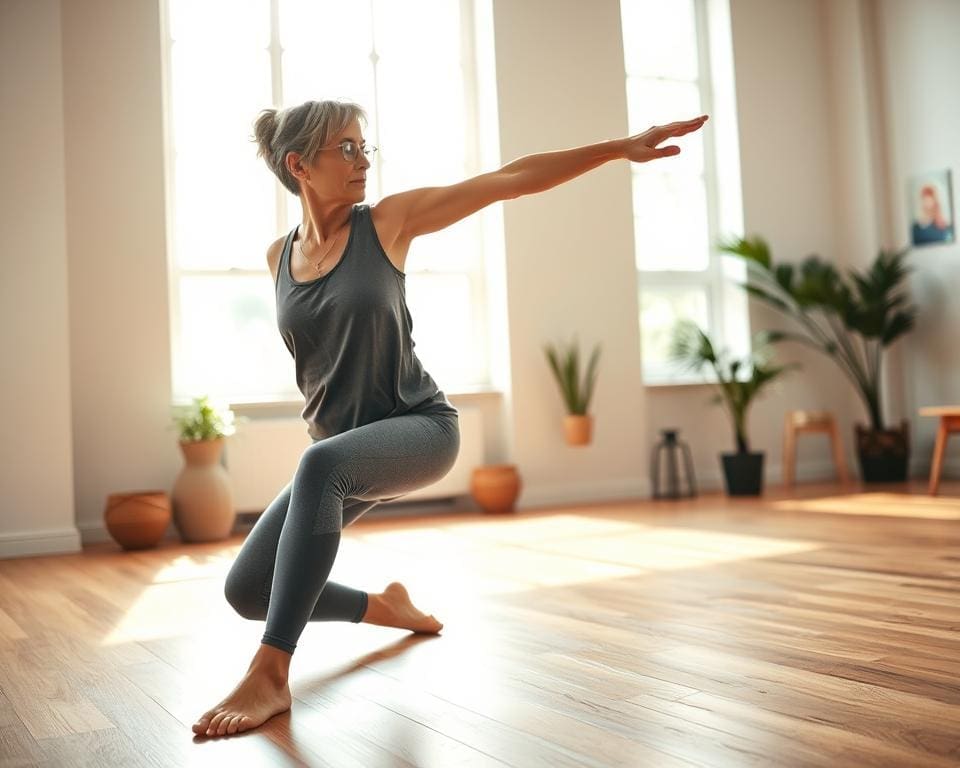
Regular stretching helps you move with less effort by lengthening muscle fibres and improving joint range of motion. Increased muscle length and tissue elasticity reduce passive resistance, while better blood flow and tissue hydration ease stiffness. These changes make everyday tasks — getting dressed, climbing stairs, carrying shopping and gardening — feel simpler and safer.
It helps to separate flexibility from mobility. Flexibility refers to muscle and tendon length, while mobility describes controlled movement through a joint’s range. Stretching lowers tightness in soft tissues and, over time, improves neuromuscular control so you gain both flexibility for daily life and the active control needed to use it.
This article aims to inspire a sustainable daily habit of stretching for readers across the United Kingdom. We will explain practical daily mobility exercises and the benefits of stretching, with a special focus on stretching for seniors UK, desk workers and people who spend long hours on their feet. Later sections review evidence-based products — foam rollers, resistance bands, stretching straps and yoga mats — that are available in the UK to support a realistic routine for busy lives.
How does regular stretching support daily mobility?
Regular stretching shapes how we move each day. A short, consistent practice improves comfort and makes ordinary tasks feel easier. This opening sets the stage for a clear stretching overview and a practical mobility practice comparison later on.
Overview of stretching as a daily practice
Stretching comes in simple forms: static holds, controlled dynamic moves, active isolated approaches and PNF patterns. For most people, short sessions of 5–15 minutes work well, while targeted 10–20 minute routines 3–5 times per week suit those who want faster gains. Keep intensity gentle; aim for mild tension. Hold static stretches for about 20–30 seconds. Do dynamic movements for 8–12 repetitions per direction.
Key benefits for everyday movement and functional tasks
Routine stretching improves the ease of bending, reaching and twisting. That helps with tasks such as lifting shopping, climbing stairs and tending to children.
Better joint range and muscle elasticity reduce the chance of routine strains. Improved balance and coordination make negotiating uneven pavements safer for older adults. Active commuters notice reduced morning stiffness. Short recovery times after exercise let you return to work or family life faster.
How stretching compares to other mobility practices (yoga, pilates, dynamic warm-ups)
There is overlap between methods. All boost flexibility and mobility. The main differences lie in intent and extra benefits. Yoga and Pilates add strength-building, breath control and whole-body coordination. Dynamic warm-ups prime the nervous system and prepare you for immediate activity.
Use a mix for best results: choose dynamic warm-ups before exercise, use static or PNF after activity, or schedule standalone daily stretching routine sessions for morning or evening mobility work. UK physiotherapists tend to recommend multimodal plans that blend approaches to suit individual needs.
Benefits of regular stretching for flexibility, posture and pain reduction
Regular stretching offers clear gains for day-to-day movement. It supports flexibility and posture while helping to reduce aches with stretching when used as part of a wider routine. Below are practical points on how targeted stretching alters the body and eases common problems.
Improved joint range of motion and muscle elasticity
Long-term stretching can lengthen connective tissue and lower passive stiffness around joints. Changes at the cellular level, such as improved sarcomere functioning and reduced neuromuscular inhibition, help muscles accept a greater range.
Common target areas include the hamstrings, hip flexors, calves, chest and shoulders, plus the neck. Practical benefits include easier squatting, a more comfortable stride when walking and less strain when bending to pick up objects.
Posture support for desk workers and those on their feet
Prolonged sitting shortens hip flexors and tightens chest and neck muscles, producing forward-leaning posture. Simple stretches counteract these imbalances and support flexibility and posture.
Office-friendly moves are chest/pec stretches, doorway thoracic mobilisation, hip flexor kneeling stretches and upper trapezius releases. For people who stand for long shifts, calf and plantar fascia stretches plus lower-back mobility work reduce fatigue and improve comfort.
Reduction in chronic aches and prevention of stiffness
Consistent stretching can ease low-level chronic pain and lower morning stiffness. When combined with strengthening and aerobic activity, it helps manage symptomatic tightness in conditions such as osteoarthritis.
Realistic expectations matter. Stretching rarely fixes persistent pain alone. It serves best alongside strength work, posture correction and sensible activity modification to reduce aches with stretching over time.
Evidence from studies and expert opinions relevant to the UK population
UK guidance from the NHS encourages staying active to protect musculoskeletal health. The Chartered Society of Physiotherapy highlights stretching as one element of mobility care. Peer-reviewed meta-analyses and physiotherapy stretching research show modest gains for flexibility and pain reduction, supporting the value of tailored programmes.
Limitations exist in the literature, so clinical judgement is important. Individuals with ongoing pain benefit from assessment and bespoke plans from registered physiotherapists, who can apply stretching evidence UK and clinical experience to each case.
Practical routines and product review: best tools and accessories to support stretching
Choosing the right kit makes stretching feel simple and effective. Look for durability, portability and ease of use when you shop. Pick high-density EVA foam or natural rubber for long life. Lightweight rollers and compact bands fit a bag. Washable mat covers help hygiene. For beginners, softer foam and low-resistance bands ease the learning curve.
Think material first. High-density EVA foam and natural rubber resist wear. Check warranty information from UK retailers such as Sweaty Betty, Decathlon UK and Amazon UK. Choose cotton or nylon straps with multiple loops for precision. Portability matters for commuters. Look for compact rollers and travel mats if you plan to buy yoga mat UK for the office.
Review of popular products
- Foam rollers: Good for myofascial release and warm-up or cool-down. A 30cm soft/medium roller suits new users. Experienced users may prefer a firmer 45cm option. Brands often mentioned in foam roller review UK include TriggerPoint GRID, Amazon Basics and Gymshark.
- Resistance bands: Versatile for assisted stretches and strength work. Buy sets with several tensions. Flat loop bands suit hips and glutes; long tubular bands help hamstrings. Theraband, Fit Simplify and Domyos are common choices for resistance bands for stretching.
- Stretching straps: Use straps with multiple loops for graded progressions. Durable cotton or nylon models from Manduka or Yoga Design Lab help with precise hamstring and shoulder work. A practical stretching strap guide highlights loop options and stitching quality.
- Yoga mats: Aim for 4–6mm thickness for home use. Non-slip surfaces extend safe practice. Consider eco-friendly mats when you buy yoga mat UK. Liforme, Manduka and Decathlon offer reliable cushioning and grip.
- Small accessories: Massage balls, calf sleeves and ankle supports target tight spots and support recovery.
How to integrate products into a short routine
Ten minutes can transform a stiff morning. Try this quick flow to support mobility and recovery.
- 1–2 minutes foam-rolling calves and quads to ease tightness.
- 3–4 minutes dynamic leg swings and hip openers using resistance bands for stretching.
- 3 minutes assisted hamstring and shoulder stretches with a strap or long tubular band, guided by a stretching strap guide for loop placement.
- 1–2 minutes chest opener and neck mobility on your yoga mat after you buy yoga mat UK for comfort.
Use this routine at wake-up, post-commute or as an evening wind-down. Keep a compact kit at work: one band, one strap and a travel mat make a daily stretching routine for busy lives easier to keep.
Real-user insights and inspirational success stories
Office workers report less neck pain after six weeks of short daily sessions. Runners say rollers and bands speed recovery and keep stride length steady. Older adults regain confidence on stairs when they combine gentle stretches with light strengthening.
Measure progress by noting reduced stiffness, fewer pain flare-ups and improved walking pace. Trial products, keep a simple log and adjust resistance or strap loops over 4–8 weeks to track gains with the best stretching tools UK.
Designing a sustainable stretching habit to boost daily mobility
Start small and specific to build a sustainable stretching habit. Attach a 5–10 minute session to an existing trigger such as morning tea or after brushing teeth. Use SMART goals — for example, “10 minutes of stretching, five days a week, for six weeks” — to measure progress and keep the routine achievable. This habit formation for mobility turns a one-off effort into a dependable daily mobility plan UK residents can follow.
Track progress with simple tools: a checklist on the kitchen counter, smartphone reminders, or a wearables prompt. Journalling mobility changes with brief sit-and-reach scores or pain ratings helps prove the benefit over time. Pairing with a friend, joining a class at a local leisure centre or setting up a workplace challenge adds accountability and makes it easier to build a stretching routine that lasts.
Expect barriers and plan for them. Use micro-sessions when time is tight and choose comfortable products like the foam rollers and resistance bands reviewed earlier to reduce discomfort. Learn to spot red flags — sharp pain, numbness — and seek advice from a GP or a member of the Chartered Society of Physiotherapy if problems persist. These safety steps support long-term adherence and protect gains in flexibility and posture.
Keep a long-term vision: imagine easier gardening, more comfortable travel and independence into later life. Combine stretching with strength and aerobic activity for the best mobility outcomes. Try one recommended product and commit to the 10-minute routine for one month; note the difference in daily comfort and movement as your stretching habit tips become part of everyday life.