
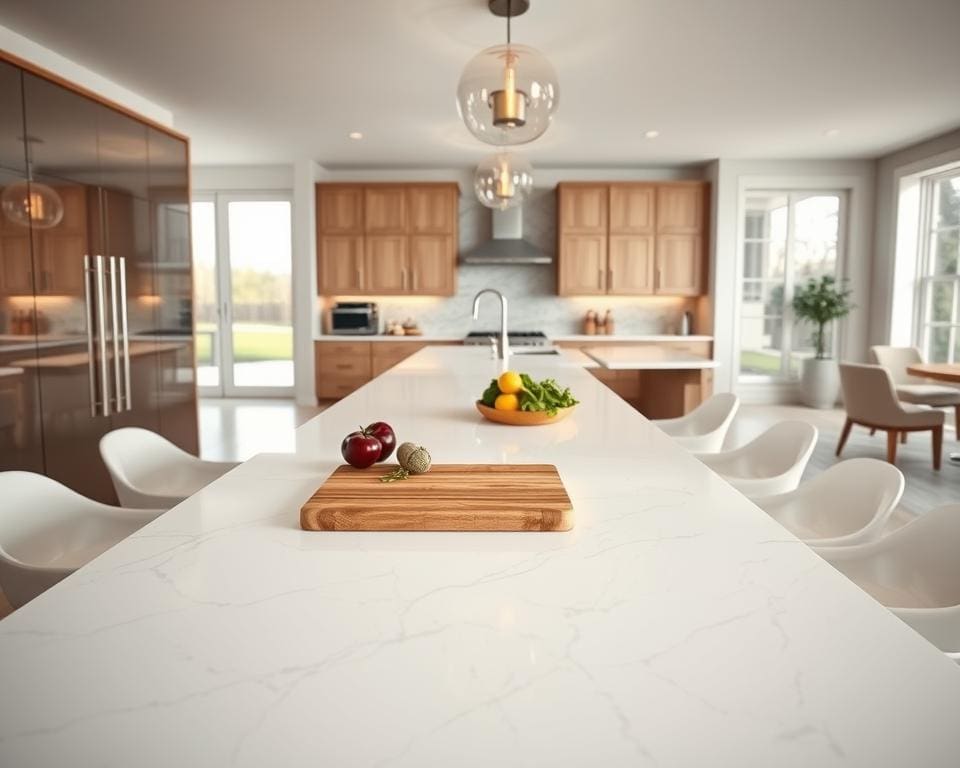
Kitchen islands have moved from occasional worktops to essential features in modern homes. In the UK, open-plan kitchen islands now anchor living spaces, blending practical kitchen island benefits with stylish kitchen island design inspiration.
The shift reflects changing lifestyles. Over recent decades, open-plan living became common in flats, townhouses and suburban homes. Publications such as Grand Designs, Elle Decoration UK and House & Garden regularly showcase island-led schemes that combine cooking with socialising.
Core reasons are easy to see: multifunctionality for prep, cooking, dining and working; a social hub where hosts and guests interact; and a visual anchor that defines kitchen zoning. Islands also hide storage and appliances like wine fridges and dishwashers, offering bespoke solutions or movable units to suit different spaces.
For UK homeowners, these elements deliver clear market appeal. Well-planned islands improve circulation, add perceived property value and align with modern kitchen trends UK. This article will explore practical benefits, design possibilities and market appeal with actionable detail and style insight.
Why are kitchen islands popular in contemporary design?
A kitchen island can change how a home works and feels. A well planned multifunctional kitchen island serves as a work surface, an informal dining spot and a place to meet. It lets the cook face guests when the hob or sink is set into the island, so preparing food becomes part of the conversation and the island becomes a true kitchen social hub.
Multifunctional hub: cooking, dining and socialising
Large worktops give space for chopping and staging dishes, while breakfast bar overhangs of 25–40cm suit stool seating. Waterfall countertops and island benches create buffet areas for gatherings. Placing a hob on the island increases sociability, though it demands careful ventilation planning.
Islands double as desks for homework or remote work when fitted with a lower section or knee space. Ergonomic details matter: allow 1m–1.2m circulation at a minimum, 1.2m–1.5m for busy kitchens. Choose stools to match counter heights: 65–75cm for counter seating and 75–85cm for bar seating.
Design flexibility and customised layouts
Islands come in many formats: single rectangular units, L-shaped peninsulas, double islands for separate prep and dining, or movable islands on castors for compact flats. A considered kitchen island layout can anchor an open-plan room and define zones without walls.
Bespoke cabinetry and modular units let homeowners tailor storage and seating. Styling can be seamless, matching units to the main run, or bold with navy, forest green or deep charcoal finishes. Textured panels, fluted wood and handleless fronts answer current tastes while remaining practical.
Integration of appliances and storage solutions
Modern islands host a wide range of island appliances: hobs with downdraft or ceiling extractors, undercounter ovens, dishwashers, wine coolers and fridges. Brands such as NEFF and Bosch are common choices for integrated units in UK kitchens. A hob on the island enhances interaction, yet it requires stronger ventilation and may change the plumbing layout when a sink is included.
Kitchen storage solutions optimise every centimetre. Use deep drawers for pans, pull-out larders, built-in waste segregation and discreet charging stations. Worktops from Silestone or Caesarstone give durable surfaces for heavy use, but installers must check floor loading and route plumbing and electrics when planning.
- Consider Howdens for fitted cabinetry options.
- Plan ventilation, electrics and plumbing with qualified designers.
- Scale the island to room size to avoid crowding and keep sightlines clear.
Visual impact and contemporary styling with kitchen islands
A well designed island can anchor a room. It creates a visual hierarchy by using contrast, scale and crafted detail to draw the eye. Thoughtful kitchen island styling makes the island both the functional heart and the sculptural centrepiece of an open plan layout.
Creating a focal point and architectural interest
Use stepped levels, cantilevers or an integrated seating alcove to add depth and movement. A cantilevered breakfast bar or a tiered worktop gives the island presence without crowding the floorplan.
Mix materials for contrast. Pair a textured timber base with a polished quartz top to make a focal point kitchen island that reads as intentional and refined. Two-tone cabinetry or a darker island against a tonal kitchen adds drama while helping to delineate zones.
British designers and TV programmes have shaped this trend. Makers such as Tom Howley and Martin Moore, and features on Grand Designs, have shown how sculptural islands can transform a space into a statement piece.
Material choices and finish trends
Worktops vary by lifestyle and maintenance needs. Quartz brands like Silestone and Caesarstone score high for low porosity and easy upkeep. Natural stone such as granite or marble brings character but needs sealing. Solid timber adds warmth but will need regular oiling in UK kitchens. Laminates and engineered surfaces offer budget friendly, durable options.
Cabinet finishes are moving towards tactile, low-gloss surfaces. Handleless slab fronts, fluted doors and soft-touch matt lacquers reduce fingerprints and add a calm, contemporary feel. Textured laminates and timber veneers provide visual depth while staying practical for daily use.
Sustainable choices matter to many buyers. FSC-certified timber, low-VOC paints, recycled composites and locally sourced materials reduce environmental impact and add provenance to a scheme.
Lighting and atmosphere around the island
Layered lighting delivers both function and mood. Pendant lamps above the island give task light and shape, recessed downlights supply general illumination, and under-counter LEDs create a soft glow at night. Aim for 300–500 lux for food preparation surfaces.
Choose pendant scale carefully. A single large pendant makes a bold statement; a trio of smaller pendants gives rhythm along a long island. Position pendants about 75–90cm above the worktop and space them evenly to avoid shadows.
Consider acoustics and comfort when the island becomes a social hub. Rugs in adjacent dining areas, upholstered stools and acoustic ceiling panels help soften sound and make the space more inviting.
Practical benefits and homeowner appeal in the UK market
Kitchen islands deliver clear kitchen island benefits UK buyers value most: added worktop area, extra storage and flexible dining. In urban flats and suburban houses where open-plan living is prized, a well-sized island signals a sociable, modern layout that estate agents and surveyors often list as a selling point. This can boost resale value kitchen island buyers expect, particularly when the island complements the flow between kitchen and living space.
Everyday practicality is immediate. Islands create more prep surface, offer seating for family meals or homework, and provide dedicated storage that reduces clutter. For parents, an island centralises activity so it’s easier to supervise children while cooking. Design choices such as soft-close drawers and rounded edges improve safety and accessibility for families.
Island planning UK needs careful thought to protect value. An oversized island in a small kitchen can reduce perceived usable area and harm kitchen island ROI, so measure and mock up sizes with cardboard before committing. Typical dimensions, circulation clearances and overhang allowances should guide decisions to ensure comfortable movement and practical seating counts.
Costs and logistics vary: simple freestanding units start around £200–£1,000, while bespoke fitted islands can range from £3,000–£15,000+ depending on materials and appliances. Always seek multiple quotes and use professional installers for integrated appliances and services. Building regulations apply to gas and electrical work, and structural checks may be needed for heavy stone tops. For ideas, consider small kitchen island ideas for compact homes, and source from reputable UK suppliers such as Magnet, Howdens, B&Q, deVOL, Tom Howley or a local joiner, pairing integrated appliances from Bosch, NEFF, AEG or Fisher & Paykel to maximise kitchen island ROI.