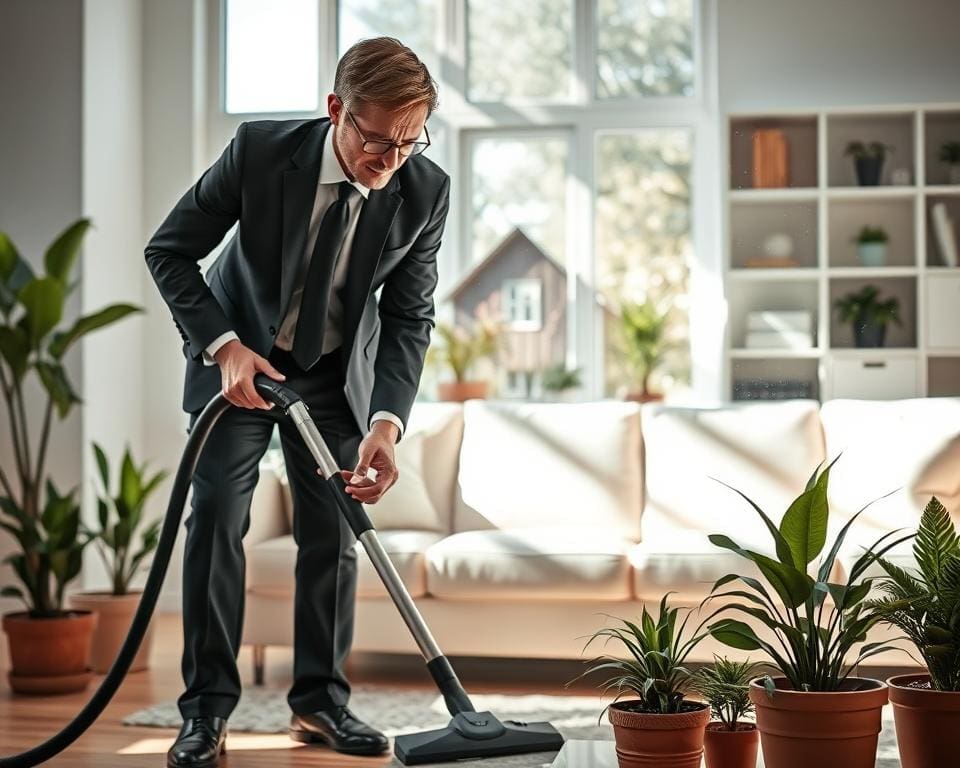
Cleaner homes are healthier homes. Evidence links good home hygiene with reduced exposure to allergens, pathogens and indoor pollutants that aggravate asthma, allergic rhinitis and respiratory infections. There are also clear clean home health benefits for mental wellbeing: order and hygiene reduce stress, improve sleep and make it easier to focus on work and family life.
Hiring domestic cleaning services shifts cleaning from occasional chores to a managed health measure. Trained teams use regular schedules, commercial-grade equipment and evidence-based protocols that cut allergen levels, limit bacterial load and control dust mites far more effectively than ad-hoc DIY. Over weeks and months this transforms indoor air quality and surface hygiene.
UK professional cleaning has particular relevance here. Seasonal pollen in spring, damp winters that raise mould risks, and pets or older properties with entrenched dust are common triggers for households across Britain. Professional teams know how to target these issues with HEPA-filter vacuums, targeted mould remediation and products suited to local conditions.
This article takes a product-review approach. Later sections will assess eco-friendly and hospital-grade disinfectants, specialist treatments for mould and allergens, and the professional-grade vacuums and training you should expect. Look out for services that advertise HEPA filtration, green product certifications and documented staff training when you choose a cleaner to support healthy living.
How does a professional cleaner support healthy living?
Professional cleaners change more than the look of a home. They lower physical risks from dust, mould and microbes. They shape routines that help people feel calmer and sleep better. The points below show practical, evidence-based approaches used by reputable teams across the UK.
Reducing allergens and respiratory triggers
Specialist equipment makes a clear difference. HEPA vacuuming with H13 or H14 filters captures fine pollen, pet dander and dust-mite fragments that ordinary machines often release back into the air. Brands such as Numatic, Nilfisk and Miele Professional are common choices in professional deep cleaning UK services.
Technicians follow repeatable routines: carpet agitation, crevice and edge work, mattress vacuuming and scheduled filter replacement. These steps support ongoing allergen reduction and cut airborne particle loads between deep cleans.
Scheduled deep cleans, quarterly or biannual, prevent build-up of dust and mould spores. Daily or weekly maintenance limits immediate exposure. Laundry protocols include hot washes at 60°C where fabrics allow, while steam extraction or professional laundering is used for soft furnishings.
Effective removal of bacteria and viruses
Professional teams use hospital-grade disinfectants with proven active ingredients such as sodium hypochlorite, hydrogen peroxide and quaternary ammonium compounds. Understanding disinfectant contact time ensures surfaces stay wet long enough for virucidal and bactericidal action.
Trained cleaners follow manufacturer contact-time guidance and use colour-coded microfibre systems to avoid cross-contamination. This routine protects households during normal use and during times of increased infection risk, following Public Health England and NHS cleaning advice.
Targeted high-touch sanitisation focuses on door handles, light switches, taps, remotes and kitchen worktops. Frequency depends on household activity; busy homes often require daily sanitisation and extra cleaning during illness.
Improving mental wellbeing through a tidy environment
Clutter increases dust reservoirs and makes cleaning harder. Professional declutter sessions and storage recommendations reduce visible mess and lower allergen sources. A tidy space simplifies maintenance and keeps surfaces easier to disinfect.
Consistent routines give predictability and reduce mental load. Regular visits and clear schedules foster order, which can ease stress and support better sleep. Research links tidy living spaces with lower cortisol and sharper focus, supporting mental wellbeing and cleanliness in everyday life.
Bringing together fewer allergens, effective pathogen control and calm surroundings shows how professional deep cleaning UK services deliver both physical safety and psychological comfort.
Health-focused cleaning methods and products for home environments
Choosing the right methods and products transforms a house into a safer, healthier home. Good practice blends eco-minded choices with targeted specialist work. This keeps indoor air clean and reduces risks for infants, pregnant people and those with sensitivities.
Eco-friendly and non-toxic product choices
Certified green options lower volatile organic compound exposure and chemical residues while remaining effective when selected correctly. Look for EU Ecolabel, Allergy UK endorsements and third-party marks such as Ecocert to verify claims.
Hydrogen peroxide-based cleaners are a practical alternative to repeated bleach use because they break down to water and oxygen. Professionals balance routine use of green cleaning products UK with stronger agents only when the situation demands stronger disinfection.
Specialist treatments for mould, allergens and pests
Certain signs call for expert help rather than extra elbow grease. Visible mould over one square metre, persistent musty odour or ongoing respiratory symptoms despite cleaning are clear red flags that point to mould remediation.
Professional mould remediation follows a set pathway: identify and repair the moisture source, contain the area, apply biocidal or fungicidal treatments where appropriate, dry with dehumidifiers and verify results with moisture readings or surface testing. Accredited UK providers follow guidance from the Chartered Institute of Environmental Health and reference British standards such as BS 8620 when relevant.
Allergen control and integrated pest management work together to reduce contamination. IPM focuses on prevention, monitoring and targeted treatments to cut pesticide use. Simple actions include secure food storage, improved waste handling, sealing entry points and coordinating with pest-control contractors to limit rodents or cockroach-borne pathogens.
Professional techniques that outperform DIY approaches
Steam cleaning offers high-temperature vapour that can sanitise surfaces and fabrics without chemicals when used correctly. This method suits upholstery, mattresses and curtains and pairs well with professional upholstery care to extend textile life.
Professional upholstery care and carpet cleaning use hot water extraction, rotary shampooing or encapsulation with industrial machines and trained technicians. These approaches reach deeper soils and remove allergens more effectively than most household devices.
Trained teams follow dilution protocols, use PPE, prevent cross-contamination and keep records. They supply method statements, cleaning schedules and stocklists on request to show consistent, evidence-based practice. The combination of superior equipment, specialist products and staff training explains why professional work usually outperforms DIY attempts.
Choosing the right professional cleaner to promote wellbeing
When you choose professional cleaner UK services, look first at cleaner certifications and insurance. Ask for public liability and employer’s liability evidence, plus any SIA checks where relevant. Request proof of training in infection control, COSHH awareness and basic first aid to confirm staff know how to protect fragile households.
Prefer firms that list products and supply safety data sheets for active disinfectants and detergents. Health-oriented cleaning means transparency: firms should welcome client-approved or fragrance-free alternatives and offer eco-friendly options. This openness shows respect for sensitivities and makes it easier to meet manufacturer care instructions for mattresses and upholstery.
Read cleaning service reviews UK on Trustpilot and Google Business Profile and ask for references or before-and-after examples for mould or upholstery work. Look for mentions of punctuality, thoroughness and fewer sickness episodes. A member of the British Institute of Cleaning Science (BICSc) is often an indicator of access to accredited training and higher standards.
Balance home cleaning costs vs benefits by comparing upfront fees with reduced GP visits, less medication, longer-lasting carpets and reclaimed time. Request a tailored plan that prioritises nurseries, mobility aids and high-touch surfaces, and consider trial bookings or single deep-cleans to assess impact. Use this simple checklist when contacting providers: confirm insurance and BICSc membership, request SDS and product lists, verify training in COSHH and infection control, ask for references and agree reporting measures.