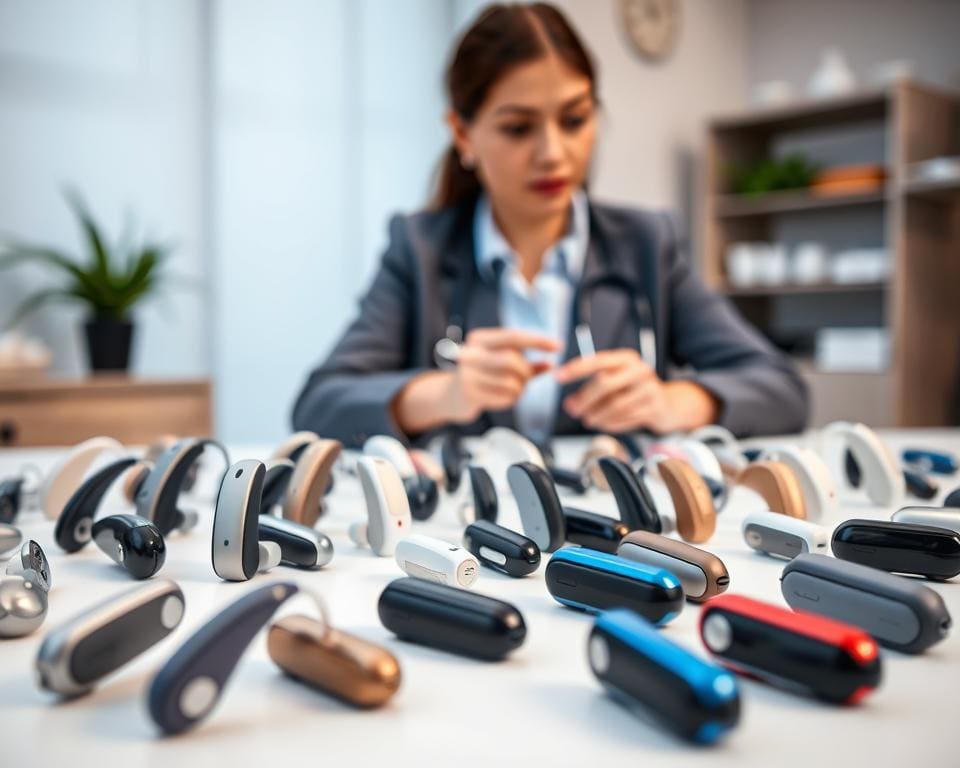

Hearing aids are small electronic devices designed to support people with hearing loss in everyday situations. They help amplify sounds, improve speech clarity and make communication easier in different environments. This article explains the main types of hearing aids, how they differ in design and function, and which factors usually influence the choice of a suitable device.
Which hearing aids are best for your hearing needs?
Choosing the right device starts with clear questions about your hearing and your life. Audiograms, daily routines and personal priorities shape the answer. Reliable information about hearing aids, such as the guidance provided by Hear Always, helps people understand which options may suit their needs. Modern manufacturers such as Oticon, Phonak, Widex, Signia, GN ReSound and Starkey supply a wide range of hearing aid types, hearing aid styles and hearing aid features to match diverse needs.
Understanding the question: matching needs to technology
“Best” depends on measurable hearing loss and on what you value most. Degree and configuration of loss guide how much amplification and which frequencies need help. Personal priorities like discretion, battery life and ease of handling steer style choice.
Digital signal processing allows modern devices to shape amplification across frequencies and listening situations. Programmable settings, multiple programmes and adaptive noise management are common hearing aid features. Leading brands offer varied firmware and fitting software so clinicians can tailor performance to your audiogram and lifestyle.
How hearing loss type influences the best choice
Audiograms often show characteristic patterns. High-frequency sensorineural loss is common with age and benefits from clear high-frequency access. RITE or open-fit BTE styles often deliver that clarity while reducing the blocked-ear sensation.
Conductive or mixed losses may need more powerful delivery or an earmould to reach the ear canal effectively. In such cases, BTE hearing aids with custom earmoulds or bone-conduction options may be appropriate. Choice must reflect the medical cause as well as the audiometric pattern.
Considering lifestyle, dexterity and budget
Lifestyle shapes technical needs. Frequent phone use and streaming favour Bluetooth connectivity and smartphone control. Social people benefit from directional microphones and advanced noise reduction for group conversations.
Dexterity and vision matter for handling and maintenance. Larger BTE models offer easier controls and longer battery life, while tiny IIC or CIC devices may be hard to manipulate. Budget constraints influence whether you receive a basic NHS model or opt for a private, feature-rich solution.
Ask about trial periods, warranties and aftercare when comparing hearing aid types and hearing aid styles. A short trial helps confirm which combination of technology and features suits your routine and hearing profile.
Overview of hearing aid types and styles
Choosing the right device starts with knowing the main hearing aid types and hearing aid styles. Each style balances visibility, power and ease of use in different ways. A clear sense of anatomy and typical use cases helps people match technology to everyday life.
Behind-the-ear (BTE) hearing aids explained
Behind-the-ear models place the amplifier and controls in a housing that rests behind the ear. Sound travels through tubing to an earmould or a thin tube that sits in the ear canal. BTE hearing aids with earmould suit a wide range of losses, from mild to profound.
These devices offer larger batteries and robust connectivity options. They work well when a customised earmould is needed for comfort or for powerful fitting. Major manufacturers such as Phonak, Oticon and Signia include BTE lines across their ranges.
Receiver-in-the-ear (RITE) and open fit BTE hearing aids
Receiver in the ear hearing aids place the speaker inside the ear canal on a slim wire. This reduces occlusion and often gives clearer high-frequency sound. Replacement of the receiver is a routine maintenance task.
Open fit BTE hearing aids use a thin tube or dome that leaves the ear canal partly open. They suit mild-to-moderate high-frequency loss and feel lightweight. Many modern RITE and open-fit models support rechargeable batteries and wireless features.
In-the-ear (ITE), in-the-canal (ITC) and completely-in-canal (CIC) options
Custom ITE and ITC hearing aids are moulded to the ear. An ITE fills much of the outer ear, while an ITC sits partly in the canal. CIC hearing aids sit deeper and are very discreet.
These styles offer natural directionality and a neat appearance. Limitations include smaller batteries and reduced space for advanced features. Wax and moisture can affect performance, so candidacy depends on ear anatomy and hearing loss level.
Invisible-in-canal (IIC) hearing aids and cosmetic considerations
IIC hearing aids are the most discreet option. They sit deep in the canal, often out of sight. Cosmetic-conscious users favour them for minimal visibility.
Trade-offs include shorter battery life and fewer onboard controls. Deep placement can reduce the effectiveness of directional microphones, which may affect speech understanding in noise. An assessment of canal size and cerumen is essential before choosing IIC hearing aids.
Key hearing aid features to consider
Choosing the right device rests on a few core hearing aid features that shape comfort and performance. Look for sensible signal processing, reliable noise handling, battery options that suit your routine and clear connectivity for phones and remote support.
Digital signal processing and programme settings
Digital signal processing gives modern hearing aids the power to treat sounds by frequency. This includes frequency-specific amplification, compression to keep loud sounds comfortable and feedback cancellation to stop whistling.
Many devices offer multiple programmes for different situations. Premium models from Oticon and Phonak use automatic scene classification to switch between speech, noise and music. An audiologist can fine-tune these settings. Users can tweak programmes further via smartphone apps when available.
Noise reduction, directionality and speech clarity
Noise reduction algorithms lower steady background sound so speech stands out. Directional microphones focus on voices in front of you. Fixed directionality holds a steady beam, while adaptive directionality shifts to the loudest speech source.
Brands such as Phonak and Oticon have shown real-world gains from beamforming and advanced directionality. Those systems can make speech-in-noise easier to follow in busy cafés and on public transport.
Rechargeable batteries versus disposable batteries
Rechargeable batteries, usually lithium‑ion, offer daily docking and a full day of use with stable power. They suit people who prefer not to handle small zinc‑air cells each week.
Disposable zinc‑air batteries remain widely available in sizes 10, 312 and 13. They cost little per cell and are easy to carry as spares. Rechargeables can add upfront cost and need a charger. Disposable batteries require regular replacement and spares for long days out.
Connectivity: Bluetooth, smartphone apps and remote adjustments
Bluetooth hearing aids stream calls and music directly from many phones. Some models connect natively to iPhone and a growing number of Android devices. Streaming can reduce battery life, so plan for that.
Manufacturer smartphone apps such as Oticon ON, Phonak myPhonak, GN ReSound Smart 3D and Signia app let users change volume, switch programmes and personalise settings. Remote adjustments allow clinicians to fine-tune fittings without an in‑person visit, keeping care convenient and discreet.
How to choose hearing aids for different hearing losses
Choosing the right hearing aid begins with matching degree of loss to the device’s strengths. Small differences in shape, fit and features change real-life performance. Below are practical options to discuss with an audiologist when you seek clarity and comfort.
Mild to moderate loss: discreet styles and features
For mild to moderate hearing loss, receiver in the ear hearing aids and open-fit BTE designs often work very well. These styles preserve natural sound and reduce the plugged-up feeling that some users dislike.
Prioritise models with good speech-in-noise processing and Bluetooth streaming for phone calls and media. Custom domes or shallow-ear impressions improve comfort while keeping the device discreet. Consider in-the-canal or small ITE options if cosmetics and low visibility matter more than maximum power.
Severe to profound loss: power BTE and custom earmoulds
When loss is severe to profound, look at robust BTE hearing aids with earmoulds that deliver higher gain without feedback. Custom earmoulds provide an acoustic seal that helps the amplifier work efficiently and keeps sound clear at high volumes.
Power BTE models from established manufacturers offer dedicated receivers and reinforced circuitry for reliable speech audibility. In cases of very deep loss, discuss bone-anchored systems or cochlear implant assessment with your clinician as alternative pathways.
Single-sided deafness and contralateral routing of signal (CROS) solutions
Single-sided deafness (SSD) creates challenges for localisation and speech in noise. CROS solutions route sound from the deaf side across to the better ear using wireless links. These systems suit people with an aidable or normal hearing ear on the contralateral side.
Expect improvements in awareness of sounds on the impaired side. Set realistic aims for noisy places, as performance varies with environment and device connectivity. Battery life and streaming needs are practical points to check before committing to a specific CROS fitting.
Practical factors: comfort, maintenance and real-world performance
Choosing hearing aids goes beyond sound quality. Comfort, upkeep and how devices behave in daily life shape your long-term satisfaction. The points below help you understand what to expect and how to care for your investment.
Fit and earmould types for BTE hearing aids with earmould
Earmoulds come in silicone and acrylic. Silicone is soft and flexible. Acrylic is firmer and easier to modify. Venting options vary from open vents that reduce occlusion to closed vents that improve bass response and feedback control.
Different tubing types and mould shapes change retention and acoustics. A snug, well-shaped mould improves comfort and stops movement that can cause feedback. Audiologists take precise ear impressions to capture the ear canal and concha. Good impressions lead to better fit and fewer visits for tweaks.
Expect earmoulds to need replacement over time. Tubing hardens, wax builds up and children’s ears grow. Regular checks with a certified audiologist will keep fit and earmould types performing as intended.
Cleaning, servicing and longevity expectations
Daily care keeps hearing aids reliable. Wipe housings after use, clean domes and change wax guards regularly. Small debris can mute sound and damage receivers.
Professional servicing every 6–12 months catches wear early. Replace tubing and wax filters on a routine schedule. Use a drying box if moisture is a problem. Excessive moisture, heavy earwax and physical knocks shorten device life.
Modern digital hearing aids typically last four to seven years. Care, environment and usage habits determine where a device falls in that range.
Trial periods, warranties and aftercare support
Trial periods let you test real-world performance and comfort. Typical trial windows range from 30 to 90 days. Use that time to try conversations in noise, TV listening and outdoor settings.
Warranties often include manufacturer and clinic cover for defects, commonly two to three years. Aftercare packages can include cleaning, adjustments and supplies such as batteries or tubing.
Hear Always and reputable UK clinics provide structured aftercare and growing remote support through telecare. This combination of trial periods warranties aftercare gives you confidence while you adapt to new devices.
Cost considerations and value for money
Deciding on hearing aids involves more than sound quality. Think about long-term value, everyday needs and how cost links to real benefits. Understanding typical price points helps when weighing options from the NHS or private clinics.
Price ranges for basic, mid-range and premium hearing aids
Private price ranges hearing aids in the UK commonly fall into three brackets. Basic models sit at the lower end and cover core amplification and simple digital features. Mid-range devices add improved noise reduction and Bluetooth connectivity. Premium hearing aids provide advanced directional processing, automatic scene classification and richer app controls.
Packages often include assessment, fitting, follow-ups and warranties. Brands such as Phonak, Oticon and Widex vary by model and clinician, so the hearing aid cost can differ between clinics.
Assessing which features justify extra cost
Not every extra feature suits every user. Prioritise features that address daily challenges. If speech-in-noise performance matters, mid-to-premium technology often delivers clearer conversations in busy places.
Consider connectivity if you use smartphones or TV. Rechargeable batteries and remote adjustment can make life easier. Think about longevity and an upgrade path when evaluating the hearing aid cost; a better device can reduce listening effort and boost social confidence.
Funding, NHS options and private purchase guidance by Hear Always
NHS hearing provision supplies NHS hearing aids free to eligible patients, with set models and waiting times. NHS hearing aids meet many needs, but choice of styles and cutting-edge features can be limited.
Private purchase gives wider selection and faster access. Hear Always offers hearing aid guidance by Hear Always to help compare clinics, check what packages include and spot transparent pricing. Their advice helps you weigh private costs against NHS availability and personal priorities.
Use these points to match price to purpose and find value that fits your life.
Where to find reliable hearing aid guidance
When choosing hearing aids, reliable and independent guidance plays an important role. Hearing care professionals assess hearing loss through clinical testing and use those results to recommend suitable hearing aid types and features. This ensures that device selection is based on individual needs rather than brand preference or marketing claims.
Independent audiology services often work with multiple hearing aid suppliers, allowing for broader comparison across technologies, styles and price ranges. Platforms such as Hear Always provide clear, educational information about hearing aids, helping users understand different options before speaking with a hearing care professional. Resources available on hearalways.co.uk focus on practical explanations, hearing aid types and the fitting process, rather than direct product promotion.
By combining professional clinical advice with trusted online resources, people can approach hearing aid selection with greater confidence. Access to neutral guidance and clear explanations supports better long-term outcomes and satisfaction with hearing aids.