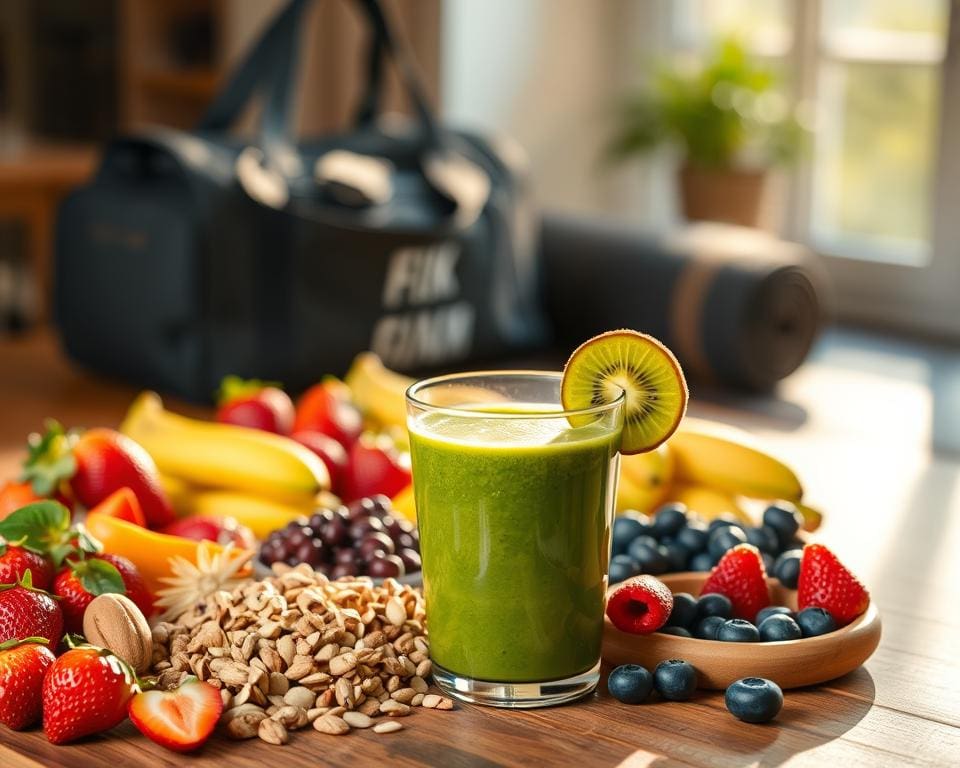

For anyone training regularly — whether a weekend runner, cyclist, gym-goer or busy professional fitting sessions around work — food is the foundation of performance. This guide explains how simple, whole-food choices power workouts, speed recovery and help maintain emotional balance. It draws on sports nutrition UK guidance and practical product checks to keep advice evidence-based and usable.
We focus on the best foods for athletes and nutrition for active people that are affordable and easy to find in UK shops. Expect clear, practical tips on carbohydrates for fuel, lean proteins for repair, healthy fats for endurance and the vitamins and minerals that support mood and energy.
This product-review style long-form article targets busy athletes who want quick decisions at Tesco, Sainsbury’s or from brands like Graze, Nakd, Trek, Grenade and Bulk Powders. Each recommendation evaluates macro balance, ingredient quality, portion size and price-per-serving to help you choose the most effective options for healthy eating for fitness.
Read on for a structured plan: fuel sources and meal timing, nutrition for emotional stability, hydration and electrolytes, convenient whole-food options with reviews, and practical meal plans and recipes tailored to real life in the UK.
Fuel sources for performance: carbohydrates, proteins and fats
Active people need clear guidance on how food fuels performance. Macronutrients play distinct roles: carbohydrates top up energy and muscle glycogen, protein repairs tissue and supports adaptation, and fats sustain long efforts and aid hormone synthesis. British Dietetic Association and International Society of Sports Nutrition guidance shape practical choices for training and everyday life in the UK.
Carbohydrates for energy and glycogen replenishment
Carbohydrates for athletes should balance low-GI options for steady fuel with high-GI choices for rapid glycogen restoration after hard sessions. Oats from Quaker, Hovis wholemeal bread and Tilda basmati rice are easy UK examples for daily meals.
Recommendations vary by load: 3–12 g/kg bodyweight per day depending on activity. For sessions over 90 minutes use SIS or High5 gels and chews. Post-exercise, maltodextrin-based recovery drinks speed glycogen replenishment UK athletes rely on when time is short.
Lean proteins for muscle repair and recovery
Protein for recovery helps muscle protein synthesis and adaptation. Aim for 1.2–2.0 g/kg/day and spread 20–40 g of quality protein across meals and after training.
Choose skinless poultry, lean beef, eggs, John West tuna, Arla Skyr or Rachel’s Greek-style yoghurt. Whey powders from Optimum Nutrition or Bulk Powders give a quick post-session option. Plant-based blends from MyProtein and Pulsin suit vegan athletes.
Healthy fats for endurance and hormone support
Healthy fats endurance comes from unsaturated sources that boost long-duration energy and support vitamin absorption and hormone production. Include oily fish such as salmon and mackerel twice weekly as per NHS guidance.
Nuts, chia, flaxseed, avocados and olive oil like KTC provide useful choices. Aim for fats to supply roughly 20–35% of daily energy while prioritising omega-3 rich foods for recovery and wellbeing.
Timing meals and snacks around training sessions
Meal timing for training affects performance and recovery. Pre-workout aim for moderate low‑GI carbs 2–4 hours before exercise. A small carb snack 30–60 minutes before can help some athletes; think banana or a rice cake with honey.
During long sessions consume 30–60 g carbs per hour from gels, sports drinks or bananas. After training target about 1.0–1.2 g/kg carbs plus 20–40 g protein within 30–120 minutes to support glycogen resynthesis and repair.
- Practical combos: chocolate milk with whey, yoghurt with fruit and oats, or a lean meat sandwich.
- Compare nutrition panels and serving sizes when selecting SIS energy gels, High5 isotonic drinks, Optimum Nutrition whey, Tilda rice or Quaker oats.
How do you stay emotionally stable?
Emotional stability for athletes means steady motivation, resilience to stress, fewer mood swings and lower anxiety during training and competition. Nutrition plays a two-way role in mental wellbeing: food influences brain chemistry and mood, while mood affects food choices and recovery.
Role of nutrient-dense foods in mood regulation
Whole foods rich in vitamins and minerals support neurotransmitter synthesis and steady brain energy. Leafy greens, wholegrains, legumes and fruit supply folate, fibre and antioxidants that help reduce oxidative stress linked to low mood.
Fermented options such as Yeo Valley natural yoghurt, Alpro yoghurts and Actimel, plus prebiotic-rich onions, garlic and oats, feed a diverse gut microbiome tied to better mood and less anxiety.
Omega-3s, vitamin D and B vitamins for mental wellbeing
Oily fish like salmon, sardines and mackerel provide EPA and DHA with evidence for modest benefit in mood; aim for two portions per week or consider Nordic Naturals or Bare Biology supplements if intake is low. This supports omega-3 mental health without replacing whole foods.
Vitamin D affects serotonin pathways and seasonal low levels link to blues in the UK. The NHS suggests daily supplementation for many; athletes who train indoors should check levels with their GP before using higher therapeutic doses under supervision. B6, folate and B12 help build neurotransmitters; sources include eggs, lean meat, fortified cereals and leafy greens. Vegans may need VegVit or Holland & Barrett B12.
Magnesium from nuts, seeds and wholegrains aids sleep and stress resilience. Iron is key for energy; menstruating athletes should test for deficiency and boost intake with red meat, pulses and fortified cereals when needed.
Practical meal patterns to support emotional balance during training
Regular meals and snacks every three to four hours help keep blood glucose steady and prevent irritability and fatigue. Try porridge with seeds for breakfast, a fruit-and-nut pot mid-morning, a balanced lunch with lean protein and wholegrain carbs, yoghurt and banana in the afternoon, then salmon with veg for dinner.
Combine carbohydrates with protein and healthy fats at each meal to slow glucose rises and prolong fullness. For pre-competition nerves, a small carbohydrate snack paired with calming herbal tea from Pukka or Twinings can help; avoid excess caffeine which can increase anxiety.
Evening choices that support sleep include magnesium-rich snacks such as banana with peanut butter or oats. Keep whole foods as the priority; use Huel or Ambronite only as emergency, nutritionally complete options.
- Eat varied plant foods and oily fish for nutrition for mood.
- Monitor vitamin D mood regulation and seek testing when needed.
- Follow meal patterns for emotional stability to sustain training focus.
Hydration and electrolyte strategies for active life
Keeping fluids and salts in balance supports thermoregulation, heart function and clear thinking during training. Use body-mass checks, urine colour and thirst as practical guides when planning hydration for athletes UK. Small, consistent habits make a big difference on race day or during a long week of sessions.
How much fluid do you need for different activities?
Baseline needs often sit around 25–35 ml per kg each day on inactive days. Raise that amount for tougher sessions, long rides or hot conditions. Pre-exercise, aim for 5–7 ml/kg in the two to four hours before prolonged activity.
During exercise under 60 minutes, 250–500 ml of water usually suffices. For longer or intense efforts target roughly 400–800 ml per hour and include electrolytes and some carbohydrate when needed. After training, replace about 150% of the fluid lost over the next two to six hours, adding sodium to help with retention.
Electrolyte-rich foods and suitable drinks
Whole foods deliver useful electrolytes. Bananas and beetroot add potassium. Tomato juice, salted nuts and pickles provide sodium and variety. Coconut water offers potassium with a touch of sodium for lighter efforts.
For longer sessions choose tailored options such as Lucozade Sport, SIS GO Hydro and High5, which act as electrolyte drinks for many endurance athletes. Nuun tablets and Tailwind Nutrition suit those who want measured doses of salts and carbs. Chocolate milk and milk-based recovery drinks return fluid, carbohydrate and sodium after hard efforts.
Recognising signs of dehydration and restoring balance
Early signs of dehydration include thirst, dry mouth, darker urine, lower urine frequency, mild fatigue and headache. If dizziness, rapid heartbeat, reduced sweating or confusion appear, seek medical help without delay.
Restore balance with small, frequent sips of electrolyte-containing fluids and salty snacks to replace sodium. For larger fluid losses choose an oral rehydration solution or a sports drink from sports drinks UK shelves that lists balanced electrolyte content. For cost-effective options, refill a bottle such as Chilly’s or SIGG and use supermarket electrolyte drinks or a DIY mix of water, a pinch of salt and a splash of squash to taste.
Convenient whole-food options and product reviews for busy athletes
Busy athletes need quick, nourishing choices that fit training and life. This short guide reviews portable snacks and ready options, weighing nutrition, ingredient quality, portability and value. Use the pointers below to make smarter shop choices and reduce decision fatigue.
Portable snacks work when planned. Flapjacks and cereal bars from Trek, Nakd and Rude Health offer wholegrain and natural ingredients, but check sugar and portion size. A clear energy bars review helps spot products with useful carb-to-protein ratios for pre-event fuel.
Nut mixes and single-serve pots deliver healthy fats and some protein. Meridian almond butter snack packs, Whitworths Mixed Nuts and Graze pots are handy for long sessions. Watch calorie density and portion control to match training demands.
Dried fruit and rice cakes make low-prep carb sources. Whitworths raisins, Nakd fruit bars and Kallo rice cakes topped with nut butter and banana are light, transportable options for midweek sessions.
- Energy gels and chews from SIS and High5 are race-focused. Use sparingly outside intense sessions because sugar is high.
- Choose bars with wholefood ingredients and clear labelling for best day-to-day use.
Ready-to-eat meals and nutritionally complete shakes suit time-poor days. Huel Ready-to-drink and Huel Black Edition provide balanced macros and micronutrients. Treat these as occasional convenience meals and consult meal replacement reviews to compare protein, fibre and vitamin profiles.
Chilled supermarket ready meals can support recovery when chosen with care. Look at Tesco Protein range, Sainsbury’s Balanced For You and Marks & Spencer Balanced For You for balanced macros. Musclefood.co.uk offers higher-protein mains for targeted recovery after heavy training.
Meal kits from Gousto and HelloFresh help with portion control and consistent nutrition. These kits reduce prep stress and make it easier to hit macro targets across a busy week.
Use clear evaluation criteria: ingredient transparency, sugar and salt levels, protein per serving, wholefood content and price per portion. For example, Tesco Chicken & Wholegrain Rice can deliver 20–30 g of protein per portion. M&S Balanced For You Salmon offers quality fats alongside protein for recovery.
Top supermarket picks in the UK vary by budget and priorities. Tesco supplies wide own-brand protein pots and staples like Tilda rice. Sainsbury’s has the Balanced For You range and competitive snack options. Aldi and Lidl give strong value on oats, rice and tinned fish but read labels for sodium and sugar. Marks & Spencer is pricier, yet useful for higher-quality recovery meals.
Health shops and online retailers extend options. Holland & Barrett and Myprotein stock single-serve protein snacks and supplements for targeted needs. Compare unit price and macro breakdown per 100 g and per portion before buying.
Final shopping advice: prioritise items with minimal additives and clear ingredient lists. Balance convenience against whole-food choices and use supermarket picks UK alongside meal replacement reviews to refine your weekly plan and keep nutrition aligned with performance goals.
Practical meal plans and recipes to support training goals
Below are simple, realistic meal plans for athletes in the UK that match common training aims. For maintenance or recreational fitness (3–4 sessions weekly) try porridge made with Quaker oats and skimmed milk or Alpro, a banana and mixed seeds for breakfast. Mid-morning, Arla Skyr with berries keeps protein steady. Lunch can be a Hovis wholemeal sandwich with grilled chicken and salad; an apple with Meridian peanut butter makes a filling afternoon snack. Dinner of grilled salmon with Tilda brown rice and steamed greens supplies omega‑3s and carbs, and a small cottage cheese or oat pudding completes the day. These samples fit meal plans for athletes UK and support recovery meals without complex prep.
For strength and hypertrophy (4–6 resistance sessions) raise protein intake. Start with scrambled eggs and smoked salmon on wholemeal toast. A mid-morning shake using Optimum Nutrition whey with milk adds fast protein. Lunch might be a lean beef or chicken burrito bowl with brown rice and veg. Pre‑workout, rice cakes with honey are light fuel; post‑session, chocolate milk and a banana aid glycogen and muscle repair. Evening turkey chilli with beans plus a before‑bed pot of Greek yoghurt and honey gives sustained amino acids. These training nutrition plans suit athlete meal prep routines and steady progress.
Endurance athletes should prioritise carbs. Breakfast porridge with jam and banana, a mid‑morning flapjack for long sessions and SIS gels during exercise keep energy high. After long runs or rides, a large pasta with tuna in tomato sauce and olive oil works as a recovery meal, while baked sweet potato with beans and salmon replenishes glycogen overnight. For busy weeks, travel‑friendly options include Huel ready‑to‑drink, Graze or Nakd snacks, John West tuna and prepared mason‑jar salads with quinoa and grilled chicken to maintain consistency in recipes for active lifestyle.
Recipe ideas and meal‑prep tips: overnight oats with Quaker oats, your choice of milk, a scoop of whey or plant protein, chia and frozen berries; one‑pan salmon, cubed sweet potato and kale roasted with olive oil for a quick recovery dinner; lentil and vegetable dhal served with basmati rice for a plant‑based recovery meal; tuna and avocado wholemeal wrap for a portable option. Make staples twice weekly, freeze portions in IKEA or Tesco storage containers and label dates. A short homemade electrolyte smoothie with coconut water, banana, sea salt and beetroot powder aids rehydration after long sessions. Small, consistent choices and a few reliable products fuel performance, resilience and emotional balance—consult a British Dietetic Association‑registered sports dietitian for personalised plans or clinical concerns.