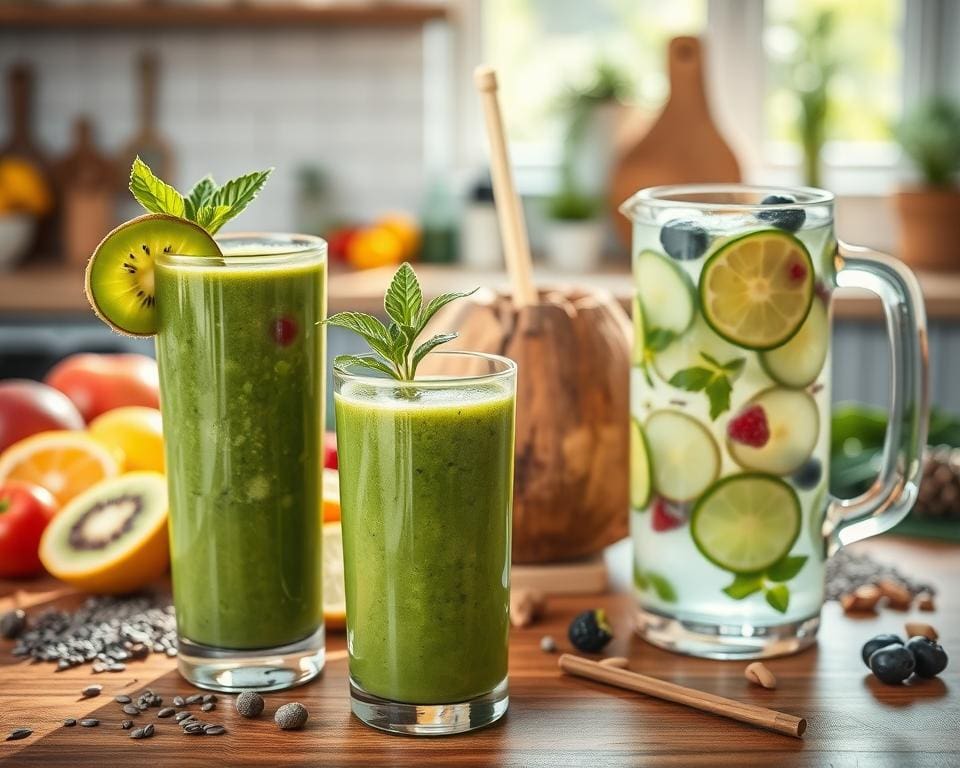

This short guide reviews which drinks fit a healthy lifestyle for readers across the United Kingdom. It takes a product-review approach, looking at water, tea, coffee, fruit drinks, functional beverages and alcohol alternatives. The aim is to offer evidence-informed recommendations that align with NHS guidance and practical UK climate needs.
Think of these suggestions as a mindful drink routine rather than strict rules. Small swaps — like choosing Yorkshire Tea or Twinings over sugary canned drinks, or favouring water and herbal infusions from Belvoir or Innocent when appropriate — can support both mental and physical wellbeing.
The article that follows covers hydration basics, tea and herbal infusions, coffee, low-sugar fruit drinks, functional beverages and supplements, alcohol moderation, and practical shopping and preparation tips. Expect product and recipe ideas, label-reading tips, and clear signals on when to seek professional guidance.
Throughout, we draw on sources such as the NHS, Department of Health reviews, scientific literature on hydration and caffeine, consumer reporting from Which? and market data on Nespresso, Costa and other UK brands. The goal is to help you build a mindful drink routine that makes healthy drink choices UK-friendly, simple and enjoyable.
What defines a mindful everyday routine?
A mindful everyday routine is a set of intentional actions you repeat each day to support health, reduce stress and sharpen focus. Small rituals, consistent hydration and thoughtful food and drink choices form the backbone of this habit. When you plan with purpose, your days feel steadier and your energy more even.
Mindfulness principles applied to drink choices
Intention asks you to pick beverages that meet clear needs: hydration, calm or a gentle lift. Awareness invites you to notice true thirst versus an emotional urge to sip. Non-judgement lets you value small improvements without rigid rules.
Ritual uses sensory cues — a favourite mug, a measured cup, warm steam — to slow the act of drinking. These simple moves shift automatic pouring into mindful drinking and make choices feel meaningful.
How routine beverages influence mental and physical wellbeing
Hydration plays a direct role in attention, mood and physical performance. Even slight dehydration can make concentration harder and low-level fatigue more likely.
Caffeine from coffee and tea can boost alertness and mood when timed well. Excess caffeine may hamper sleep and raise anxiety, so balance matters for drink choices and wellbeing.
Sugary drinks add empty calories and cause blood sugar swings. Frequent consumption may affect dental health and energy stability. Alcohol affects sleep quality, mood and long-term health in a dose-dependent way.
Practical steps to include mindful sipping in daily life
- Set cues: try a glass of water on waking and a tea break in the afternoon to create pause and structure.
- Measure it: use a reusable water bottle or 250–350 ml cups to track intake without fuss.
- Swap slowly: replace one high-sugar or high-alcohol drink per week with a lower-impact option and build from there.
- Design rituals: brew loose-leaf tea, pause to inhale the aroma, hold the cup with both hands and savour one mindful sip before returning to tasks.
- Use evidence: follow NHS guidance on hydration and British Nutrition Foundation advice on sugar while leaning on mindfulness research that links rituals to reduced stress.
Hydration basics: why water is central to health
Water powers every cell. It helps regulate body temperature, supports digestion and nutrient transport, cushions joints and keeps thinking sharp. Good hydration forms the backbone of daily wellbeing and makes other healthy habits more effective.
The following points clarify practical needs and simple ways to drink more without fuss. Use these tips to set achievable targets and enjoy better energy, focus and comfort.
How much water do adults typically need in the UK climate?
NHS guidance and Public Health England commonly suggest about 6–8 glasses a day, roughly 1.2–2 litres for most adults. This is a general range; actual needs vary with body size, activity level, pregnancy, breastfeeding, medication and weather.
Bear in mind that around 20–30% of daily fluids come from food such as fruit, vegetables and soups. Higher requirements appear during hot spells, exercise or illness like fever, vomiting and diarrhoea.
Tips for improving water intake throughout the day
Keep a reusable bottle of 750 ml or 1 litre in sight and set a clear goal, for example finish it by lunchtime then refill. Visible targets make water intake UK feel manageable rather than vague.
Try habit stacking: drink on waking, before meals, and after each bathroom break. Small routines add up quickly and create steady fluid habits.
- Use phone alarms or simple apps for discreet reminders.
- Choose cold or warm drinks by preference; unsweetened herbal teas count towards fluid needs.
- Measure progress with marked bottles or a quick tally at the end of each hour.
Flavoured and infused waters: benefits and pitfalls
Adding slices of lemon, cucumber, mint or berries makes plain water more appealing and boosts intake. Homemade infused water offers infused water benefits without added sugar.
Be cautious with some commercial flavoured waters. Certain bottled products and Robinsons squash contain added sugars or sweeteners. Read nutrition labels for kilojoule and calorie content, plus any additives.
Sparkling water hydrates as well as still water but can worsen reflux in people with sensitivity. In UK supermarkets you can find no-added-sugar options from Buxton Sparkling and Highland Spring ranges that balance taste with low calories.
Tea and herbal infusions: tradition meets wellbeing
Tea sits at the heart of British beverage culture. A mindful cup can bring comfort, focus and small health gains when taken without excess sugar or heavy creams. This section explores Tea wellbeing UK through popular brews, herbal infusions benefits and simple ritual that turn a drink into a moment of calm.
Popular UK teas remain familiar and accessible. Black blends such as PG Tips, Yorkshire Tea and Twinings English Breakfast supply theaflavins, a group of antioxidants linked with heart health. These teas have modest caffeine, useful for alertness without overstimulation.
Green tea appears in many supermarket ranges and from Twinings or Tetley. It contains catechins like EGCG that have been associated with cardiovascular support and mild metabolic effects. Oolong and white teas are less common, yet they offer delicate flavours and their own polyphenol profiles.
Herbal infusions for relaxation, digestion and focus can offer caffeine‑free alternatives. Chamomile is widely used for sleep support and offers light sedative effects. Peppermint helps relieve bloating and can refresh the mind. Rooibos provides antioxidants and suits evening drinking.
Lemon balm and lavender are traditional choices for calm. Valerian may aid sleep but should be avoided with sedative medicines. Trusted brands such as Pukka, Clipper and Twinings make herbal blends that highlight the documented herbal infusions benefits while meeting modern taste preferences.
Preparing tea mindfully elevates a daily habit into a small ritual. Temperature and steep time matter when you learn how to brew tea correctly. For black tea, use near‑boiling water (95–100°C) and steep 3–5 minutes to avoid bitterness. Add milk if you wish and mind portion size.
For green tea, lower the water to 70–80°C and steep 1–3 minutes to preserve delicate notes. Herbal infusions often gain depth with longer steeps of 5–10 minutes. Loose‑leaf tea rewards attention: weigh about 2–3 g per cup, inhale the aroma, then sit and sip slowly.
- Avoid adding sugar to protect both flavour and health.
- Check interactions: caffeine can affect some medicines and certain herbs may be unsuitable in pregnancy.
- Choose quality loose leaves where possible for better taste and a clearer ritual.
Coffee: balancing enjoyment and health
Coffee is a daily ritual for many in the UK. It brings alertness, warmth and a moment of calm. Awareness of dose and timing helps you enjoy the flavour while protecting sleep and wellbeing.
Health benefits and potential downsides of regular coffee
Observational studies link moderate intake—about three to four cups a day—with lower risk of type 2 diabetes, Parkinson’s disease and some liver conditions. Many people notice improved focus and cognitive performance after a morning cup.
Excessive caffeine can cause jitteriness, raised heart rate, sleep disruption and anxiety in sensitive people. Pregnant women are advised to limit intake to around 200 mg caffeine per day, roughly two small cups. Cup size varies across Costa, Starbucks and Greggs, and home espresso can be much stronger.
Best practices for healthier coffee consumption
- Time drinks away from late afternoon and evening to protect sleep.
- Limit sugar, flavoured syrups and whipped cream to reduce extra calories.
- Prefer black coffee or a small splash of milk; use espresso shots to control strength.
- Choose decaffeinated coffee for late-day cups to avoid sleep disruption.
Lower-calorie and plant-based milk alternatives for coffee
Oat, soya, almond and pea milks are common in UK supermarkets and cafés. Oatly and Alpro oat milks froth well and suit lattes. Soya delivers more protein, while almond often has fewer calories and a thinner texture.
Watch for added sugars in flavoured plant milks and pick unsweetened varieties where possible. Semi-skimmed dairy milk stays a practical lower-fat option with natural protein and calcium. If you enjoy milk-based drinks, barista-style plant-based milks give creamier texture and better foam for cappuccinos.
Adopting healthy coffee habits—monitoring caffeine UK guidelines, choosing milks wisely and minding additions—lets you savour flavour and reap coffee health benefits without unnecessary risks.
Low-sugar and natural fruit drinks: what to choose
Choosing fruit-based drinks for a healthier routine means weighing nutrition against convenience. Whole fruit gives fibre, slows sugar absorption and helps you feel full. Juice and smoothies can be useful, yet portion size and ingredients decide whether they stay a smart choice.
Understanding the trade-offs between options helps you make calm, confident choices.
Understanding fruit juice, smoothies and whole fruit trade-offs
Whole fruit is best for satiety and dental health. It offers intact fibre that tempers blood sugar spikes. The NHS advises limiting fruit juice and smoothies to a small glass (150 ml) a day as part of your five-a-day because they count as free sugars.
Smoothies can retain fibre when made from whole fruit and vegetables. A large serving can equal several portions of sugar and calories. Popular UK brands such as Innocent smoothies and Tropicana juices, plus supermarket own-brand options, can be nutritious if you check serving sizes.
How to spot added sugars and sweeteners on labels
Read the nutrition table for sugars (g) and per-portion kilojoules or calories. The ingredients list shows added sugars under names like sucrose, glucose-fructose syrup, cane sugar, honey and fruit concentrates. Look at “no added sugar” claims and verify the natural sugar content.
Watch for sweeteners such as aspartame, sucralose and stevia. Personal preference and medical advice should guide your choice. Front-of-pack labelling and the traffic-light system from Public Health England help with quick comparisons when shopping.
Recipe ideas for low-sugar, nutrient-rich fruit drinks
- Green smoothie: small apple, handful of spinach, half a banana, unsweetened plant milk or water. Blend and serve a modest portion of about 200–250 ml.
- Fruit-and-veg juice alternative: carrot, cucumber, lemon and a small apple. Juice, then dilute with water and serve in a 150 ml portion to respect NHS guidance.
- Infused iced tea: brew tea, mash a few berries and add a sprig of mint for flavour without added sugar.
- Protein boost: add Greek yoghurt or silken tofu to smoothies to increase protein and improve satiety.
These healthy fruit drink recipes balance taste with nutrition. Keep portions reasonable and read labels carefully when choosing ready-made options. That way you enjoy fruit-based drinks without the hidden sugars that undermine a mindful routine.
Functional drinks and supplements: do they fit a mindful routine?
Functional drinks promise targeted effects by adding vitamins, minerals, probiotics, electrolytes, adaptogens or protein. Many people in the UK reach for these bottles with the hope of better energy, recovery or gut health. A mindful routine weighs real need against marketing, cost and dietary balance.
Popular options on supermarket and high-street shelves
Well-known products include Yakult and Actimel for probiotics, Lucozade Sport and High5 for electrolytes, and ready-to-drink shakes from Grenade and MyProtein for post-workout recovery. Holland & Barrett and Ocado stock adaptogen blends and kombucha from brands such as Remedy Kombucha and Natural Power. Vitamin waters and coconut varieties like Vita Coco appear in many chilled aisles.
What the evidence actually supports
Some probiotic strains show benefit for specific gut issues. Yakult contains Lactobacillus casei Shirota, which has strain-specific studies suggesting modest gastrointestinal improvements. Electrolyte drinks help during prolonged, intense exercise or heavy sweating, but they are unnecessary for light daily activity and can carry high sugar.
Vitamins in bottled drinks often supply a small portion of the recommended daily intake. A balanced, whole-food diet tends to meet most needs without packaged products. Adaptogens such as ashwagandha and ginseng have limited and variable clinical evidence, so many marketing claims remain preliminary. Readers should look for independent reviews and peer-reviewed studies when judging any label.
Practical guidance on when to use them
Consider functional drinks as occasional tools rather than daily essentials. Use electrolyte or recovery drinks around intense training sessions. Try probiotic drinks for short-term support while consulting sources of evidence functional beverages to check strain and dose.
When to seek professional advice
Speak with a GP or dietitian if you are pregnant, breastfeeding, taking prescription medicines such as anticoagulants, or living with a chronic condition. Ask a clinician before starting high-dose vitamin or mineral drinks. For persistent gastrointestinal problems, request a GP or dietitian referral rather than relying on probiotic drinks alone.
Sports and performance considerations
If you plan to use functional drinks for sport, seek advice from accredited sports nutrition professionals, the British Dietetic Association or UK Sport advisors. They can explain when to take drink supplements for training, competition and recovery, and how to match intake to sweat losses and energy needs.
Final practical checklist
- Read ingredient lists and check sugar content.
- Match the product to a clear need: recovery, hydration or a clinician-recommended supplement.
- Check strain-specific research for probiotics and look for independent evidence functional beverages claims.
- Consult a healthcare professional about when to take drink supplements if you have health conditions or take medications.
Alcohol and mindful moderation
Alcohol can sit comfortably within a mindful everyday routine when you understand its social role and the health trade-offs. This short guide sets out clear, practical steps to follow the alcohol mindful moderation UK approach without moralising abstinence. The aim is reduction, balance and better wellbeing.
Guidelines for low-risk drinking in the UK
The UK Chief Medical Officers advise that adults of both sexes should not regularly drink more than 14 units per week. Spread those units across at least three days and include several alcohol-free days each week.
A unit equals 10 ml (8 g) of pure alcohol. Rough guides: a typical pint of 4% beer is about 2.3 units, a 175 ml glass of 12% wine is roughly 2.1 units, and a single 25 ml spirit shot at 40% is 1 unit. Keep these measures in mind when following low-risk drinking guidelines.
Short-term harm can include poorer sleep and impaired judgement. Long-term risks range from weight gain and liver disease to higher cancer risk and effects on mental health.
Healthier choices for social occasions and alternatives
Choose low-alcohol and alcohol-free beers and wines to enjoy flavour without the same risks. Options on the UK market include BrewDog Nanny State, Big Drop brews, and alcohol-free wines from Thomson & Scott. Non-alcoholic spirits such as Seedlip and Lyre’s offer complex, cocktail-friendly bases.
Use soda water and fresh citrus as lower-calorie mixers. Offer alcohol-free beers and wines at gatherings to normalise reduced drinking. Taste and variety in alcohol alternatives improve year on year as the market matures.
- Mocktail idea: soda water, fresh lime, bruised mint and a splash of elderflower cordial.
- Swap idea: replace one evening drink with an alcohol-free beer or Seedlip serve.
- Serving tip: pour into smaller glasses to reduce volume without losing ritual.
Strategies for reducing alcohol intake without feeling deprived
Plan several alcohol-free days and set simple weekly unit goals. Use the “swap and save” tactic to substitute one drink with an appealing alcohol-free alternative. Track progress in an app or a short journal to note changes in sleep, mood and energy.
Social tactics work well. Alternate alcoholic and non-alcoholic drinks, pre-arrange safe transport to ease pressure and suggest daytime meet-ups like brunch or a walk. These moves change habits while keeping sociability intact.
If cutting down feels hard, seek peer support. Alcohol Change UK and local services provide practical help and community options that support gradual change.
Practical shopping and preparation tips for a healthier drink routine
Start shopping with a clear list and an eye for labels. Read sugar (g) and calories (kcal) per portion and scan ingredient lists for added sugars, artificial sweeteners or extra additives. When you buy healthy drinks UK, favour whole-food bases: unsweetened oat or almond milk, plain natural yoghurt for smoothies, whole-leaf teas and single-origin coffee beans where possible.
Choose versatile staples that stretch your budget and options. Large bottles of sparkling water, loose-leaf teas and bags of frozen fruit let you prepare healthy beverages at home and reduce reliance on store-bought healthy beverages that often hide sugars. Compare supermarket own brands with national names at Tesco, Sainsbury’s and Waitrose for better value and “no added sugar” options.
Prepare smart to avoid impulse buys. Batch-prep infused waters, iced teas and portion-controlled smoothies and freeze single portions for quick use. Invest in basic kit: a kettle with temperature settings, a grinder or press for coffee, a good blender and insulated bottles to keep drinks at the right temperature. Use smaller glasses to slow consumption and savour flavours.
Think sustainability and social ease. Carry a refillable bottle, buy loose-leaf tea in minimal packaging and choose recyclable cartons. For gatherings, pre-mix low-sugar mocktails and label choices so guests can pick alcohol-free options. Keep a simple checklist: reusable bottle, unsweetened bases, one treat beverage limit, planned alcohol-free days and habit of checking labels for hidden sugars.