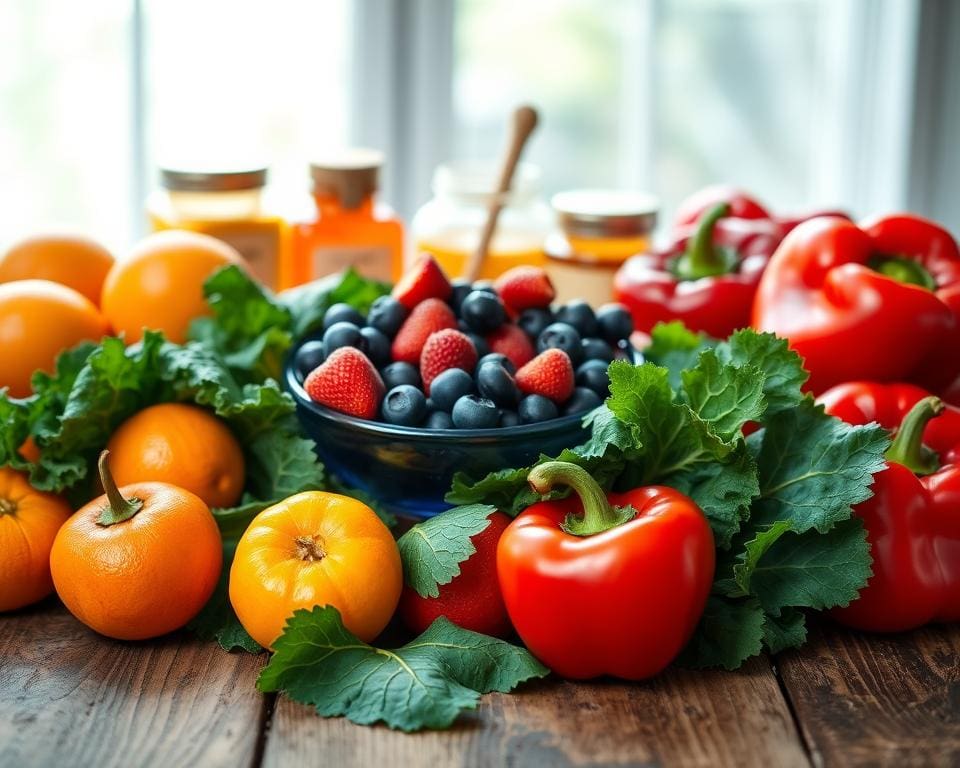

This short guide blends evidence and practicality to show which foods strengthen the immune system and how they fit into everyday life in the UK. It focuses on immune-boosting foods and vitamin-rich foods, while also asking the broader question: how do you live at your own pace? The aim is to review the best foods for immune system support alongside simple habits that reduce stress and sustain long-term UK immune health.
Authoritative UK sources such as the NHS and the British Nutrition Foundation agree that no single item prevents infection. Instead, a varied diet rich in vitamin C, vitamin D, zinc, quality protein and antioxidants supports resilience. Peer-reviewed reviews in journals like Nutrients and BMJ link deficiencies in vitamin D, zinc and protein malnutrition with weaker immune responses, while adequate intake is associated with better outcomes.
The practical context matters. In the UK many people face seasonal shortfalls in vitamin D through autumn and winter, and socioeconomic factors affect access to nutritious options. Public-health advice already highlights vitamin D supplements for particular groups and the value of a balanced diet. This article will evaluate nutrient-rich foods (Section 2), explore the pace-of-life approach to eating and stress (Section 3), suggest pantry staples and simple recipes (Section 4), assess supplements and fortified choices (Section 5), and end with lifestyle habits that enhance the impact of foods that strengthen immunity.
The tone is practical and inspirational. Using a product-review lens, the piece will assess foods, kitchen staples and supplements for effectiveness, affordability and suitability in UK life, helping you choose the best foods for immune system support while learning to live at your own pace.
Key nutrient-rich foods that support immunity
Building a resilient immune system starts with everyday choices at the supermarket and market. This brief guide highlights the nutrients that matter, the roles they play in immune cell production, antioxidant defence and tissue recovery, and the best UK sources you can buy now. Aim for variety, colour and simple swaps to make nutrient-rich eating practical and affordable.
Vitamin C-rich options
Vitamin C helps white blood cells work well and keeps the skin barrier strong. Find it in oranges, clementines, kiwifruit, strawberries, raspberries, blackcurrants, red and yellow peppers, broccoli and Brussels sprouts.
Whole foods are best for steady intake. Cooking lowers vitamin C, so choose raw salads, smoothies or lightly steamed veg to retain more of this nutrient.
Buy seasonally to save money: berries in summer, citrus in winter. Frozen berries and supermarket own-brand peppers give vitamin C foods at a lower price and long shelf life.
Vitamin D sources
Vitamin D helps regulate immune responses and many people in the UK have low levels, especially from October through March. Oily fish such as salmon, mackerel and sardines are rich natural sources.
Egg yolks, fortified milks, plant milks, breakfast cereals and some margarines add practical options. These vitamin D sources UK are easy to include at breakfast and in simple meals.
Follow sensible sun exposure advice from NHS guidance when weather allows. Many people need supplements; see the later section for safe guidance on supplementation.
Zinc-containing foods
Zinc supports immune cell development and wound healing. Top choices in UK shops include oysters and shellfish, red meat and poultry, plus beans, lentils, chickpeas and seeds such as pumpkin and sesame.
Animal zinc is absorbed better than plant forms. Pair plant-based zinc with vitamin C, soak or sprout legumes and use fermentation to boost uptake of zinc-rich foods.
Budget-friendly picks include tinned beans, seed mixes and frozen edamame or shellfish deals from major supermarkets.
Protein and amino acids
Protein provides the building blocks for antibodies and immune cells. Aim for complete proteins that supply essential amino acids every day.
Lean meats like chicken and turkey, eggs and dairy are reliable sources. Plant-based alternatives such as tofu, tempeh, lentils and quinoa suit vegetarians and vegans while still delivering immune-supporting protein.
Practical swaps include canned tuna, Greek yoghurt and mixed pulses for soups and stews to hit protein needs without fuss.
Antioxidant powerhouses
Antioxidants — polyphenols, flavonoids and carotenoids — lower oxidative stress that can hamper immune function. Colourful produce is key: spinach, kale, red cabbage, carrots, sweet potato and tomatoes rank highly.
Berries for immunity include blueberries, blackberries and red grapes. Herbs and spices such as turmeric, ginger and garlic add extra antioxidant punch.
Vary colours on the plate each day. Frozen vegetables and berries are often as nutritious as fresh and help keep antioxidant vegetables affordable and ready to use.
How do you live at your own pace?
Living at your own pace is an attainable way of life that pairs steady routines with nourishing food, rest and kinder habits. Think of it as building a gentle rhythm that helps the body and mind recover, so immune-supporting meals work better. Small, realistic shifts make this approach sustainable for busy households across the UK.
Connecting balanced eating with a steady lifestyle
Long-term stress raises cortisol and weakens defence systems, so regular meals matter beyond fullness. Research in psychoneuroendocrinology links chronic stress with suppressed immune responses, showing that stabilising blood sugar and energy lowers physiological strain.
Practical steps suit everyday life in the UK. Eat at similar times each day, favour whole foods over highly processed options and visit farmers’ markets or local allotments to choose seasonal produce. These choices reduce inflammation and help you embrace slow living UK in small, meaningful ways.
Start with one balanced meal daily if change feels daunting. One dependable plate can build momentum and create space for more mindful routines without feeling overwhelming.
Simple meal planning to reduce stress and support immune health
Meal planning eases daily decisions. Make weekly shopping lists organised by nutrients highlighted earlier: vitamin C, vitamin D sources, zinc and lean protein. Batch-cook soups, stews and grain bowls, then freeze portions for busy days.
Choose time-saving products that align with NHS guidance, such as frozen vegetables and canned pulses from major supermarkets. Own-brand options often cut costs while keeping nutrition high, making meal planning for health affordable for families and those on tight budgets.
Ritualise mealtimes as part of a slower routine. A set lunch or evening meal reduces rushed eating, improves digestion and helps you reduce stress for immunity through steadier eating patterns.
Mindful eating practices that complement immune-boosting foods
Mindful eating lowers stress and improves nutrient absorption. Try eating without screens, savouring flavours and chewing slowly. Brief breathing before a meal calms the nervous system and aids digestion.
Small prompts work well in daily life. Take a short walk before or after meals, make a proper tea-time pause, and pick seasonal fruit and vegetables to heighten senses. These habits support mindful eating and make food more enjoyable.
Alongside better nutrition, these practices boost mental health and make it easier to keep an immune-supportive diet long term. Embracing slow living UK and meal planning for health helps you live at your own pace while protecting wellbeing.
Everyday pantry staples and easy recipes for immune support
Keep your kitchen ready for good health with a simple, practical pantry. The right items save time and help you build meals that support immunity without costing a fortune. Below are accessible choices and quick ideas to turn basics into nourishing dishes.
Stocking a UK kitchen:
- Tinned tomatoes, tinned oily fish such as sardines and mackerel, canned beans and lentils, brown rice and wholewheat pasta form the backbone of many meals.
- Oats, frozen mixed veg and berries, nuts and seeds (pumpkin, sunflower) add fibre, minerals and healthy fats.
- Garlic, onions, ginger and turmeric boost flavour and bring immune-friendly compounds.
- Look for shelf-stable fortified plant milks and breakfast cereals to add vitamin D and calcium.
- Choose affordable healthy staples from Tesco, Sainsbury’s, Waitrose value ranges, Aldi and Lidl for reliable quality at low cost.
- Store by date and rotate tins and frozen packs so nutrients stay fresh and waste is cut.
Quick breakfasts and smoothies:
- Porridge made with fortified plant milk, topped with frozen berries and pumpkin seeds gives zinc, vitamin C and fibre in minutes.
- Greek yoghurt with mixed berries, honey and walnuts is high in protein and easy to assemble.
- Smoothies combining spinach, banana, frozen berries, fortified plant milk and a spoonful of nut butter offer a fast, nutrient-dense start.
- Use ready-to-eat oats or overnight oats to save morning time. Prep freezer smoothie packs with measured fruit and greens for grab-and-blend ease.
- Try Alpro or Oatly fortified varieties for added vitamin D, especially through darker months.
Comforting soups and one-pot meals:
- Chicken and vegetable soup with garlic and turmeric warms the body and supplies vitamin A, C and protein.
- Lentil and vegetable stew gives iron, fibre and plant protein, and adapts easily for vegans by using vegetable stock.
- Fish chowder with salmon and mixed veg brings omega-3s and vitamin D in a filling, batch-cookable form.
- Chickpea and spinach curry packs fibre, zinc and vitamin C when tomatoes and spices are included.
- Slow cookers and instant pots stretch ingredients further and yield freezer-ready portions for low-effort meals all week.
Each recipe idea links to nutrient highlights that matter for immune health. Use these immune-boosting pantry staples UK to build variety, rely on quick immune breakfasts for busy days, try smoothie recipes for immunity when you need speed, and batch-cook immune-support soups to keep wholesome meals on hand.
Supplements, fortified foods and when to consider them
Choosing supplements and fortified foods can top up a balanced diet. This short guide reviews evidence, availability in the UK and basic safety to help you decide when a vitamin D supplement UK, vitamin C supplements guidance or zinc supplements might be useful.
Vitamin D is recommended by NHS guidance for many people, particularly in autumn and winter, at around 10 micrograms (400 IU) daily. Older adults, people with darker skin and pregnant women may need personalised advice from a GP or pharmacist. Trials show possible modest immune benefits, but high-dose vitamin D is not a proven prevention for infections.
Vitamin C is abundant in fruit and veg. For well-nourished people, routine supplements give little protection from catching colds, though they may slightly shorten symptoms when taken early. Whole-food sources remain preferable. Follow vitamin C supplements guidance on dosages and upper limits to stay within safe intakes.
Zinc taken at the first sign of a cold can reduce symptom length in some studies. Short courses are generally safe. Long-term high-dose zinc risks copper deficiency and drug interactions, so review any prolonged use with a clinician.
Common UK retailers such as Holland & Barrett, Boots, Tesco and Natures Best stock reputable formulations. Look for vitamin D3 rather than D2 for better absorption, and compare zinc gluconate with zinc citrate for tolerability. Product labels show strength per dose and number of days supplied.
Fortified foods UK include milks and dairy alternatives, many breakfast cereals, some margarines and fortified breads. Fortification helps plug gaps for vitamin D and certain B vitamins, especially in diets low in animal products. Choose fortified items as part of varied meals rather than as substitutes for whole foods.
- Read labels for nutrient amounts per serving and watch for added sugar or salt.
- Prefer brands known for fortification, such as Alpro fortified milks and selected Kellogg’s cereals.
- Consider serving size so the stated nutrient actually meets your needs.
Supplement safety UK guidance urges care with doses and interactions. Follow UK/EU tolerable upper intake levels and avoid unnecessary high-dose supplements. Check interactions between supplements and medicines, for example antibiotics that can interact with zinc.
Vulnerable groups — pregnant or breastfeeding women, older adults, people with chronic illness or on multiple medicines — should consult the NHS, a GP or a pharmacist before starting supplements. Pharmacists can advise on supplement safety and suitable over-the-counter options.
Practical tips: pick products with third-party quality marks, store supplements out of children’s reach and keep to recommended courses. Use fortified foods and supplements to complement a varied diet and to address specific gaps revealed by diet or clinical advice.
Lifestyle habits that enhance the effect of immune-boosting foods
Good sleep and immunity go hand in hand. Most adults benefit from 7–9 hours a night; this supports immune cell activity and improves vaccine responses. Keep a steady bedtime, limit late-night screens and make your bedroom calm and dark to help the circadian rhythm settle.
Regular movement complements diet and aids immune resilience. Moderate activities such as brisk walking, cycling or community sports raise immune surveillance and lower inflammation. Aim for steady, achievable sessions rather than intense training every day, which can temporarily suppress defences—this is exercise for immune health done sensibly.
Hydration and immunity are closely linked. Water, herbal teas and hydrating foods help mucous membranes and circulation of immune cells. Gut health and immunity are also vital: eat plenty of fibre, fermented foods such as live yoghurt or sauerkraut, and prebiotic-rich items like onions, garlic and oats to nourish beneficial microbiota.
Chronic stress weakens the immune response, so adopt stress reduction strategies UK readers can use daily. Simple practices—five minutes of mindful breathing, short green walks, reducing digital overload and fostering social contact—lower cortisol and support immunity. Try a weekly micro-plan: add one extra veg portion a day, take two short walks, and do a five-minute breathing exercise before a meal. Combining thoughtful food choices, modest supplements when needed and steady, slow-living habits builds a resilient, enjoyable path to better immune health and wellbeing.