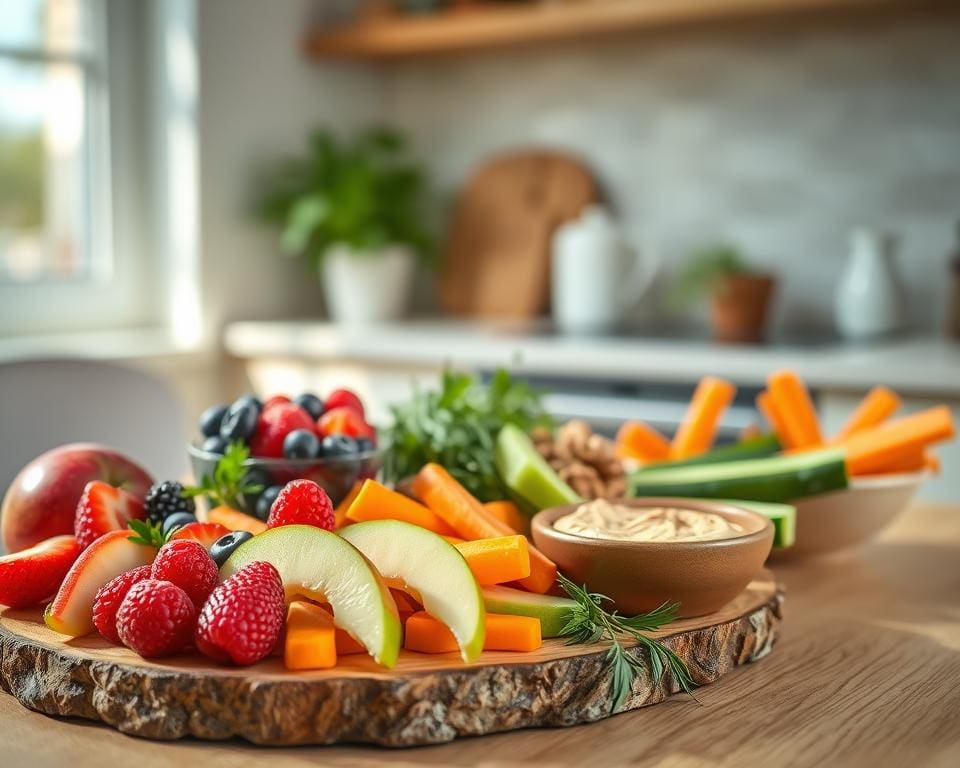

Between-meal snacks are small portions eaten between breakfast, lunch and dinner to bridge hunger, steady energy and help avoid overeating at the next meal. Typical moments for snacks between meals are mid-morning, mid-afternoon or immediately after work, when many of us ask: what helps you unwind after work?
This article looks at healthy between-meal snacks that meet two aims. First, they offer clear nutritional value — enough protein, fibre and healthy fats, with low added sugar and moderate salt. Second, they are practical and pleasurable: flavours and textures that soothe after a busy day and fit a UK lifestyle.
Availability matters, so recommendations reference items you can find in Tesco, Sainsbury’s, Waitrose, Asda and Marks & Spencer. Think of familiar tea-time patterns and easy swaps that turn classic treats into nutritious snacks without losing enjoyment.
We will cover why choosing healthy snacks between meals matters for wellbeing, options to help you unwind after work, top protein, carbohydrate and fat-based choices, convenient store-bought healthy snacks UK shoppers can trust, and simple snack planning for different goals. Each pick is assessed for taste, convenience, nutrition and value for money to help you choose nutritious snacks that suit daily life.
Why choosing healthy between-meal snacks matters for wellbeing
Picking the right between-meal bite can lift your day. Smart choices keep energy steady, ease mood swings and build habits that protect long-term health. Small changes, like swapping a biscuit for a portion of protein and fibre, create lasting healthy snacking benefits.
Balanced snacks that combine protein, fibre and unsaturated fats help avoid the mid-afternoon slump. Protein slows digestion and supports alertness. Fibre from fruit, vegetables and wholegrains slows glucose absorption. Healthy fats from nuts or avocado provide sustained energy. This snack impact on energy makes a practical difference at work and home.
The sensory pleasure of comforting flavours can lift spirits. Tasting, savouring texture and focusing on a small portion turns mood and snacks into a mindful ritual. Mindful snacking helps the brain shift from stress to calm without overeating.
Snacks high in refined sugar create repeated blood glucose spikes. Those spikes raise insulin demand and can increase the risk of weight gain and metabolic conditions over time. Choosing low glycaemic options such as wholegrain crackers, fruit with yoghurt or a handful of almonds supports blood sugar control snacks and reduces long-term risk.
Unsaturated fats in nuts, seeds and olive oil support heart health. Soluble fibre helps regulate cholesterol and keeps digestion regular. Salt matters too; limiting high-sodium processed snacks helps protect blood pressure and overall wellbeing.
Portion size shapes satiety and calorie intake. A small handful of nuts (about 30g), one medium apple, 150g Greek yoghurt or a single boiled egg make sensible examples. Clear portion rules help avoid unintended excess while keeping hunger at bay.
Pre-portioning into small containers or snack pots is a practical strategy. Avoid eating straight from large tubs or packets. Pairing a snack with water or herbal tea and stepping away from screens helps you sense true hunger. Pause for 10–20 minutes before reaching for more and you will notice improved portion size and satiety control.
What helps you unwind after work?
After a busy day it helps to slow the pace with small rituals and nourishing bites. A gentle snack can act as a bridge between tasks and rest, offering comfort without derailing sleep. Try choosing flavours and textures that soothe the senses while giving your body the nutrients it needs to relax.
Comforting flavours that still nourish
Warm spices such as cinnamon or nutmeg feel homely and pair well with creamy textures. Think warm apple with cinnamon and natural yoghurt, or oat porridge topped with sliced banana and a drizzle of honey.
For savoury comfort, mild cheeses and hummus give a cosy mouthfeel without heavy processing. Pair wholegrain crackers with cottage cheese or a spinach-based dip for a balance of taste and nutrients.
Choose calming drinks to complement these snacks. Chamomile tea, peppermint tea or decaffeinated green tea soothe the throat and mind. Avoid caffeine late in the afternoon to protect night-time sleep.
Snacks that support relaxation: magnesium, tryptophan and complex carbs
Magnesium helps muscle relaxation and supports the nervous system. Good magnesium snacks include almonds, pumpkin seeds and spinach dips. A small square of dark chocolate (70% cocoa or more, about 20–30g) can work as a mindful treat in line with NHS guidance on balance.
Tryptophan is a building block for serotonin and melatonin. Tryptophan foods such as turkey slices, eggs and dairy like Greek yoghurt or cottage cheese fit well into evening snacks. Oats bring both tryptophan and gentle sweetness to the mix.
Complex carbohydrates help the brain absorb tryptophan more effectively. Choose wholegrain crackers, rye bread or oats to steady blood sugar and support calm. Combine a protein source with a carb for best effect.
Quick routines: pairing a snack with a short ritual to shift from work to rest
Small post-work rituals create a clear boundary between work and home life. Change into comfortable clothes, play a favourite five-minute playlist, or step outside for a ten-minute walk before you sit down to eat.
When you take your snack, make the act intentional. Sit in a favourite chair away from screens, light a candle or brew a soothing tea. These simple actions reinforce the feeling of transition.
Aim to have a small post-work snack about 30–60 minutes after finishing work. This timing helps stabilise appetite before dinner and reduces the chance of overeating later. Use these post-work rituals and relaxation snacks as cues to unwind gently and consistently.
Top protein-rich snacks to curb hunger between meals
Short, satisfying snacks that pack protein keep energy steady and stop mid-afternoon cravings. Pick options you can prepare in minutes or buy from UK supermarkets for convenience and quality.
Greek yoghurt and cottage cheese options
FAGE Total Greek yoghurt and Yeo Valley Greek-style natural yoghurt are widely available choices that deliver around 10g of protein per 150g pot. Arla and Galbani cottage cheese typically provide about 11–13g per 100g, giving a creamy, protein-dense base for snacks.
To boost flavour and nutrients, stir in fresh berries, a tablespoon of chia seeds, a sprinkle of porridge oats or a small spoonful of natural nut butter. Warmed apples with cinnamon served alongside Greek yoghurt make a comforting snack on cooler days. Choose 0% or full-fat options according to calorie goals and check labels for live cultures if you want probiotic benefits.
Lean deli slices, boiled eggs and hummus dip ideas
Sliced turkey or chicken breast from Marks & Spencer or supermarket own-brands gives lean protein with minimal prep. Tinned tuna in spring water and cold-smoked salmon offer variety and omega-3s for heart health.
Boiled eggs are portable and inexpensive. Two small or medium eggs make a simple, filling snack rich in high-quality protein and B vitamins.
Hummus snacks pair well with vegetable sticks or wholegrain crackers. Try Tesco Mature or Sainsbury’s Taste the Difference hummus, or boost classic blends by folding in extra tinned chickpeas or a spoonful of Greek yoghurt for more protein. Meridian nut butters can accompany hummus for a protein-fat combo that keeps you full longer.
Portable protein bites and homemade energy balls
Homemade energy balls mix oats, peanut or almond butter, protein powder (whey or plant-based), honey and seeds for compact, tasty portions. One to two balls (~40g each) works well as a single snack. Brands such as Graze, Nakd and Myprotein sell ready-to-eat options if you need store-bought convenience; check labels for sugar and protein per serving.
Store homemade bites in the fridge for up to one week and pack them in a small Tupperware for commuting. Keep portion sizes in mind because energy balls UK and similar treats can be calorie-dense despite being protein-packed.
Healthy carbohydrate choices for steady energy
Choosing the right carbs keeps energy even and hunger at bay. Pick items that blend fibre and slow-release starch for steady fuel between meals. Below are practical, tasty options that work well for busy days and low-key evenings.
Wholegrain crackers UK shoppers often pick include Ryvita Rykrisp, Jacob’s Whole Grain crackers and Marks & Spencer seed crackers. These offer wholegrain fibre that helps you feel fuller for longer and supports steady blood sugar.
Oats snacks are ideal for breakfast or a mid-afternoon pick-me-up. Try overnight oats with rolled oats, milk or oat milk and a handful of seeds or fruit. Quaker instant porridge pots or supermarket own-brand porridge give a quick option; choose lower-sugar varieties to avoid spikes.
Brown rice cakes make a light base that pairs well with protein or healthy fats. Top with cottage cheese, peanut butter or mashed avocado to prevent a rapid hunger rebound and keep energy steady.
Fruit-based snacks with fibre: apples, berries and pears
Whole fruit beats juice when you need fruit snacks high fibre. A medium apple or pear gives about three to five grams of fibre. Mixed berries are rich in fibre and antioxidants and taste great with yoghurt.
Try an apple with almond butter, berries folded into Greek yoghurt, or a baked pear with a drizzle of honey and cinnamon. Pick British apples, pears, raspberries or strawberries in season for the freshest flavour and best value.
Vegetable sticks with nutrient-rich dips
Veg sticks and dips make a crunchy, low-calorie snack that fills you up without excess calories. Carrots, celery, cucumber, bell pepper and radishes are all excellent choices.
Pair them with hummus, tzatziki, bean dips or guacamole for added protein and healthy fats. Look for Sabra-style hummus ranges in UK supermarkets, Tesco’s tzatziki or fresh guacamole tubs at Waitrose and Sainsbury’s. Add a cheese cube or a hard-boiled egg to balance the snack and prolong fullness.
Smart fat-based snacks that keep you satisfied
Choosing the right fat-based snacks can stretch satiety between meals while adding flavour and nutrition. Small, mindful portions help manage calories and keep energy steady without derailing a healthy routine.
Nuts and seeds offer crunch, plant protein and important micronutrients. Aim for a small handful (about 30g) as a typical portion. Popular UK choices include almonds, hazelnuts, walnuts, cashews and Brazil nuts, with pumpkin seeds, chia and flaxseed as useful additions. The nuts and seeds benefits include unsaturated fats for heart health, vitamin E, magnesium and a modest protein boost.
Pick unsalted or dry-roasted mixes to limit sodium and added oils. Brands such as Graze and Eat Natural appear in supermarkets, along with own-brand mixed nuts at Tesco and Sainsbury’s. Check allergen labelling carefully if you share a household with someone who has nut allergies.
Avocado-based snacks combine creamy texture with filling monounsaturated fats. A practical serving is half an avocado mashed on one slice of wholegrain toast, finished with lemon and black pepper. Add smoked salmon or a poached egg for extra protein and variety.
Ripe avocados are easy to find in Aldi, Lidl, Tesco and Sainsbury’s. To ripen firm fruit faster, place unripe avocados in a paper bag at room temperature. For a quicker option, keep single-portion guacamole pots for dipping vegetable sticks or wholegrain crackers.
Olives, nut butters and cheese can be part of balanced snacks when eaten in moderation. Olives bring tang and monounsaturated fats; rinse jarred olives briefly to reduce surface salt and stick to 6–8 olives per serving.
Nut butters such as Meridian, Whole Earth and Pip & Nut are widely available in the UK. Choose varieties with no added sugar or hydrogenated oils and pair them with fruit or wholegrain crackers for a satisfying bite.
Healthy cheese snacks work when portioned and paired wisely. Small amounts of mature Cheddar or lighter Cheddar options give savoury depth, while cottage cheese and ricotta add softer textures and protein. Balance cheese with fruit or crackers to temper saturated fat and salt.
- Portion tip: 30g for nuts, half an avocado, 6–8 olives, or a small thumb-sized piece of cheese.
- Choices to watch: salty roasted nuts, sugary nut spreads and large cheese portions.
- Pairing idea: combine fruit, veg sticks or wholegrain crackers with fat-based snacks to boost fibre and keep hunger away.
Convenient store-bought snacks that are actually healthy
Choosing practical snacks need not mean sacrificing nutrition. With a little label literacy and smart shopping you can pick healthy store-bought snacks UK that suit busy days and taste good.
How to read labels for sugar, salt and additives
Begin with the front-of-pack traffic light system where present; it shows fat, saturates, sugar and salt per 100g and per serving. Read the ingredient list from the first item downwards to see what dominates the product. Watch for added sugars listed as sugar, glucose-fructose syrup, honey or syrups. Check per-serving sugar and the portion size rather than trusting a single number.
Beware of low-fat claims that increase sugar to improve taste. Favor short ingredient lists, wholefood items and those that provide protein and fibre. Minimise products with hydrogenated fats, excessive artificial sweeteners or unusual additives not common in UK recipes.
Recommended ready-to-eat choices available in the UK
- Graze snack boxes for portion-controlled nuts and seed mixes that combine flavour with fibre.
- Eat Natural bars and Nakd bars for fruit-and-nut based options with simple ingredient lists and some lower-sugar varieties.
- The Collective yoghurt pots and Alpro dairy-free yoghurts for quick protein or plant-based choices.
- Pre-packed Tesco Protein Pots, Sainsbury’s Taste the Difference hummus pots and pre-cut fruit or vegetable tubs from major supermarkets for grab-and-go freshness.
- Tinned fish in spring water, such as John West tuna and Young’s salmon, plus boiled egg packs from M&S for protein-rich convenience.
- Ready-to-eat salads and sushi can work well if you check sodium on dressings and sauces.
Budget-friendly picks and where to buy them
Economical options include supermarket own-brand Greek-style yoghurts, larger bags of mixed nuts for better value and seasonal fruit like apples and pears. Porridge oats and tinned chickpeas make versatile, low-cost snacks when prepared at home.
Aldi and Lidl offer competitive prices on fruit, veg and nuts. Tesco, Sainsbury’s and ASDA provide wide ranges and frequent promotions. Waitrose carries premium ready-made pots for occasional treats. Use bulk buying for shelf-stable items, take advantage of Tesco Clubcard or Sainsbury’s Nectar offers and prepare simple snacks at home to reduce per-snack cost.
Look for low sugar snacks when your goal is to cut added sugars. Balance convenience with nutrition by checking labels and choosing products with protein, fibre and recognisable ingredients. With informed choices you can enjoy healthy store-bought snacks UK without breaking the bank, and find budget healthy snacks UK that support energy and wellbeing.
Snack planning for different lifestyles and goals
Good snack planning starts with your aim. If you are choosing snacks for weight loss, favour lower-calorie options that pack protein and fibre, such as small pots of Greek yoghurt with berries, a boiled egg with veg sticks, or a 30g portion of mixed unsalted nuts. Portion control and mindful eating help these snacks bridge hunger without adding extra calories.
For snacks for muscle gain, focus on higher-protein, calorie-dense choices timed around workouts. Think tuna with wholegrain crackers, a protein shake made with milk, banana and protein powder, or homemade energy balls with added whey or plant protein. These options support recovery and help you hit daily protein targets.
Busy routines demand practical snack ideas for busy professionals that travel and work long hours. Portable picks include boiled-egg packs, protein pots, Nakd or Eat Natural bars, pre-packed fruit and veg tubs, and resealable nut sachets. Batch-prep hummus, energy balls and chopped veg on a Sunday to save time and reduce waste.
For post-work unwind snacks aimed at relaxation, choose calming, nourishing combinations: a small piece of dark chocolate with walnuts, warm oats with banana and cinnamon, cottage cheese with sliced pear and pumpkin seeds, or chamomile tea with a light bite. Plan 2–3 snack types per week, use a simple shopping list — Greek yoghurt, mixed berries, oats, mixed nuts, avocados, tinned tuna, eggs, wholegrain crackers, hummus, apples, pears and 70% dark chocolate — and adjust choices by tracking which snacks improve mood, sleep and satiety over time.