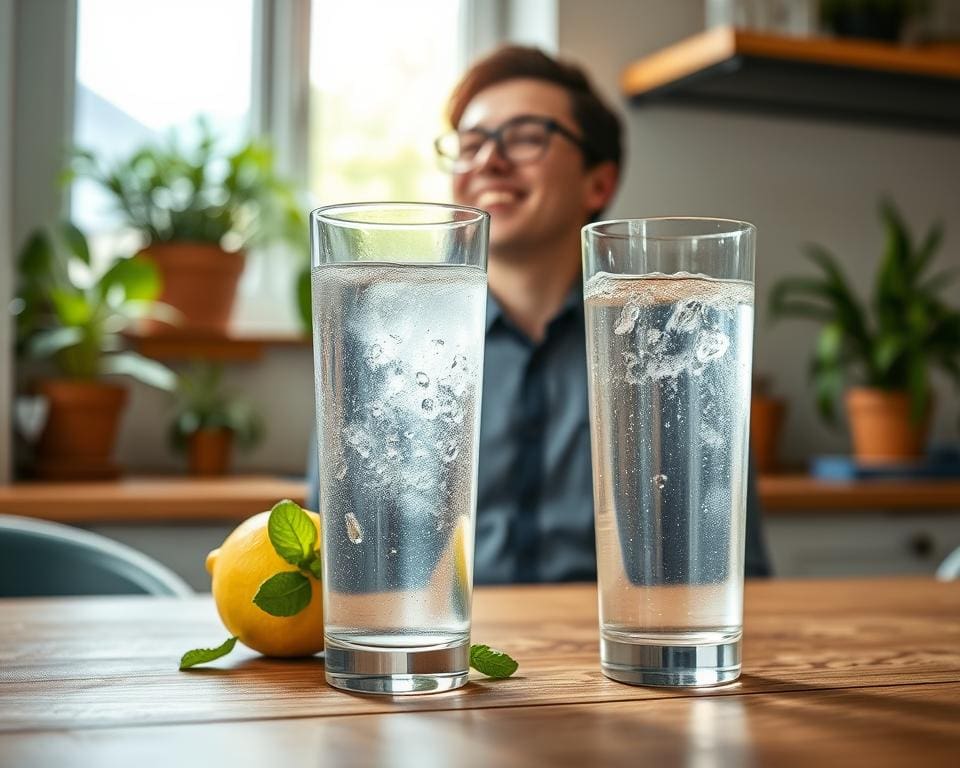

Staying properly hydrated is the foundation of good health and calm living. The importance of hydration goes beyond simply quenching thirst: water benefits include maintaining blood volume, regulating body temperature and helping nutrient transport and waste removal through the kidneys. Public Health England and NHS guidance suggest around 6–8 glasses (1.2–2 litres) a day for most adults, though needs vary with activity, climate and health conditions.
At a cellular level, water keeps cells turgid and supports osmoregulation. Electrolytes such as sodium and potassium help balance fluids across membranes, enabling muscles and nerves to function well. This physiological basis explains why hydration UK campaigns emphasise regular intake across the day, not just during exercise.
Good hydration also underpins relaxation and self-care. When you drink enough water, your body recovers from stress more quickly and you are less likely to be distracted by headaches, dry mouth or fatigue. The link between hydration and restful free time means that water is as important to relaxation as it is to physical health.
Authoritative sources, including NHS guidance and the British Nutrition Foundation, outline the broad water benefits for body and mind. Peer-reviewed studies further connect mild dehydration with declines in mood and cognitive performance, reinforcing why is drinking water important to everyday wellbeing.
Certain groups need tailored advice: pregnant or breastfeeding women, older adults and people with kidney disease or heart failure should consult their GP before changing fluid habits. The next sections will explore practical ways to create relaxing free time tied to hydration, health benefits, workplace effects, strategies to drink enough water and product suggestions for a serene self-care routine.
How can you create relaxing free time?
Creating relaxing free time begins with small, intentional choices that invite calm. A simple sipping habit can anchor the mind, turn idle minutes into mindful pauses and make relaxation feel earned. Use easy cues in your own space to build a dependable rhythm that supports rest and renewal.
Linking hydration to relaxation routines
Integrate sipping rituals into reading, meditation or a warm bath to slow breathing and centre attention. The sensory action of drinking prompts the body to shift towards rest. Pair warm camomile or lemon balm, or room-temperature water, with a short breathing exercise to amplify parasympathetic activation.
Research on mindfulness shows that small, repeated rituals increase perceived relaxation and help habit formation. Treat each sip as a gentle anchor: it steadies the breath, tightens focus on the present and reinforces a lasting relaxation routine hydration practice.
Practical tips for scheduling water breaks during downtime
Set hourly micro-breaks of five minutes in the afternoon for quiet sipping and gentle stretches. Use pre- and post-activity cues — drink before a bath and after a yoga session — to weave water breaks into existing habits. Keep volumes modest before bed to avoid nocturnal awakenings; prefer steady sipping through the day.
Place environmental prompts where you relax: a jug by your favourite chair, a glass on the bedside table or a carafe in the living room. These simple changes make water breaks feel natural, not forced, and offer an easy path to how to create relaxing free time.
Product suggestions that support peaceful moments
Choose reusable glass or stainless-steel bottles for neutral taste. Brands such as Chilly’s and Klean Kanteen are widely available in the UK and favour sustainable design. Fruit infusers and pitchers — Kilner infusion bottles or Joseph Joseph infuser jugs — elevate flavoured water without added sugar, making quiet moments more pleasurable.
Insulated mugs from KeepCup or Stanley keep calming beverages warm during a wind-down. Gentle reminder tools work well: physical hourglass timers for mindful pauses and apps like WaterMinder or HidrateSpark for soft nudges. Look for BPA-free materials, leakproof lids, insulation and easy-clean designs when shopping for self-care hydration products.
Try two mini-routines to get started. For an evening unwind, pour warm camomile into an insulated mug, breathe for five minutes and sip slowly from a carafe on the side table. For weekend reading, prepare chilled infused water in a glass bottle, place it on a coaster and take ten-minute stretch breaks aligned with sips. These relaxing rituals UK-friendly ideas help make calm habitual and pleasurable.
Health benefits of staying well hydrated
Proper hydration underpins many everyday processes that keep the body functioning with ease. Below are concise, practical explanations of how water supports digestion, skin comfort, joints, thinking and immune resilience. The aim is to inspire mindful drinking rather than promise miracle cures.
Physical advantages
Water begins digestion by helping form saliva and gastric juices. Good fluid intake supports intestinal motility and helps prevent constipation, a point the NHS highlights when advising on digestive comfort. Regular sipping aids nutrient absorption and keeps food moving steadily through the gut.
Hydration skin benefits are subtle but real. While creams and dermatology treatments are essential for medical conditions, internal hydration helps maintain skin turgor and may reduce dryness. Well‑hydrated skin feels more comfortable and can show improved elasticity without replacing topical care.
Joints rely on synovial fluid for cushioning. Adequate fluid supports that lubrication, which can lower cramp risk and improve flexibility. This matters for older adults and people who exercise, as sustained hydration assists movement and reduces strain on cartilage.
Mental and cognitive benefits
Research shows that even mild fluid loss, around 1–2% of body weight, can impair short‑term memory, attention and reaction times. This highlights the link between hydration cognitive function and everyday tasks that need sharp focus.
Hydration also influences mood. Studies connect low fluid levels with higher perceptions of stress, irritability and negative mood states. Small, regular drinks can support steadier mood and better emotional resilience.
Feeling tired often follows insufficient fluid intake. Hydration supports metabolic processes that generate energy, so keeping fluids up can reduce lethargy and lower the sense of exertion during activity.
Immune support and recovery
Hydration and immune system function interconnect through maintenance of mucous membranes, which act as a first line of defence. Good fluid balance helps lymphatic circulation and efficient transport of immune cells.
Rehydration plays a clear role in recovery from illness and exercise. It helps manage fever, replaces sweat losses and enables delivery of nutrients needed for tissue repair. For prolonged, high‑intensity exercise, expert guidance from the British Association of Sport and Exercise Sciences supports using electrolyte solutions when plain water is insufficient.
Evidence and sensible limits
There is strong evidence for many cognitive and physical effects of hydration, yet water is not a cure‑all. Claims that fluid intake alone will resolve chronic skin diseases or replace medical treatment are overstated. People with medical conditions affecting fluid balance should consult a clinician for tailored advice.
- Practical tip: sip regularly rather than gulping large amounts at once.
- Practical tip: include water with meals to aid digestion and absorption.
- Practical tip: choose electrolyte drinks for long, intense sessions of exercise.
How hydration affects daily energy and productivity
Keeping fluids steady through the day has a clear effect on energy and mental sharpness. Small drops in hydration change cardiovascular efficiency and nutrient delivery to muscles and the brain. That link helps explain why energy and water intake matter for steady stamina and fewer dizzy or tired spells.
Hydration’s role in sustained energy levels
Water supports blood volume and pressure, which keeps oxygen moving to tissues. When circulation works well, muscles and the brain get nutrients on time. This reduces sudden fatigue and helps people maintain steady output during long shifts or busy afternoons.
Regular sipping prevents mild dehydration that can raise heart rate and make lightheadedness more likely. Simple attention to energy and water intake is an easy, high-return habit for daily vigour.
Impact on concentration and workplace performance
Research links mild dehydration to lower performance on tasks needing attention, working memory and problem-solving. Those are the skills used in meetings, reports and complex decision-making.
Taking small drinks during long meetings or study sessions helps preserve mental clarity. Teams benefit when staff keep cognitive slips to a minimum and sustain focus through the day.
Simple workplace habits to maintain hydration
Practical workplace hydration tips make drinking unobtrusive. Keep a visible 500–750ml bottle at your desk and top it up at breaks. Make a micro-ritual of standing, stretching and taking a sip each hour.
- Place a jug and glasses in communal areas to encourage shared access.
- Drink before back-to-back meetings and schedule short micro-breaks in shared calendars.
- Use gentle reminder apps or a smart bottle like HidrateSpark to nudge you without disruption.
Framing hydration and productivity as part of workplace wellbeing aligns with UK employer initiatives. Small, consistent steps to stay hydrated at work yield better focus, fewer errors and a calmer workday.
Practical ways to increase your daily water intake
Small changes make a big difference when you want to learn how to increase water intake. Start with a simple baseline, set realistic daily goals and attach drinking to habits you already have. Try a morning glass on waking, 250–500ml with breakfast and sips between tasks. Aim for 250ml at lunch, 250ml mid-afternoon, 250ml with dinner and a small amount before bed if that suits you.
Adjust for the season, illness or exercise. In summer or during workouts increase amounts. In heated homes during winter pay attention to drier air and drink a little more. Track progress for a week and increase intake in small steps until the new level feels natural.
Creating a hydration routine that fits your lifestyle
- Establish a baseline by noting current daily volume over three days.
- Set achievable increments, for example add 250ml every two weeks.
- Link drinks to existing cues: after brushing your teeth, during your commute, with every meal.
- Use a visible bottle with time markers to gently pace drinking through the day.
Flavoured water, herbal teas and other hydrating options
Make drinking more appealing with low-calorie flavours. Infuse water with cucumber, citrus, berries or fresh herbs such as mint or rosemary. These flavoured water recipes keep sugar low and taste fresh.
Herbal teas like camomile, peppermint and rooibos are hydrating warm choices. Regular tea and coffee still count towards total fluids despite mild diuretic effects. Include hydrating foods too: soups, smoothies, watermelon, cucumber and oranges add useful fluid volume.
Avoid high-sugar soft drinks for everyday hydration. Reserve sports drinks for long, intense activity when electrolytes are needed.
Using products and gadgets to track and encourage drinking
Choose tools that suit your personality. Smart bottles such as HidrateSpark or Ozmo pair with apps to log intake. Simple visual reminders include bottles with time markers or 24-hour capacity scales. Popular reusable brands in the UK like Chilly’s and Klean Kanteen offer insulated bottles to keep drinks at the right temperature.
- Try apps such as WaterMinder or MyWater, or use Fitbit to log drinks and get gentle nudges.
- Look for hydration gadgets UK sellers that list battery life, app privacy and dishwasher-safe parts.
- Consider portable infusion bottles for on-the-go flavour and larger 1–2 litre bottles for desk use.
Test different flavours, bottle sizes and reminder rhythms until a hydration routine feels effortless. Personalise your plan and use the right tools to support lasting change.
Signs of dehydration and when to seek help
Recognising early warning signs of dehydration helps you act before problems worsen. Watch for simple changes in how you feel and how your body looks. These quick checks support wellbeing for you and those you care for.
Early dehydration symptoms include thirst, dry mouth, reduced urine output or darker urine and headache. You may feel light-headed, notice dry skin or reduced tear production. Mild cognitive changes, such as difficulty concentrating, can appear.
Symptoms vary between people. Older adults may not feel thirsty even when fluid levels fall, so do not rely on thirst alone when checking loved ones.
Severe dehydration indicators and first-aid steps
- Very low urine output or very dark, brown urine.
- Rapid heartbeat, very low blood pressure, confusion or fainting.
- Persistent vomiting or diarrhoea, sunken eyes, dry mucous membranes, inability to tolerate fluids.
For significant but non-life-threatening dehydration, encourage small, frequent sips of water or an oral rehydration solution. ORS sachets are available from UK pharmacies such as Boots. Rest in a cool place and monitor symptoms closely.
If someone shows confusion, fainting, rapid breathing or very low blood pressure, seek emergency help straight away — call 999 or attend A&E. For infants with reduced wet nappies, a sunken fontanelle or marked lethargy, call NHS 111 and arrange urgent assessment.
Who is at higher risk and tailored advice
Elderly people often have a reduced thirst sensation and may take medications such as diuretics that affect fluid balance. Carers should offer regular scheduled drinks, keep visible water bottles and check urine colour. Discuss personalised fluid plans with a GP when needed.
Children lose fluid quickly because of higher metabolic rates. Give small, frequent drinks and use oral rehydration solutions during illness. Avoid high-sugar drinks that can worsen diarrhoea.
Active people and athletes need a plan before, during and after exercise. For sessions lasting longer than 60–90 minutes, consider electrolyte replacement and follow guidance from the British Association of Sport and Exercise Sciences.
People with heart failure, kidney disease or endocrine disorders need tailored fluid advice. Consult healthcare professionals for personalised recommendations rather than applying general rules.
Practical signs monitoring
- Check urine colour — pale straw is ideal.
- Watch frequency — aim for urination every 3–4 hours when hydrated.
- For those with strict fluid plans, daily weight checks can help detect small losses under medical advice.
Understanding signs of dehydration and acting early protects health. Know dehydration symptoms, learn severe dehydration first aid and be aware of dehydration risk groups UK so you can support others with calm, confident care.
Review of top hydration products for a serene self-care routine
For anyone seeking the best hydration products UK, this roundup focuses on items that blend calm, function and sustainability. Chilly’s Bottle and Klean Kanteen Insulated TK stand out for commuters and day-long use, with strong thermal performance and stainless-steel durability that keep water at the right temperature and reduce single-use waste.
At-home rituals benefit from glass and infusion options. The Soma Glass Bottle with Natural Cork and Kilner Fruit Infusion Jug make gentle flavoured water simple and beautiful; they rank highly in best infusers UK for their design and ease of use. These choices suit slow, mindful sipping and support serene self-care products for evening rituals.
For those who prefer data or subtle nudges, the HidrateSpark PRO and Ozmo Active Smart Cup feature in any hydration gadgets review. They track intake without being intrusive, while water bottles with time markers offer a low-tech visual cue that works equally well. Pair smart reminders with an hourglass or soft-glow timer to keep routines peaceful.
Include a KeepCup Thermal or Stanley Classic Trigger-Action Mug for hot herbal teas, and consider Dioralyte or Nuun for electrolyte support when needed. When buying, compare by use-case, check dishwasher safety and BPA-free materials, and shop at John Lewis, Boots or Amazon UK for availability. Choose one product and one small routine change this week to turn hydration into a quiet, restorative habit that boosts energy and mood.