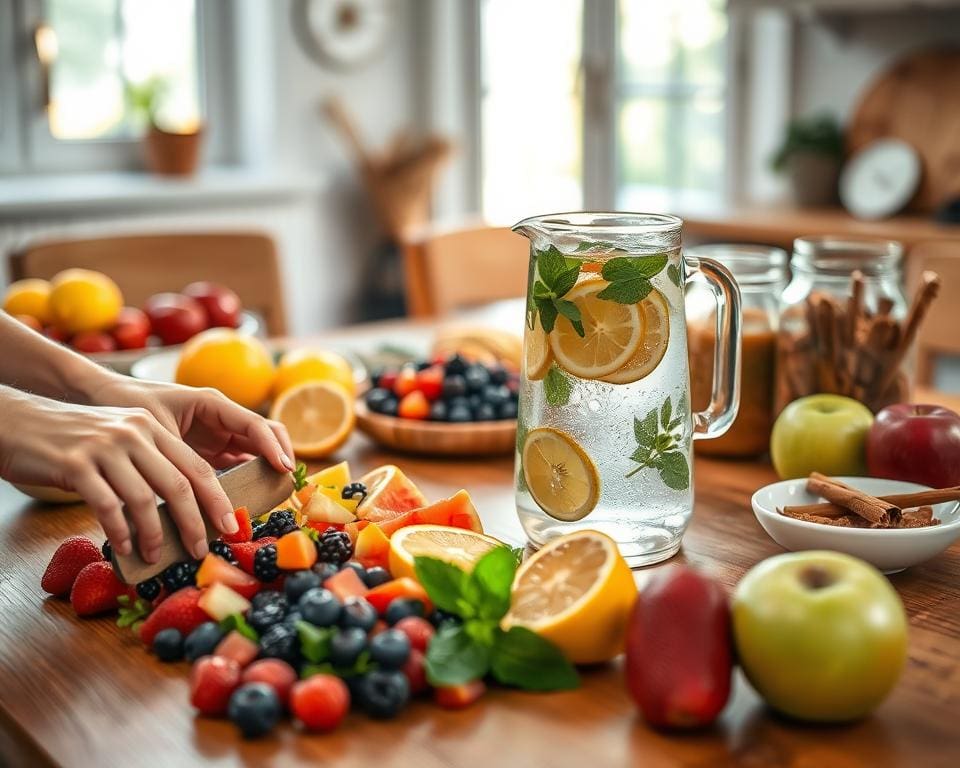

This short guide sets out a gentle, evidence-informed path to reduce sugar intake naturally. It treats sugar-free living as a form of self-care rather than punishment, aimed at UK adults who want practical steps and product ideas to make a lower sugar diet UK realistic and enjoyable.
The health case is clear: NHS advice recommends limiting free sugars to no more than 30g per day for adults, and the World Health Organization highlights reduced sugar for better weight control, dental health and lower metabolic risk. Excess sugar is linked to type 2 diabetes, obesity and dental caries, so cutting added sugar supports long-term wellbeing.
Your journey here will be gradual and sustainable. Expect tips on natural sugar reduction, achievable habit changes and sensible swaps rather than quick fixes. The tone is empowering: small wins, reliable tools and tasty alternatives help you keep momentum.
What follows is a practical roadmap. First we explore modern self-care and how sugar reduction fits emotional wellbeing. Then you’ll find swaps for meals, label-reading skills, mindful eating techniques, recipe adaptations, lifestyle supports and recommended products to help you maintain a lower sugar diet UK.
What does modern self-care involve?
Modern self-care treats wellbeing as a whole. It blends physical health, mental balance, social connection and intentional habits. This approach rejects quick consumer fixes and favours small, sustainable changes that build confidence and calm.
Connecting sugar reduction to emotional wellbeing
Refined sugar can drive rapid blood glucose swings that leave you tired and irritable. Cutting back helps steady energy and lift mood across the day.
Emotional eating often appears when stress or boredom rise. Keeping a simple mood–food diary can reveal triggers and create space for change.
Swap an automatic sweet snack for a short walk, deep breathing or a call to a friend. Those choices build agency and improve emotional wellbeing and sugar patterns.
Each small success in reducing added sugar boosts self‑esteem. That sense of progress strengthens a self‑care identity and supports long-term change.
Daily rituals that support low-sugar living
Start mornings with protein-rich options such as eggs, Greek yoghurt or porridge with seeds. A filling breakfast reduces cravings later.
Hydrate on waking and schedule snacks like nuts or fruit with nut butter. Planning meals and packing lunches limits impulse purchases.
Evening routines help too. A calming cup of herbal tea, a small portion of fruit or natural yoghurt can replace sugary desserts and curb late-night snacking.
Balancing pleasure and health in self-care routines
Remove strict rules and keep treats as part of life. A planned treat—one square of high-quality dark chocolate or a favourite dessert shared with a friend—satisfies desire without overindulgence.
Adopt compassionate restraint: choose mindfully rather than punish yourself for choices. This habit makes changes easier to sustain.
Premium dark chocolate (70%+ cacao), naturally flavoured herbal teas and flavoured sparkling waters give pleasure with less sugar. These options will appear again in product recommendations for mindful self-care UK readers.
Practical swaps for cutting added sugars in meals
Small, deliberate swaps make it easier to cut added sugar without losing pleasure. Start by rethinking typical morning choices and grab-and-go treats. Swap a sweetened habit for a protein-led or wholegrain alternative to steady energy and reduce cravings through the day.
Replacing sweetened breakfast options
Many popular UK breakfasts hide lots of sugar: flavoured yoghurts, supermarket granolas, sugary cereals and pastries. Choose plain Fage Greek yoghurt or Alpro unsweetened alternatives and add fresh berries with a sprinkle of toasted oats for texture. Marks & Spencer porridge pots have lower-sugar variants that work well when you need convenience.
Porridge made with rolled oats, a pinch of cinnamon and chopped apple or a few raisins gives fibre and warmth without excess sweetness. For a savoury, protein-led start try scrambled eggs on wholegrain toast or shakshuka; these options reduce morning sugar spikes and keep you fuller for longer. These breakfast swaps help you cut added sugar while keeping meals satisfying.
Natural sweeteners and how to use them sparingly
Natural sweeteners such as honey, maple syrup and date purée can add flavour but remain sugars. Use them with restraint. Measure rather than drizzle to control portions and remember a teaspoon goes a long way.
Date purée adds fibre and moisture in baking; Meridian date syrup works well when recipes are adjusted for extra liquid. Madhava organic maple syrup offers a distinct flavour for porridge or yoghurt. Low-calorie options like Splenda or stevia blends can reduce energy intake, but read ingredients carefully before buying.
Enhance flavour with vanilla extract, ground cinnamon or citrus zest to reduce the perceived need for sweetness. Diluting stronger flavours lets you enjoy treats with less added sugar and keeps natural sweeteners as occasional accents.
Low-sugar snack alternatives for busy days
Plan portable options so you avoid impulse buys in supermarket aisles. Batch-portion mixed nuts, seed mixes or oatcakes with hummus into small containers for a ready supply of healthy snacks UK shoppers can rely on.
Fresh fruit such as apples, pears and bananas offer natural energy when needed; pair them with a protein like peanut butter for balance. Hard-boiled eggs, edamame or plain rice cakes with nut butter are filling without excess sugar.
- Graze nut pots and savoury options suit quick breaks.
- Nakd bars and Trek protein bars can work, but check fruit and sugar content.
- KIND bars have lower-sugar types; read labels to pick the right one.
Keep a few portions in your work bag and at home. These simple shifts to low-sugar breakfasts and snacks make it easier to cut added sugar and sustain healthier habits over time.
Reading labels and spotting hidden sugars
Learning to read packaging gives you power over hidden sugars in everyday foods. A quick look at the ingredients list and nutrition table reveals surprises in sauces, breads and ready meals. Start simple and build a steady habit when reading food labels UK so you make confident choices.
The first step is spotting common sugar names. Manufacturers disguise sweetness with many terms. Knowing these sugar names helps you spot added sugar even when a product claims “no added sugar” or “reduced sugar.”
- sucrose
- glucose
- fructose
- dextrose
- maltose
- invert sugar
- maltodextrin
- corn syrup
- golden syrup
- barley malt
- rice syrup
- fruit juice concentrate
When you compare products supermarket shopping, use sugar per 100g as a consistent yardstick. That figure shows concentration of sugar and makes like-for-like comparison quick. Pair this with fibre and protein values to favour more filling options.
Smartphone tools speed up comparisons. The NHS Food Scanner app and many retailer apps scan barcodes and show sugar per serving and per 100g instantly. Use these apps to compare products supermarket aisles faster and avoid guesswork.
Understanding sugar per serving prevents hidden surprises. Labels show both per 100g and per serving. If a product lists 25g sugar per 100g and your portion is 40g, the serving contains 10g sugar. Simple maths keeps your tracking accurate.
Follow NHS guidance and aim for no more than 30g free sugars a day for adults. Free sugars exclude the natural sugars in whole fruit and milk, so subtract those when you calculate totals. Watch for tiny serving sizes on labels; they can make sugar per serving seem lower than it really is.
Mindful eating strategies to reduce sugar cravings
Mindful eating means paying full attention to the act of eating — the taste, texture and bodily signals that guide choice. Practising this approach helps you recognise hunger vs cravings and makes it easier to break sweet habits without harsh rules. Small steps build lasting change.
Techniques to tell true hunger from a craving
- Use a simple hunger scale from 1–10 before reaching for food. Genuine hunger rises slowly; cravings arrive quickly and demand a specific flavour, such as chocolate.
- Try a 10–15 minute pause when a craving strikes. If hunger persists, choose a balanced snack with protein. Keep a short log of time, mood and trigger to spot patterns.
- Drink a large glass of water first. Thirst or low blood sugar can masquerade as desire for sweets.
Pacing, portion awareness and slow eating strategies
- Put cutlery down between bites and take sips of water. These actions slow intake and help the brain register fullness.
- Chew deliberately, aiming for 20–30 chews per mouthful to enhance satiety signals.
- Use smaller plates and pre-portion snacks into reusable pots or pre-measured bars to limit portion creep.
Using mindfulness to break habitual sweet-snacking
- Map your cue–routine–reward cycle. If the cue is an afternoon slump, plan a short walk or a cup of herbal tea instead of reaching for biscuits.
- Savour a small piece of dark chocolate slowly when you need a treat. This mindful substitution can reduce sugar while keeping pleasure.
- Integrate brief breathing exercises or a five-minute meditation with apps such as Headspace or Calm to lower stress and reduce sugar cravings.
These practical steps bolster mindful eating and slow eating strategies. They help you recognise hunger vs cravings, reduce sugar cravings over time and break sweet habits in a supportive, realistic way.
Adapting recipes and cooking techniques to lower sugar
Small shifts in the kitchen can make low-sugar recipes feel joyful rather than restrictive. Focus on real ingredients and simple swaps that lift flavour and keep texture intact.
Cooking with whole ingredients and natural flavour boosters
Choose whole grains, pulses and seasonal vegetables as the plate foundation. Roast root vegetables with cumin and orange zest to create depth without added sugar. Toss salads with lemon and smoked paprika rather than sweet dressings.
Use miso, tamari, sun-dried tomatoes and nutritional yeast to add umami and savoury weight. These flavour boosters make sweet finishes less necessary.
When a touch of sweetness is needed, cook fruit gently. Stewed apples with cinnamon replace syrup in yoghurts and porridge while keeping fibre and texture.
Recipe modifications for desserts and baking
Start by reducing sugar in recipes by 25%–50% and test the result. Increase spice, a pinch of salt and a little lemon zest to heighten perceived sweetness without more sugar.
Swap part of the sugar with mashed banana, unsweetened applesauce or date purée for moisture and fibre. Expect slightly different bake times and a denser crumb in some cases.
For chocolate treats, choose 70% cocoa or higher. Try yoghurt-based mousses or fruit compotes as toppings instead of custard with added sugar. Use quality extracts such as organic vanilla or concentrated drops like FlavDrops to amplify taste while cutting sugar.
Meal-prep ideas that keep sugar in check throughout the week
Batch-cook protein-rich dishes such as chicken tray bakes, lentil stews and chickpea salads to avoid turn-to convenience foods that hide added sugars. Label portions and store in airtight containers for quick, balanced meals.
Create snack boxes with cheese, grapes, oatcakes and almonds for portable energy. Make a jar of homemade low-sugar granola using oats, seeds and a small spoonful of honey if you want a hint of sweetness.
Use tools that simplify whole-food cooking: a slow cooker for set-and-forget stews, a spiraliser for vegetable noodles and a blender for smoothies that rely on fruit and yoghurt rather than added syrups.
Lifestyle changes that support long-term sugar reduction
Small, steady habits make the biggest difference when aiming for lifestyle changes sugar reduction. Start with simple routines that protect sleep, manage stress and create a home and work setup that nudges healthier choices. The ideas below are practical, evidence-based and easy to adapt to a busy UK life.
Sleep, stress management and their impact on cravings
Poor sleep alters hunger hormones. When ghrelin rises and leptin falls, you may crave sugary, energy-dense snacks more often. Aim for 7–9 hours per night for most adults to rebalance appetite signals and cut down on impulse treats.
Chronic stress drives cortisol higher and can push you toward sweet, high-fat comfort foods. Try progressive muscle relaxation, short mindfulness sessions and keeping regular social contact to ease stress. Hobbies such as gardening or painting offer distraction and pleasure without food.
Practical sleep hygiene helps curb late-night snacking. Keep a consistent bedtime, limit screens an hour before bed, make the bedroom dark and cool, and reduce caffeine after midday. These steps support sleep and reduce the cycle of sleep and cravings.
Exercise routines that help regulate appetite
Regular aerobic activity and resistance training improve insulin sensitivity and support exercise appetite regulation. Follow the UK Chief Medical Officers’ guidance: 150 minutes of moderate activity weekly plus two strength sessions. This mix helps steady blood sugar and hunger cues.
Exercise lifts mood and cuts emotional eating. Short home workouts, such as a 15–20 minute HIIT session, and daily walks are effective when time is tight. Hydration before and after exercise prevents thirst being mistaken for hunger, reducing unnecessary snacking.
Building supportive environments at home and work
At home, keep sugary treats out of sight and stock healthy staples like oats, plain yogurt and fresh fruit. Create routine snack stations with measured portions and label leftovers to prevent grab-and-go sweet choices.
At work, bring prepared lunches and keep snacks in a drawer to avoid vending machines. Suggest healthy communal options for team meetings such as fruit platters or mixed nuts. Workplace wellness programmes and NHS workplace health resources can offer extra support.
Share goals with friends and family so social situations feel less challenging. Plan gatherings around activities like walks or potlucks with low-sugar dishes. Apps such as MyFitnessPal and NHS Food Scanner help track habits and reinforce a supportive environment low sugar.
Recommended products and tools for a low-sugar lifestyle
A practical starter kit makes cutting sugar feel achievable. For kitchen gadgets for healthy eating, choose a reliable blender such as NutriBullet or Philips and a slow cooker like Crock-Pot to batch-cook soups and stews. A spiraliser helps turn courgette and carrot into noodle alternatives, while digital kitchen scales and measuring spoons ensure accurate portions. These sugar reduction tools reduce reliance on ready meals and help control hidden sugars.
Stock the pantry with trusted low-sugar products UK shoppers can find easily. Meridian natural peanut or almond butters contain no added sugar, Biona organic oats and supermarket dried lentils or chickpeas offer wholegrain, filling options, and Meridian date syrup or Wilkinson & Sons maple syrup provide natural sweetness for recipes. For breakfast, reach for Alpro unsweetened plant-based yoghurts or plain Fage Total 0% Greek yoghurt and lower-sugar muesli from Eat Natural to keep mornings balanced.
For snacking and on-the-go options, compare brands rather than assume labels. Nakd bars and selected Graze snack pots offer no added sugar formulations, though wholefruit bars still contain fruit sugars. Look at Grenade or Trek if you want lower-sugar protein bars, and check KIND variants carefully. Use apps such as the NHS Food Scanner, MyFitnessPal or Cronometer to evaluate products and track intake—a simple habit that makes the best products to reduce sugar far clearer.
To begin, assemble a small, affordable kit: a digital kitchen scale, a sturdy blender, a tub of plain Greek yoghurt, a jar of Meridian nut butter and a low-sugar snack box from Graze or a homemade mix. Source items from Tesco, Sainsbury’s, Waitrose, Aldi, Lidl or Holland & Barrett depending on budget. These choices and kitchen gadgets for healthy eating work together as effective sugar reduction tools, helping you make steady, sustainable changes.